

Volume 12, Issue 1 (2026)
Pharm Biomed Res 2026, 12(1): 37-48 |
Back to browse issues page


Download citation:
BibTeX | RIS | EndNote | Medlars | ProCite | Reference Manager | RefWorks
Send citation to:


BibTeX | RIS | EndNote | Medlars | ProCite | Reference Manager | RefWorks
Send citation to:
Rahamouz-Haghighi S. Antibacterial Activity and Phytochemical Analysis of Plantago lanceolata Root Petroleum Ether and Aqueous Extracts. Pharm Biomed Res 2026; 12 (1) :37-48
URL: http://pbr.mazums.ac.ir/article-1-696-en.html
URL: http://pbr.mazums.ac.ir/article-1-696-en.html


Agricultural Research, Education and Extension Organization (AREEO), Mashhad, Iran. & Department of Plant Production and Genetics, Faculty of Agriculture, University of Zanjan, Zanjan, Iran.
Keywords: Disc diffusion method, Gas chromatography-mass spectrometry (GC-MS), Microtiter broth dilution, Minimum inhibitory concentrations (MICs), Plantago lanceolata, Ribwort plantain
Full-Text [PDF 1601 kb]
(222 Downloads)
| Abstract (HTML) (708 Views)
References
Full-Text: (22 Views)
Introduction
Plantago lanceolata L., commonly known as Ribwort plantain, is a widespread species within the Plantago genus of the Plantaginaceae family [1]. Although primarily a perennial, it can sometimes be classified as annual or biennial. This plant thrives in temperate regions, commonly growing in meadows, pastures, green spaces, and along roadsides [2]. Traditionally, various parts of P. lanceolata have been used ethnomedicinally; for example, the whole plant has been used to prepare eye lotions [3]. The aerial parts of the plant have wound-healing, anti-asthmatic, antibacterial, and anti-inflammatory properties [4]. Its leaves serve as an expectorant and are used to alleviate abdominal pain and treat inflamed wounds [5, 6]. The seeds of P. lanceolata were traditionally used in treating parasitic worms, and the plant’s mucilage, as a laxative, reduces membrane irritation [3]. In addition to its medicinal properties, P. lanceolata is utilized in various industries as a food additive, in cosmetic formulations, as an ingredient in insecticides, and for environmental applications, such as the removal of heavy metals from contaminated sites. The therapeutic potential of this species is largely attributed to the rich secondary metabolite content of its leaves, roots, and bark [7]. These valuable secondary metabolites include acteoside, flavonoids, phenylpropanoid glycosides, phenylcarboxylic acids, silica, mucilage, tannins, iridoid glycosides, zinc, and potassium salts. Among the iridoid glycosides, aucubin and catalpol are particularly prominent [8]. These compounds are recognized as chemotaxonomic markers, extensively studied across multiple plant organs [9]. Previous studies have evaluated the biocompatibility and toxicity of extracts derived from different parts of P. lanceolata [10, 11]. Further research has focused on the biological activities of P. lanceolata root extracts [12]. The study of medicinal plants’ chemical properties and biological potential is particularly crucial. The therapeutic effects of P. lanceolata are closely linked to its bioactive compounds [1]. The cost-effectiveness of petroleum ether compared to other organic solvents makes it an appealing choice as a non-polar extraction solvent [13]. It is widely utilized to extract non-polar substances such as vegetable and essential oils. P. lanceolata is known for its non-aromatic nature and low yield of essential oils. Previously, the aerial parts of this plant were subjected to hydrodistillation using a Clevenger apparatus, with the essential oils collected in n-pentane for further analysis [14]. Petroleum ether was identified as an effective solvent for extracting non-volatile lipophilic compounds from roots. On the other hand, aqueous extraction, using water as the solvent, is commonly applied across medicine, chemistry, and biology to isolate various compounds. This study aimed to identify the bioactive compounds and assess the antibacterial efficacy of P. lanceolata root extracts. Specifically, it aimed to evaluate the antibacterial properties of petroleum ether and aqueous extracts after fractionation.
Materials and Methods
Plant material
P. lanceolata was collected from the collection site (36°41’15.5”N, 48°24’02.2”E) at the University of Zanjan, Iran, and was verified by the Department of Botany, University of Zanjan. The voucher specimen number 14253 was recorded for P. lanceolata. The root organ of the plant was cut and shade-dried at room temperature for 7-10 days.
Extraction
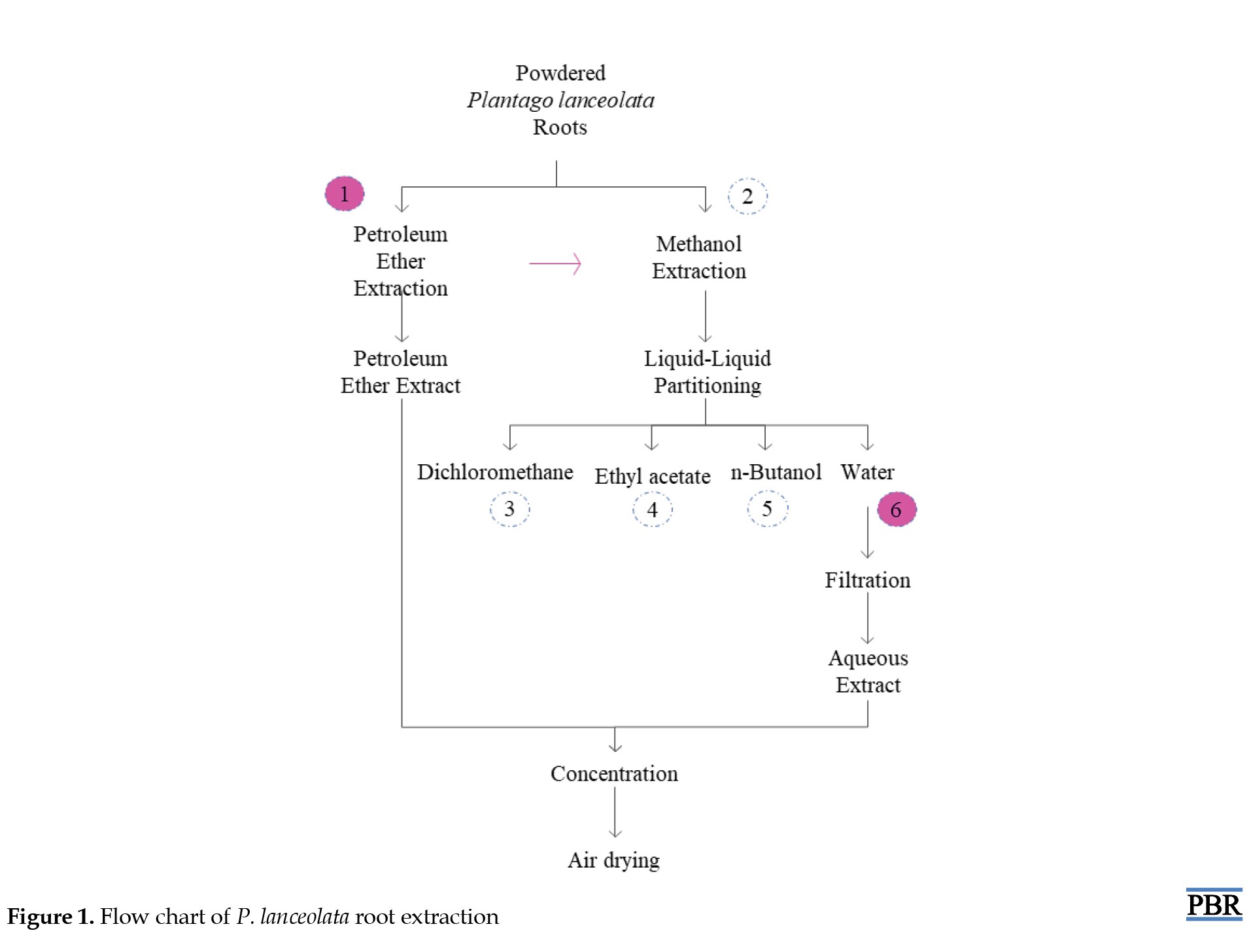
A total of 250 g of powdered P. lanceolata roots underwent sequential extraction using petroleum ether and methanol via a reflux apparatus, with each solvent applied for 16 h. The methanol extract was further partitioned through liquid-liquid extraction with dichloromethane, ethyl acetate, n-butanol, and water [15]. The aqueous phase was filtered through Whatman No. 1 filter paper to remove fibrous plant debris (Figure 1).
Plantago lanceolata L., commonly known as Ribwort plantain, is a widespread species within the Plantago genus of the Plantaginaceae family [1]. Although primarily a perennial, it can sometimes be classified as annual or biennial. This plant thrives in temperate regions, commonly growing in meadows, pastures, green spaces, and along roadsides [2]. Traditionally, various parts of P. lanceolata have been used ethnomedicinally; for example, the whole plant has been used to prepare eye lotions [3]. The aerial parts of the plant have wound-healing, anti-asthmatic, antibacterial, and anti-inflammatory properties [4]. Its leaves serve as an expectorant and are used to alleviate abdominal pain and treat inflamed wounds [5, 6]. The seeds of P. lanceolata were traditionally used in treating parasitic worms, and the plant’s mucilage, as a laxative, reduces membrane irritation [3]. In addition to its medicinal properties, P. lanceolata is utilized in various industries as a food additive, in cosmetic formulations, as an ingredient in insecticides, and for environmental applications, such as the removal of heavy metals from contaminated sites. The therapeutic potential of this species is largely attributed to the rich secondary metabolite content of its leaves, roots, and bark [7]. These valuable secondary metabolites include acteoside, flavonoids, phenylpropanoid glycosides, phenylcarboxylic acids, silica, mucilage, tannins, iridoid glycosides, zinc, and potassium salts. Among the iridoid glycosides, aucubin and catalpol are particularly prominent [8]. These compounds are recognized as chemotaxonomic markers, extensively studied across multiple plant organs [9]. Previous studies have evaluated the biocompatibility and toxicity of extracts derived from different parts of P. lanceolata [10, 11]. Further research has focused on the biological activities of P. lanceolata root extracts [12]. The study of medicinal plants’ chemical properties and biological potential is particularly crucial. The therapeutic effects of P. lanceolata are closely linked to its bioactive compounds [1]. The cost-effectiveness of petroleum ether compared to other organic solvents makes it an appealing choice as a non-polar extraction solvent [13]. It is widely utilized to extract non-polar substances such as vegetable and essential oils. P. lanceolata is known for its non-aromatic nature and low yield of essential oils. Previously, the aerial parts of this plant were subjected to hydrodistillation using a Clevenger apparatus, with the essential oils collected in n-pentane for further analysis [14]. Petroleum ether was identified as an effective solvent for extracting non-volatile lipophilic compounds from roots. On the other hand, aqueous extraction, using water as the solvent, is commonly applied across medicine, chemistry, and biology to isolate various compounds. This study aimed to identify the bioactive compounds and assess the antibacterial efficacy of P. lanceolata root extracts. Specifically, it aimed to evaluate the antibacterial properties of petroleum ether and aqueous extracts after fractionation.
Materials and Methods
Plant material
P. lanceolata was collected from the collection site (36°41’15.5”N, 48°24’02.2”E) at the University of Zanjan, Iran, and was verified by the Department of Botany, University of Zanjan. The voucher specimen number 14253 was recorded for P. lanceolata. The root organ of the plant was cut and shade-dried at room temperature for 7-10 days.
Extraction
A total of 250 g of powdered P. lanceolata roots underwent sequential extraction using petroleum ether and methanol via a reflux apparatus, with each solvent applied for 16 h. The methanol extract was further partitioned through liquid-liquid extraction with dichloromethane, ethyl acetate, n-butanol, and water [15]. The aqueous phase was filtered through Whatman No. 1 filter paper to remove fibrous plant debris (Figure 1).
Only petroleum ether and aqueous extracts were selected for this study, as previously reported [12] had analyzed other fractions. The final extracts were concentrated under reduced pressure using a rotary evaporator and air-dried at ambient temperature for one week.
Microorganisms culture
Gram-positive Bacillus cereus (ATCC 11778) and gram-negative Salmonella paratyphi (ATCC 5702), and Proteus vulgaris (PTCC 1182) strains were obtained from the Department of Biotechnology, School of Pharmacy, Zanjan University of Medical Sciences, Zanjan, Iran. These bacterial cultures were grown in Mueller-Hinton broth and incubated at 37 °C for 18 h before experimentation.
Antibacterial activity assay
The disc diffusion assay was used to estimate the antibacterial potential of P. lanceolata roots, according to the National Committee for Clinical Laboratory Standards [16]. To obtain a 100 mg/mL concentration, petroleum ether and aqueous extracts were dissolved in dimethyl sulfoxide (DMSO), and the discs were impregnated with 5 µL of each extract. Gentamicin at a 10 µg/mL concentration was used as the positive control, and DMSO was used as the negative control. In this regard, the turbidity of inocula was in accordance with 1.5×10⁸ CFU/mL, 0.5 McFarland standard [17]. The diameter of the inhibition zone (mm) was measured to estimate the antibacterial properties of the extracts. The Clinical and Laboratory Standards Institute (CLSI) guidelines were followed to determine the minimum inhibitory concentrations (MICs) by standard broth microdilution [18]. The root extracts were used at concentrations ranging from 1 to 4 mg/mL. MICs were determined as the lowest extract dose that did not exhibit visible growth in the well. The minimum bactericidal concentrations (MBCs) were evaluated by culturing 100 μL from each well on Mueller-Hinton agar plates and incubating at 37 °C for 24 h.
Gas chromatography-mass spectrometry (GC-MS) analysis
The petroleum ether and aqueous extracts of P. lanceolata root were analyzed by GC-MS. The conditions and temperature program are presented in Table 1, according to a previously described method [15].

Working solutions (5 mg/mL) were prepared by dissolving the dry extracts in HPLC-grade methanol. They were filtered using a sterile 0.22 μm filter before injection into the device.
Statistical analysis
All the experiments were performed in three replicates. The data were reported as Mean±SD. The Figures were designed using Excel software, version 2016.
Results
Antibacterial activity
The petroleum ether and aqueous extracts of P. lanceolata roots were tested individually against various bacterial strains. According to Table 2, these root extracts exhibited antibacterial activity against both gram-positive and gram-negative bacteria.
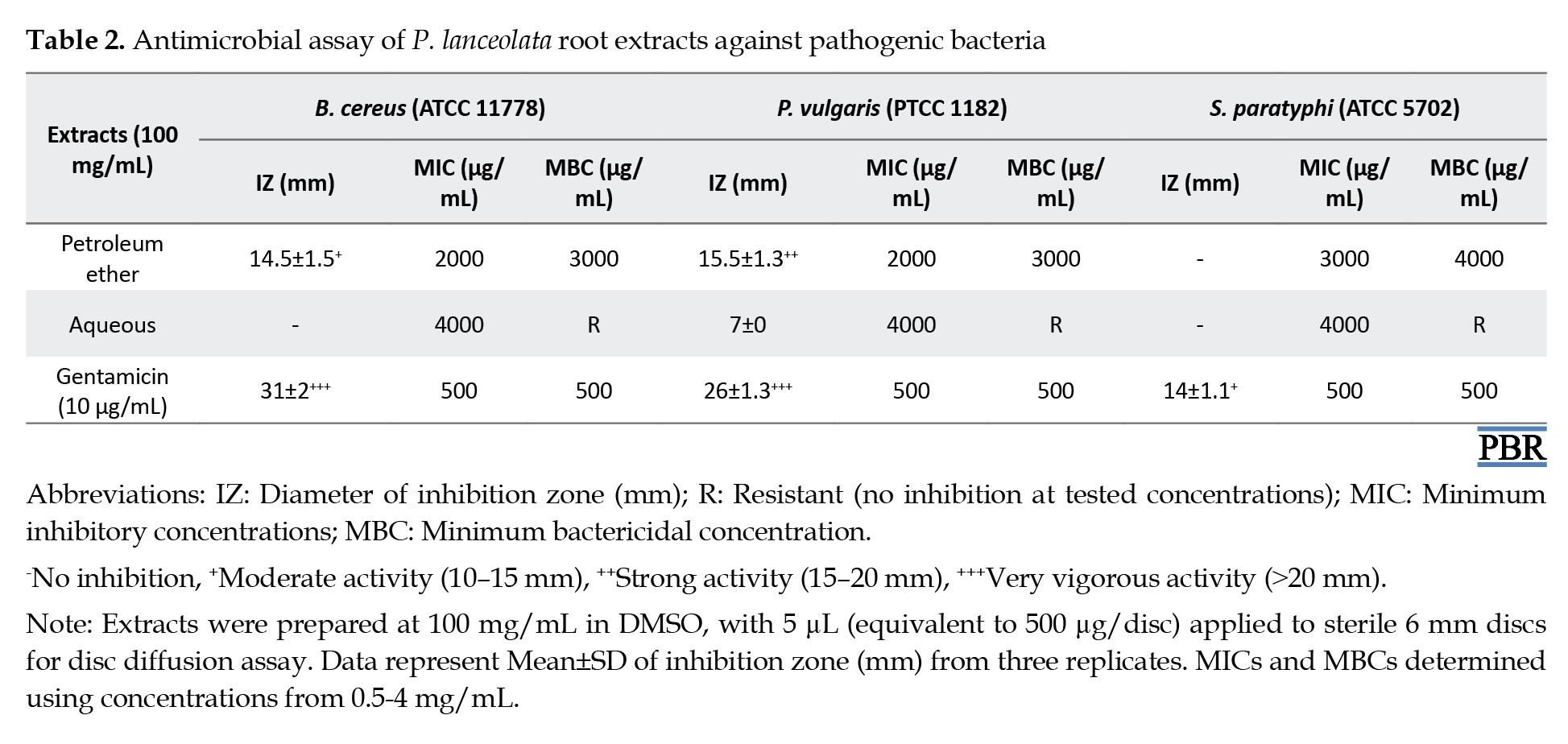
The petroleum ether extract demonstrated the highest antimicrobial effect, producing a 15.50 mm inhibition zone against P. vulgaris using the disc diffusion method. However, none of the extracts matched the antibacterial efficacy of the standard antibiotic gentamicin against the tested bacteria (Table 2). The petroleum ether root extract had the lowest MIC of 2 mg/mL against P. vulgaris and B. cereus. These results were further supported by MBC values, which were confirmed at 3 mg/mL (Table 2). In contrast, the aqueous extract exhibited higher MICs against the tested bacteria and was less effective than the petroleum ether extract. Additionally, MBCs for the aqueous extract were not determined within the 1-4 mg/mL concentration range.
Phytochemical screening using GC-MS
Figure 2 shows the chemical groups identified in the root extracts of P. lanceolata.
Microorganisms culture
Gram-positive Bacillus cereus (ATCC 11778) and gram-negative Salmonella paratyphi (ATCC 5702), and Proteus vulgaris (PTCC 1182) strains were obtained from the Department of Biotechnology, School of Pharmacy, Zanjan University of Medical Sciences, Zanjan, Iran. These bacterial cultures were grown in Mueller-Hinton broth and incubated at 37 °C for 18 h before experimentation.
Antibacterial activity assay
The disc diffusion assay was used to estimate the antibacterial potential of P. lanceolata roots, according to the National Committee for Clinical Laboratory Standards [16]. To obtain a 100 mg/mL concentration, petroleum ether and aqueous extracts were dissolved in dimethyl sulfoxide (DMSO), and the discs were impregnated with 5 µL of each extract. Gentamicin at a 10 µg/mL concentration was used as the positive control, and DMSO was used as the negative control. In this regard, the turbidity of inocula was in accordance with 1.5×10⁸ CFU/mL, 0.5 McFarland standard [17]. The diameter of the inhibition zone (mm) was measured to estimate the antibacterial properties of the extracts. The Clinical and Laboratory Standards Institute (CLSI) guidelines were followed to determine the minimum inhibitory concentrations (MICs) by standard broth microdilution [18]. The root extracts were used at concentrations ranging from 1 to 4 mg/mL. MICs were determined as the lowest extract dose that did not exhibit visible growth in the well. The minimum bactericidal concentrations (MBCs) were evaluated by culturing 100 μL from each well on Mueller-Hinton agar plates and incubating at 37 °C for 24 h.
Gas chromatography-mass spectrometry (GC-MS) analysis
The petroleum ether and aqueous extracts of P. lanceolata root were analyzed by GC-MS. The conditions and temperature program are presented in Table 1, according to a previously described method [15].
Working solutions (5 mg/mL) were prepared by dissolving the dry extracts in HPLC-grade methanol. They were filtered using a sterile 0.22 μm filter before injection into the device.
Statistical analysis
All the experiments were performed in three replicates. The data were reported as Mean±SD. The Figures were designed using Excel software, version 2016.
Results
Antibacterial activity
The petroleum ether and aqueous extracts of P. lanceolata roots were tested individually against various bacterial strains. According to Table 2, these root extracts exhibited antibacterial activity against both gram-positive and gram-negative bacteria.
The petroleum ether extract demonstrated the highest antimicrobial effect, producing a 15.50 mm inhibition zone against P. vulgaris using the disc diffusion method. However, none of the extracts matched the antibacterial efficacy of the standard antibiotic gentamicin against the tested bacteria (Table 2). The petroleum ether root extract had the lowest MIC of 2 mg/mL against P. vulgaris and B. cereus. These results were further supported by MBC values, which were confirmed at 3 mg/mL (Table 2). In contrast, the aqueous extract exhibited higher MICs against the tested bacteria and was less effective than the petroleum ether extract. Additionally, MBCs for the aqueous extract were not determined within the 1-4 mg/mL concentration range.
Phytochemical screening using GC-MS
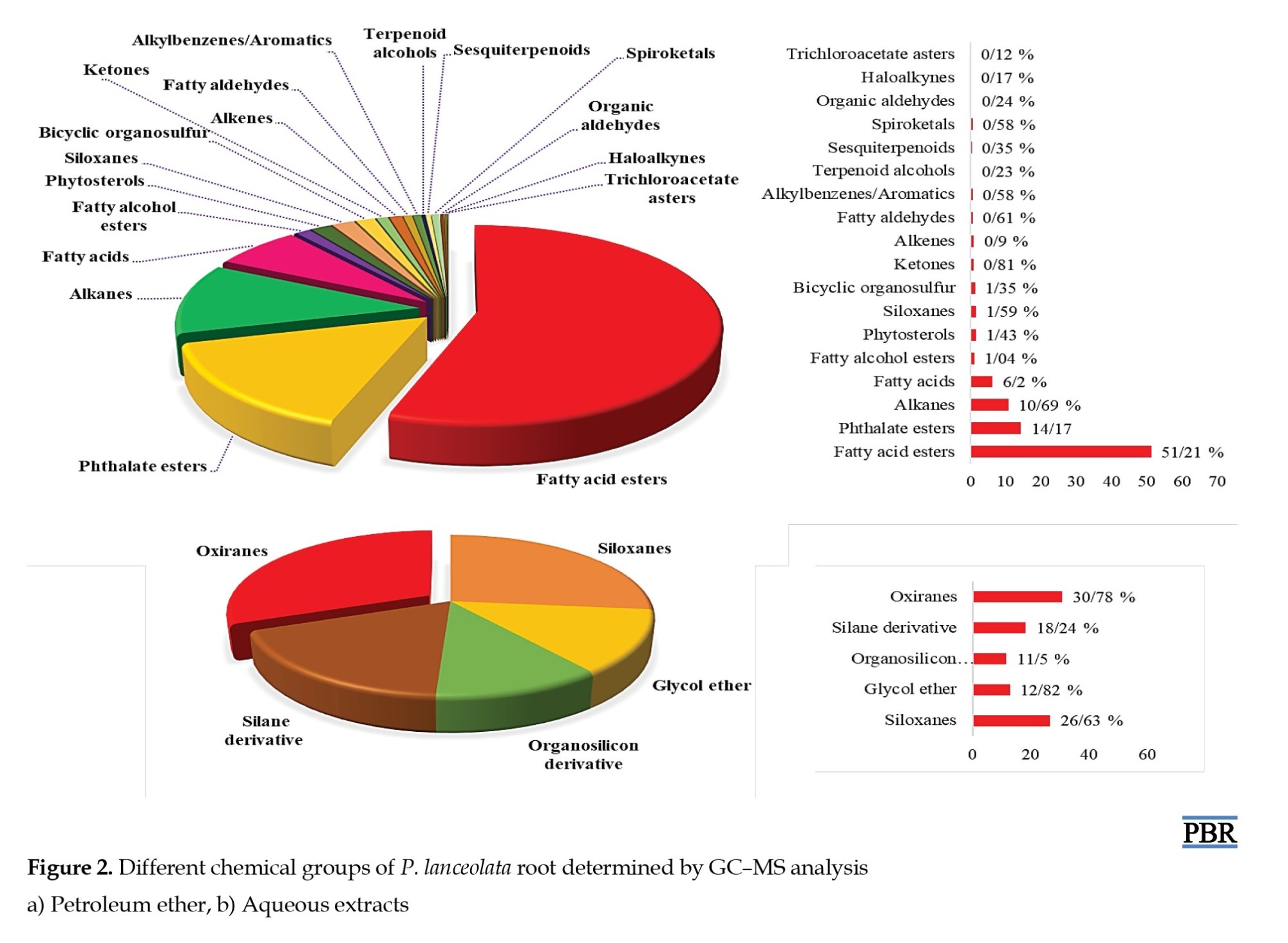
Figure 2 shows the chemical groups identified in the root extracts of P. lanceolata.
Tables 3 and 4 present detailed constituent profiles of these extracts.
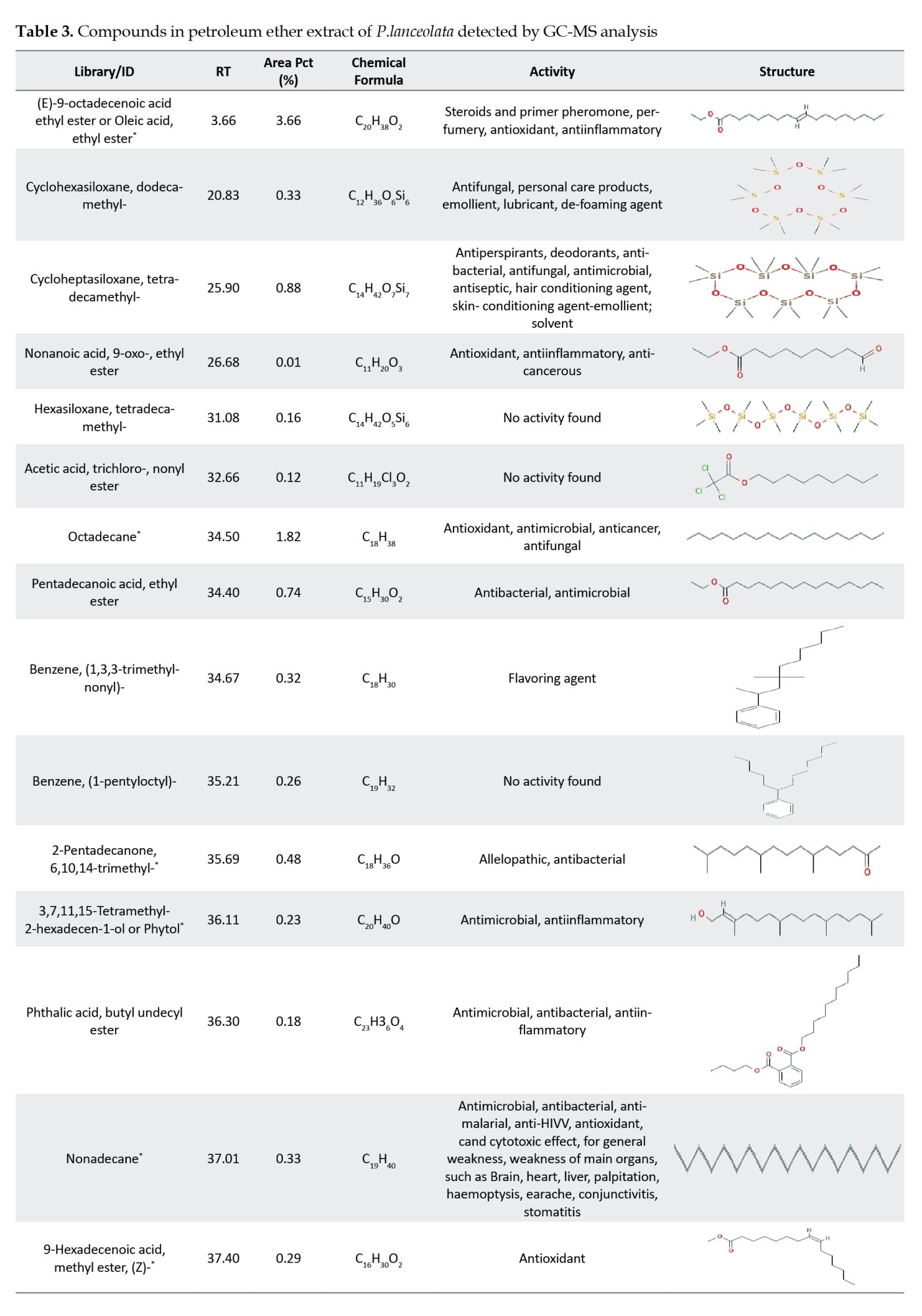


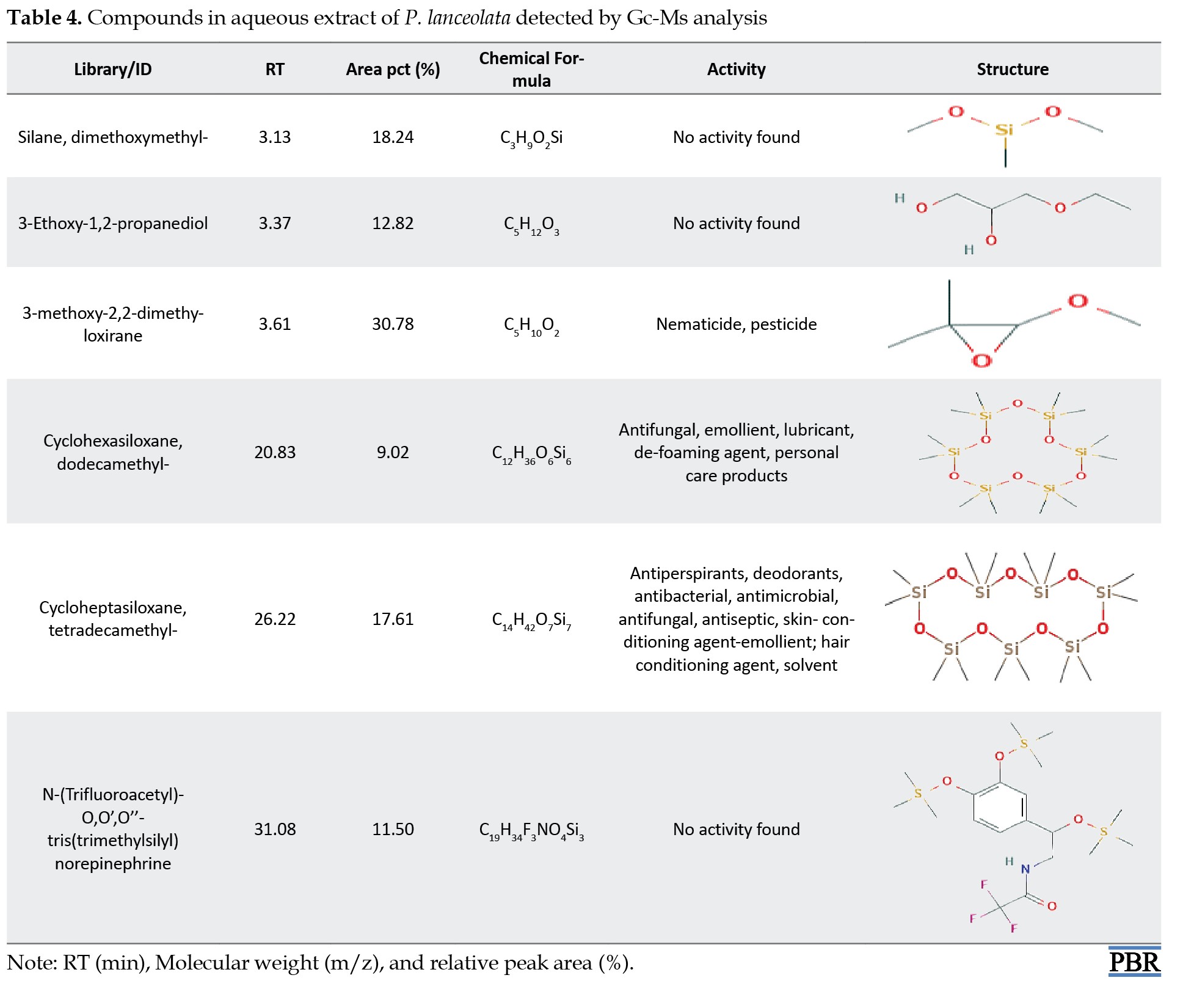
In the petroleum ether extract, fatty acids and esters were the dominant compounds, accounting for 57.57% of the total composition. The key components included hexadecanoic acid, ethyl ester (16.15%), palmitic acid, methyl ester (5.03%), and 9,12-Octadecadienoic acid, ethyl ester (4.72%). In contrast, the aqueous extract w::as char::acterized by a major peak of 3-methoxy-2,2-dimethyloxirane, comprising 30.78% of the extract.
Both petroleum ether and aqueous extracts contained siloxane compounds, specifically cycloheptasiloxane, tetradecamethyl-, and cyclohexasiloxane, dodecamethyl-, at varying concentrations. Notably, these compounds were more abundant in the aqueous extract (17.61% and 9.02%, respectively) compared to the petroleum ether extract (0.88% and 0.33%).
Discussion
P. lanceolata is a medicinal plant valued both traditionally and in modern medicine for its ability to address a wide range of serious health conditions. Researchers have consistently confirmed its biological activities, particularly its antibacterial properties. Various studies have documented different levels of antibacterial effectiveness of P. lanceolata extracts against pathogenic bacteria [15, 19]. Specifically, the antimicrobial activity of the aqueous extract against P. vulgaris has been described as weak or moderate [20]. Similarly, in the current study, the aqueous root extract demonstrated weaker antibacterial activity than the petroleum ether extract. Another study highlighted the potent antibacterial activity of the pure petroleum ether extract from P. lanceolata leaves against pathogenic bacteria [21]. Consistent with these findings, our present research shows that the petroleum ether extract of P. lanceolata roots exhibits significant inhibitory effects on the tested bacterial strains. Our previous study showed the antibacterial effect of the dichloromethane root extract of P. lanceolata against S. paratyphi at a concentration of 100 mg/mL [12]. However, the results of this study align well with earlier research, reinforcing the antibacterial efficacy of P. lanceolata extracts.
The root extracts of P. lanceolata exhibited distinct chemical profiles depending on the solvent used. The dichloromethane and ethyl acetate extracts were dominated by 1,2-Benzenedicarboxylic acid, mono (2-ethylhexyl) ester, constituting 60.64% and 60.93% of their compositions, respectively. Meanwhile, the butanol extract primarily contained 2-methyl-1-butanol (±)- (17.85%) [12]. Notably, these specific compounds were absent in the petroleum ether and aqueous root extracts analyzed in this study. Comparative analysis revealed similarities between the n-hexane leaf extract of Iraqi P. lanceolata, which contains hydrocarbons, fatty acids, steroids, and terpenoids [22], and the Iranian petroleum ether root extract, which contains some overlapping components. Additionally, the presence of siloxane derivatives (e.g. cycloheptasiloxane and cyclohexasiloxane) in extracts is likely an artifact of gas chromatography column bleeding rather than natural plant constituents [23].
The aqueous root extract of P. lanceolata predominantly contained 3-methoxy-2,2-dimethyloxirane (30.78%), a low-molecular-weight epoxide also identified via GC-MS in methanolic extracts of Cyperus alternifolius (4.29%) [24], ethanolic extracts of Carica papaya L. [25], and ethanol extracts of single-use plastic bags (84.26%) [26]. The widespread occurrence of this compound across various plant and plastic-derived matrices suggests an artifactual origin, potentially arising from extraction solvents, epoxy resin degradation, or laboratory contamination. Therefore, orthogonal validation using NMR or authentic standards is crucial before assigning biological significance in phytochemical analyses [27].
The antibacterial activity of P. lanceolata extracts is attributed to specific antibacterial compounds identified by GC-MS analysis. These compounds include 1,2-benzenedicarboxylic acid, diisooctyl ester [28], gamma.-sitosterol [29], hexadecanoic acid, methyl ester [30], linolenic acid [31], 9-octadecenoic acid (Z)-, methyl ester [31], Z-10-octadecen-1-ol acetate [32], octadecanoic acid [33], 9,17-octadecadienal, (Z)- [34], palmitic acid [35], pentadecanoic acid, ethyl ester [36], Phytol [37], stearic acid [38], trans-vaccenic acid [38], and other compounds.
Compounds, such as oxiranes, silanes, and siloxanes in aqueous extracts, may vary depending on the plant’s geographical origin and environmental factors. However, additional studies are needed to better understand the underlying mechanisms and identify the main bioactive substances responsible for the plant’s therapeutic properties.
Conclusion
Although various researchers have evaluated the antimicrobial activity of P. lanceolata leaves, the current study examined the antimicrobial properties of petroleum ether and aqueous extracts of P. lanceolata roots. Numerous compounds with antibacterial properties have been identified in P. lanceolata, confirming its antibacterial potential. The present research suggests conducting in vivo experiments and clinical evaluations to improve the understanding of the properties of plant roots.
Ethical Considerations
Compliance with ethical guidelines
There were no ethical considerations to be considered in this research.
Funding
This paper was extracted from a PhD Dissertation of Samaneh Rahamouz-Haghighi, approved by the Department of Plant Production and Genetics, Faculty of Agriculture, University of Zanjan and financially supported by, University of Zanjan, Zanjan, Iran (Grant No.: A-12-848-35).
Conflict of interest
The author declared no conflict of interest.
Acknowledgments
The author appreciate the support of University of Zanjan, Zanjan, Iran.
In the petroleum ether extract, fatty acids and esters were the dominant compounds, accounting for 57.57% of the total composition. The key components included hexadecanoic acid, ethyl ester (16.15%), palmitic acid, methyl ester (5.03%), and 9,12-Octadecadienoic acid, ethyl ester (4.72%). In contrast, the aqueous extract w::as char::acterized by a major peak of 3-methoxy-2,2-dimethyloxirane, comprising 30.78% of the extract.
Both petroleum ether and aqueous extracts contained siloxane compounds, specifically cycloheptasiloxane, tetradecamethyl-, and cyclohexasiloxane, dodecamethyl-, at varying concentrations. Notably, these compounds were more abundant in the aqueous extract (17.61% and 9.02%, respectively) compared to the petroleum ether extract (0.88% and 0.33%).
Discussion
P. lanceolata is a medicinal plant valued both traditionally and in modern medicine for its ability to address a wide range of serious health conditions. Researchers have consistently confirmed its biological activities, particularly its antibacterial properties. Various studies have documented different levels of antibacterial effectiveness of P. lanceolata extracts against pathogenic bacteria [15, 19]. Specifically, the antimicrobial activity of the aqueous extract against P. vulgaris has been described as weak or moderate [20]. Similarly, in the current study, the aqueous root extract demonstrated weaker antibacterial activity than the petroleum ether extract. Another study highlighted the potent antibacterial activity of the pure petroleum ether extract from P. lanceolata leaves against pathogenic bacteria [21]. Consistent with these findings, our present research shows that the petroleum ether extract of P. lanceolata roots exhibits significant inhibitory effects on the tested bacterial strains. Our previous study showed the antibacterial effect of the dichloromethane root extract of P. lanceolata against S. paratyphi at a concentration of 100 mg/mL [12]. However, the results of this study align well with earlier research, reinforcing the antibacterial efficacy of P. lanceolata extracts.
The root extracts of P. lanceolata exhibited distinct chemical profiles depending on the solvent used. The dichloromethane and ethyl acetate extracts were dominated by 1,2-Benzenedicarboxylic acid, mono (2-ethylhexyl) ester, constituting 60.64% and 60.93% of their compositions, respectively. Meanwhile, the butanol extract primarily contained 2-methyl-1-butanol (±)- (17.85%) [12]. Notably, these specific compounds were absent in the petroleum ether and aqueous root extracts analyzed in this study. Comparative analysis revealed similarities between the n-hexane leaf extract of Iraqi P. lanceolata, which contains hydrocarbons, fatty acids, steroids, and terpenoids [22], and the Iranian petroleum ether root extract, which contains some overlapping components. Additionally, the presence of siloxane derivatives (e.g. cycloheptasiloxane and cyclohexasiloxane) in extracts is likely an artifact of gas chromatography column bleeding rather than natural plant constituents [23].
The aqueous root extract of P. lanceolata predominantly contained 3-methoxy-2,2-dimethyloxirane (30.78%), a low-molecular-weight epoxide also identified via GC-MS in methanolic extracts of Cyperus alternifolius (4.29%) [24], ethanolic extracts of Carica papaya L. [25], and ethanol extracts of single-use plastic bags (84.26%) [26]. The widespread occurrence of this compound across various plant and plastic-derived matrices suggests an artifactual origin, potentially arising from extraction solvents, epoxy resin degradation, or laboratory contamination. Therefore, orthogonal validation using NMR or authentic standards is crucial before assigning biological significance in phytochemical analyses [27].
The antibacterial activity of P. lanceolata extracts is attributed to specific antibacterial compounds identified by GC-MS analysis. These compounds include 1,2-benzenedicarboxylic acid, diisooctyl ester [28], gamma.-sitosterol [29], hexadecanoic acid, methyl ester [30], linolenic acid [31], 9-octadecenoic acid (Z)-, methyl ester [31], Z-10-octadecen-1-ol acetate [32], octadecanoic acid [33], 9,17-octadecadienal, (Z)- [34], palmitic acid [35], pentadecanoic acid, ethyl ester [36], Phytol [37], stearic acid [38], trans-vaccenic acid [38], and other compounds.
Compounds, such as oxiranes, silanes, and siloxanes in aqueous extracts, may vary depending on the plant’s geographical origin and environmental factors. However, additional studies are needed to better understand the underlying mechanisms and identify the main bioactive substances responsible for the plant’s therapeutic properties.
Conclusion
Although various researchers have evaluated the antimicrobial activity of P. lanceolata leaves, the current study examined the antimicrobial properties of petroleum ether and aqueous extracts of P. lanceolata roots. Numerous compounds with antibacterial properties have been identified in P. lanceolata, confirming its antibacterial potential. The present research suggests conducting in vivo experiments and clinical evaluations to improve the understanding of the properties of plant roots.
Ethical Considerations
Compliance with ethical guidelines
There were no ethical considerations to be considered in this research.
Funding
This paper was extracted from a PhD Dissertation of Samaneh Rahamouz-Haghighi, approved by the Department of Plant Production and Genetics, Faculty of Agriculture, University of Zanjan and financially supported by, University of Zanjan, Zanjan, Iran (Grant No.: A-12-848-35).
Conflict of interest
The author declared no conflict of interest.
Acknowledgments
The author appreciate the support of University of Zanjan, Zanjan, Iran.
References
- Abate L, Bachheti RK, Tadesse MG, Bachheti A. Ethnobotanical uses, chemical constituents, and application of Plantago lanceolata L. J Chem. 2022; 2022:1532031. [DOI:10.1155/2022/1532031]
- Pol M, Schmidtke K, Lewandowska S. Plantago lanceolata-An overview of its agronomically and healing valuable features. Open Agric. 2021; 6(1):479-88. [DOI:10.1515/opag-2021-0035]
- Pandita D, Pandita A, Pandita S. Cytogenetic exploration of P. lanceolata L. Linn.: The soldier’s herb, in Jammu & Kashmir (India). Int J Bioassays. 2015; 4:4241-6. [Link]
- Boudjelal A, Henchiri C, Sari M, Sarri D, Hendel N, Benkhaled A, et al. Herbalists and wild medicinal plants in M'Sila (North Algeria): An ethnopharmacology survey. J Ethnopharmacol. 2013; 148(2):395-402. [DOI:10.1016/j.jep.2013.03.082] [PMID]
- Aziz MA, Adnan M, Khan AH, Shahat AA, Al-Said MS, Ullah R. Traditional uses of medicinal plants practiced by the indigenous communities at Mohmand Agency, FATA, Pakistan. J Ethnobiol Ethnomed. 2018; 14(1):2. [DOI:10.1186/s13002-017-0204-5] [PMID]
- Grigore A, Bubueanu C, Pirvu L, Ionita L, Toba G. Plantago lanceolata L. crops-source of valuable raw material for various industrial applications. Scient. Papers-Series A Agron. 2015; 58:207-14. [Link]
- Ahmad M, Sultana S, Fazl-i-Hadi S, Ben Hadda T, Rashid S, Zafar M, et al. An ethnobotanical study of medicinal plants in high mountainous region of Chail valley (District Swat-Pakistan). J ethnobiol Ethnomed. 2014; 10:1-18. [DOI:10.1186/1746-4269-10-36] [PMID]
- Mazzutti S, Riehl CA, Ibañez E, Ferreira SR. Green-based methods to obtain bioactive extracts from Plantago major and Plantago lanceolata. J Supercrit Fluids. 2017; 119:211-20. [DOI:10.1016/j.supflu.2016.09.018]
- Rahamouz-Haghighi S, Bagheri K, Mohsen-Pour N, Sharafi A. Quantitative determination of apigenin, catalpol, and gallic acid in total extracts from different parts of Plantago species by high-performance liquid chromatography. Avicenna J Pharm Res. 2021; 2(2):49-54. [DOI:10.34172/ajpr.2021.10]
- Rahamooz-Haghighi S, Bagheri K, Danafar H, Sharafi A. Anti-Proliferative properties, biocompatibility, and chemical composition of different extracts of plantago major medicinal plant. Iran Biomed J. 2021; 25(2):106-16. [DOI:10.29252/ibj.25.2.106] [PMID]
- Rahamouz-Haghighi S, Bagheri K, Sharafi A, Tavakolizadeh M, Mohsen-Pour N. Phytochemical screening and Cytotoxicity assessment of Plantago lanceolata L. root extracts on Colorectal cancer cell lines and Brine shrimp larvae and determination of the median lethal dose in mice. S Afr J Bot. 2022; 149:740-7. [DOI:10.1016/j.sajb.2022.06.058]
- Rahamouz-Haghighi S, Kh B, Mohsen-Pour N, Sharafi A. In vitro evaluation of cytotoxicity and antibacterial activities of ribwort plantain (plantago lanceolata L.) root fractions and phytochemical analysis by gas chromatography-mass spectrometry. Arch Razi Inst. 2022; 77(6):2131. [PMID]
- López-Olmos C, García-Valverde MT, Hidalgo J, Ferrerio-Vera C, Sánchez de Medina V. Comprehensive comparison of industrial cannabinoid extraction techniques: Evaluation of the most relevant patents and studies at pilot scale. Front Nat Prod. 2022, 1:1043147. [DOI:10.3389/fntpr.2022.1043147]
- Rahamouz-Haghighi S, Yazdinezhad A, Bagheri K, Sharafi A. Volatile constituents and toxicity of essential oils extracted from aerial parts of plantago lanceolata and plantago major growing in Iran. Pharm Biomed Res. 2022, 8(3):205-24. [DOI:10.18502/pbr.v8i3.11035]
- Jamilah J, Sharifa A, Sharifah N. GC-MS analysis of various extracts from leaf of Plantago major used as traditional medicine. World Appl Sci J. 2012, 17:67-70. [Link]
- NCCLS (National Committee for Clinical Laboratory Standards). Performance Standards for Antimicrobial Disk Susceptibility Test, sixth ed. Approved Standard. M2-A6, (M100-S7). Wayne: National Committee for Clinical Laboratory Standards; 1997. [Link]
- Rahamooz-Haghighi S, Asadi MH, Akrami H, Baghizadeh A. Anti-carcinogenic and anti-angiogenic properties of the extracts of Acorus calamus on gastric cancer cells. Avicenna J Phytomed. 2017. 7(2):145-56. [Link]
- Wayne P. Clinical and laboratory standards institute (CLSI). Performance standards for antimicrobial susceptibility testing. Inform Suppl. 2011; 31(1):100-21. [Link]
- Satish S, Mohana D, Raghavendra M, Babu S, Raveesha K. Antibacterial evaluation of some Iranian medicinal plants against some human pathogenic bacteria. Asian J Microbiol Biotech Environ Sci. 2009; 11(4):735-8. [Link]
- Karakaş FP, Yildirim A, Türker A. Biological screening of various medicinal plant extracts for antibacterial and antitumor activities. Turkish J Biol. 2012; 36(6):641-52. [DOI:10.3906/biy-1203-16]
- Abate L, Abebe A, Mekonnen A. Studies on antioxidant and antibacterial activities of crude extracts of Plantago lanceolata leaves. Chem Int. 2017; 3(3):277-87. [Link]
- Khalaf H A, Mahdi MF, Abaas IS. Preliminary phytochemical and GC-MS analysis of chemical constituents of Iraqi Plantago lanceoleta L. Al Mustansiriyah J Pharm Sci. 2018; 18(2):114-21. [DOI:10.32947/ajps.v18i2.485]
- Satpathy S, Patra A, Ahirwar B, Hussain MD. Process optimization for green synthesis of gold nanoparticles mediated by extract of Hygrophila spinosa T. Anders and their biological applications. Physica E Low Dimens Syst Nanostruct. 2020; 121:113830. [DOI:10.1016/j.physe.2019.113830]
- Al-Gara, Awi NI, Abu-Serag NA, Alee Shaheed KA, Bahadly ZK. Analysis of bioactive phytochemical compound of (Cyperus alternifolius L.) by using gas chromatography-mass spectrometry. IOP Sci. 2019; 571:012047. [DOI:10.1088/1757-899X/571/1/012047]
- Osuala O, Agunanne J, Ezemba C, Otolorin I, Enemchukwu C, Ikeh V, et al. Antimicrobial potential of aqueous and ethanol extracts of unripe Carica papaya L. Acad Nutr Diet. 2025; 2(1):1. [DOI:10.20935/AcadNutr7471]
- Htway EE, Htun AT, Hlaing T, Lwin MM, Min HM. Determination of chemicals released from single use low density polyethylene plastic bags. IOP Conf Ser. 2020; 496:012012. [DOI:10.1088/1755-1315/496/1/012012]
- Maltese F, van der Kooy F, Verpoorte R. Solvent derived artifacts in natural products chemistry. Nat Prod Commun. 2009; 4(3):1934578X0900400326. [DOI:10.1177/1934578X0900400326]
- Shettima AY, Karumi Y, Sodipo OA, Usman H, Tijjani MA. Gas chromatography-mass spectrometry (GC-MS) analysis of bioactive components of ethyl acetate root extract of Guiera senegalensis JF Gmel. J Appl Pharm Sci. 2013; 3(3):146-50. [DOI:10.7324/JAPS.2013.30328]
- Raman BV, Samuel L, Saradhi MP, Rao BN, Krishna N, Sudhakar M, et al. Antibacterial, antioxidant activity and GC-MS analysis of Eupatorium odoratum. Asian J Pharm Clin Res. 2012; 5(2):99-106. [Link]
- Chandrasekaran M, Senthilkumar A, Venkatesalu V. Antibacterial and antifungal efficacy of fatty acid methyl esters from the leaves of Sesuvium portulacastrum L. Eur Rev Med Pharmacol Sci. 2011; 15(7):775-80. [Link]
- Arora S, Kumar G, Meena S. Screening and evaluation of bioactive components of Cenchrus ciliaris L. by GC-MS analysis. Int Res J Pharm. 2017; 8:69-76. [DOI:10.7897/2230-8407.08699]
- Subavathy P, Thilaga RD. GC-MS analysis of bioactive compounds from whole body tissue methanolic extract of Cypraea arabica (L. 1758). World J Pharm Res. 2016; 5(3):800-6. [Link]
- Manivannan P, Muralitharan G, Balaji NP. Prediction aided in vitro analysis of octa-decanoic acid from Cyanobacterium Lyngbya sp. as a proapoptotic factor in eliciting anti-inflammatory properties. Bioinformation. 2017; 13(9):301. [DOI:10.6026/97320630013301] [PMID]
- Barathikannan K, Venkatadri B, Khusro A, Al-Dhabi NA, Agastian P, Arasu MV, et al. Chemical analysis of Punica granatum fruit peel and its in vitro and in vivo biological properties. BMC Complement Altern Med. 2016; 16:1-10. [DOI:10.1186/s12906-016-1237-3] [PMID]
- Akpuaka A, Ekwenchi MM, Dashak DA, Dildar A. Biological activities of characterized isolates of n-hexane extract of Azadirachta indica A. Juss (Neem) leaves. Nat Sci. 2013; 11(5):141-7. [Link]
- Mujeeb F, Bajpai P, Pathak N. Phytochemical evaluation, antimicrobial activity, and determination of bioactive components from leaves of Aegle marmelos. Biomed Res Int. 2014; 2014:497606. [DOI:10.1155/2014/497606] [PMID]
- Kumar D, Karthik M, Rajakumar R. GC-MS analysis of bioactive compounds from ethanolic leaves extract of Eichhornia crassipes (Mart) Solms. and their pharmacological activities. Pharma Innov J. 2018; 7(8):459-62. [Link]
- Agoramoorthy G, Chandrasekaran M, Venkatesalu V, Hsu M. Antibacterial and antifungal activities of fatty acid methyl esters of the blind-your-eye mangrove from India. Braz J Microbiol. 2007; 38(4):739-42. [DOI:10.1590/S1517-83822007000400028]
Type of Study: Original Research |
Subject:
Phyochemistry
| Rights and permissions | |
 |
This work is licensed under a Creative Commons Attribution-NonCommercial 4.0 International License. |


This is an open access article distributed under the terms of the Creative Commons Attribution License (CC-By-NC), which permits use, distribution, and reproduction in any medium, provided the original work is properly cited and is not used for commercial purposes.
Contact Information