

Volume 12, Issue 3 (2026)
Pharm Biomed Res 2026, 12(3): 153-178 |
Back to browse issues page



Download citation:
BibTeX | RIS | EndNote | Medlars | ProCite | Reference Manager | RefWorks
Send citation to:


BibTeX | RIS | EndNote | Medlars | ProCite | Reference Manager | RefWorks
Send citation to:
Shadfar F, Salehifar E, Shadfar L. Antibiotic Strategies in Neonatal Intensive Care: A Narrative Review. Pharm Biomed Res 2026; 12 (3) :153-178
URL: http://pbr.mazums.ac.ir/article-1-742-en.html
URL: http://pbr.mazums.ac.ir/article-1-742-en.html


1- Department of Clinical Pharmacy, Faculty of Pharmacy, Urmia University of Medical Sciences, Iran.
2- Department of Clinical Pharmacy, Faculty of Pharmacy, Mazandaran University of Medical Sciences, Iran.
3- Department of Emergency, Imam Khomeini Hospital, Urmia University of Medical Sciences, Urmia, Iran.
2- Department of Clinical Pharmacy, Faculty of Pharmacy, Mazandaran University of Medical Sciences, Iran.
3- Department of Emergency, Imam Khomeini Hospital, Urmia University of Medical Sciences, Urmia, Iran.
Full-Text [PDF 4652 kb]
(75 Downloads)
| Abstract (HTML) (252 Views)
Full-Text: (57 Views)
Introduction
The neonatal period is a highly vulnerable stage, during which infections, such as sepsis and meningitis, are major causes of early death. Globally, approximately 2,202 neonates per 100,000 live births develop sepsis each year, totaling nearly 3 million cases, with mortality rates of 11–19% [1-3]. Infectious diseases account for roughly one-third of neonatal deaths and nearly half of deaths among children under five years of age [1]. Delayed diagnosis and treatment may result in persistent neurodevelopmental impairment and long-term disability [4, 5].
Early antibiotic exposure may disrupt gut colonization and airway microbiome development, increasing the risk of atopic diseases, such as atopic dermatitis and asthma by altering immune maturation [6-9].
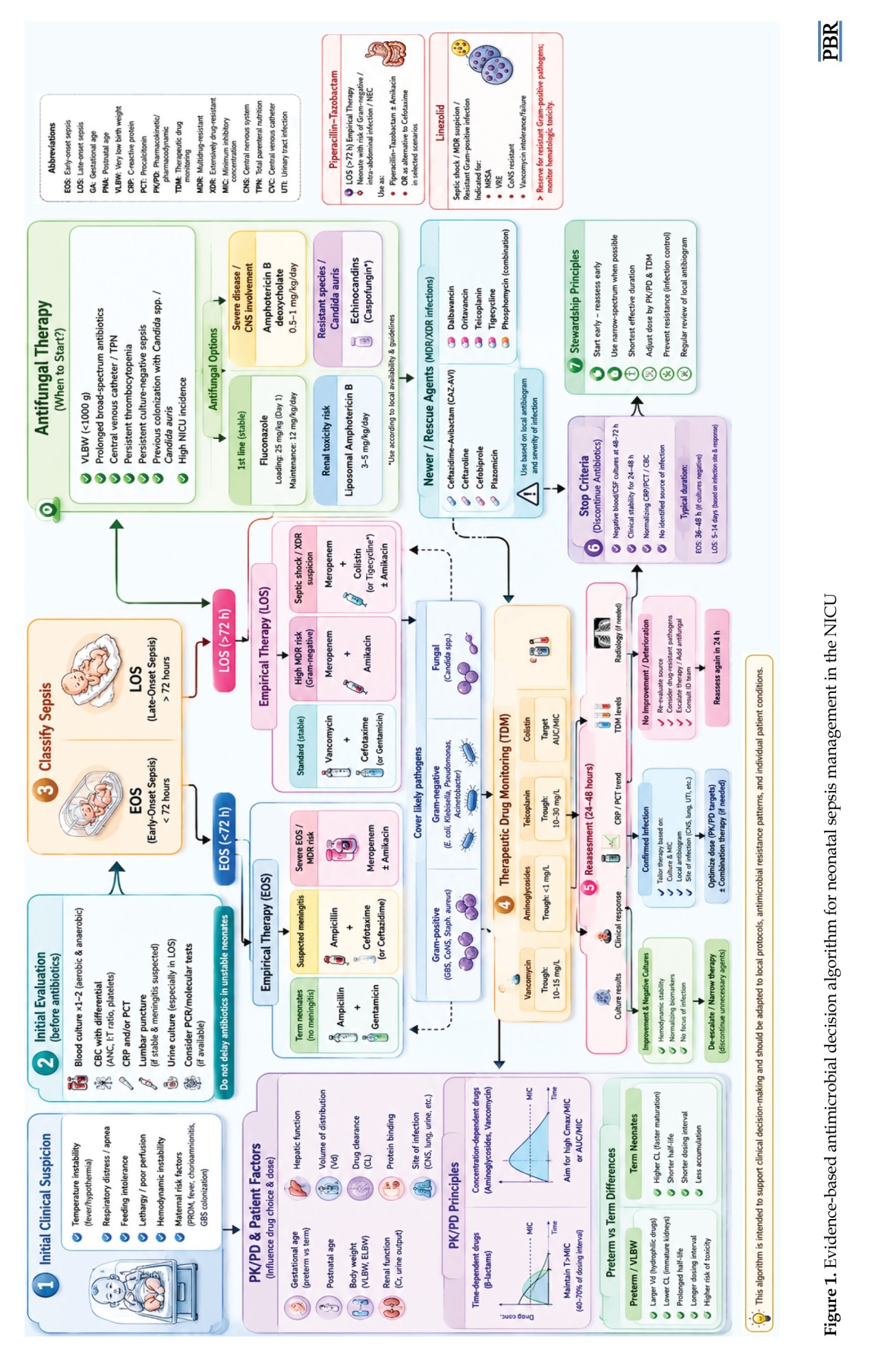
Despite a high infection burden, ethical, logistical, regulatory, and technical barriers have restricted neonatal participation in clinical trials. Consequently, of the 40 antibiotics approved for adults since 2000, only four provide dosing information [10]. Antibiotics are extensively administered in neonatal intensive care units (NICUs), with 30–35% of term infants, over 75% of infants weighing less than 1,500 g, and more than 80% of those under 1,000 g receiving treatment [11]. Nevertheless, 40–80% of medications in NICUs are prescribed off-label or without formal neonatal approval, often extrapolated from adult studies [2, 12]. This practice increases the risk of inappropriate therapy, adverse drug reactions, and medication errors due to limited pharmacokinetic data to the neonatal population (Figure 1) [13].
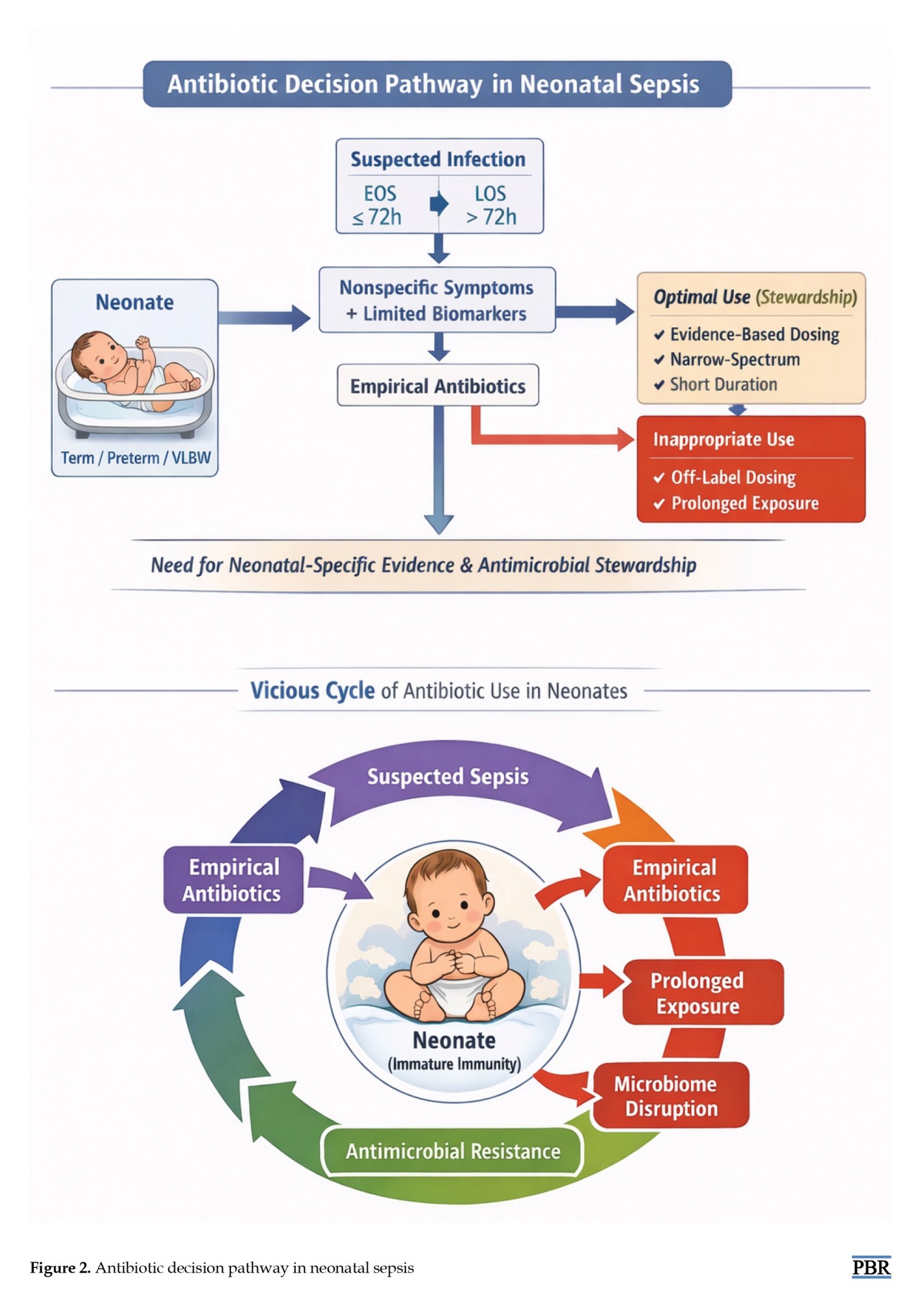
Neonatal sepsis is a life-threatening organ dysfunction resulting from a dysregulated host response to infection. Early-onset sepsis (EOS), occurring within the first 72 hours of life, is mainly associated with maternal or intrauterine factors. Its incidence varies geographically, from 0.28–2.1 per 1,000 live births in Europe to 0.31 per 1,000 in term infants and 7.4 per 1,000 in preterm infants in the United States (Figure 2) [13-17].
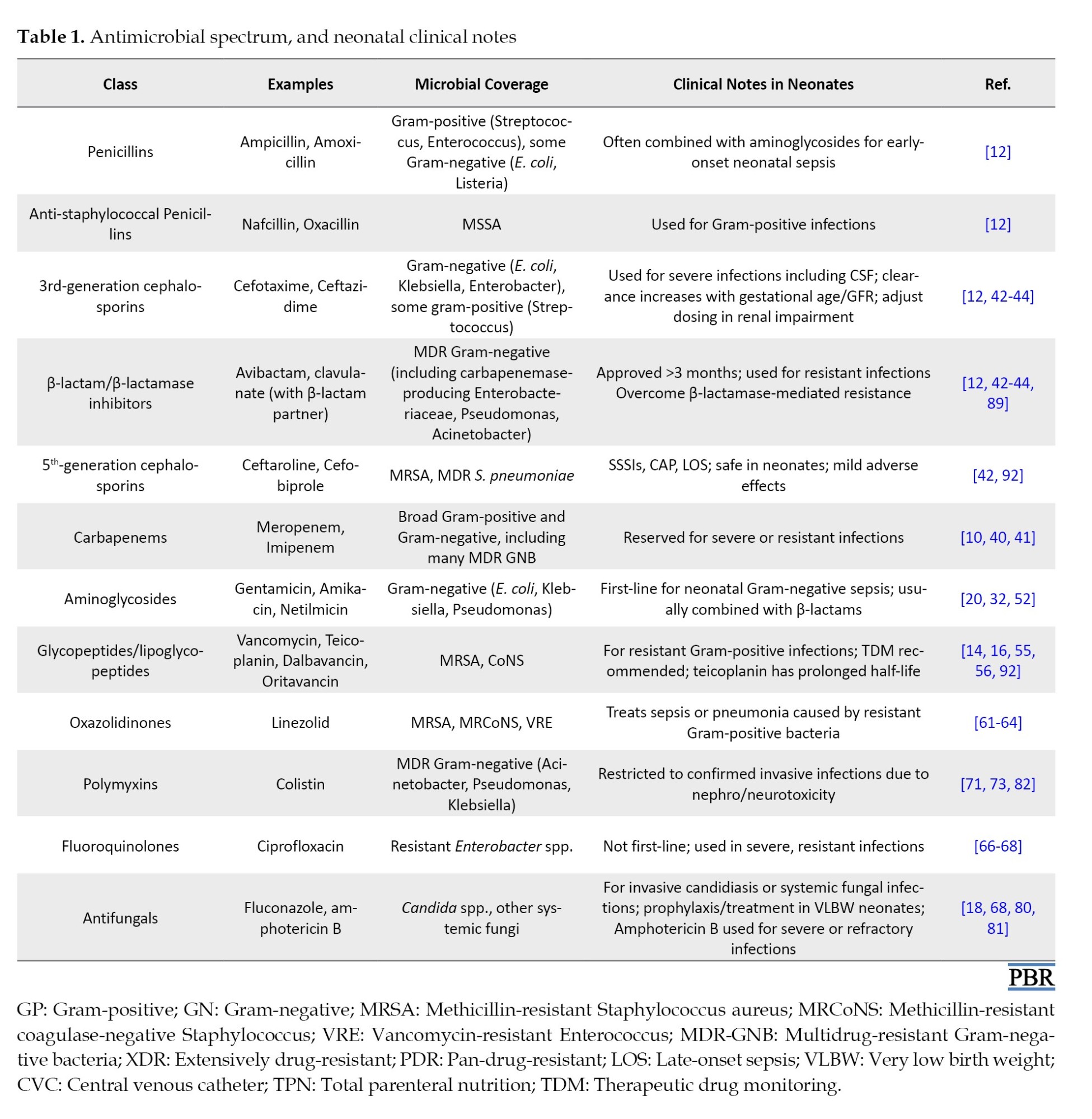
Late-onset sepsis (LOS) develops after the initial 72 hours of life and is commonly acquired through horizontal transmission in hospital settings or the community. Early recognition is challenging due to subtle clinical signs and limited predictive value of laboratory biomarkers, often complicating clinical management [4, 18]. Overuse of empirical antibiotics drives the development of antimicrobial-resistant strains, representing a serious global health concern. Extended antibiotic exposure is associated with a 1.24-fold higher risk of sepsis, necrotizing enterocolitis (NEC), and mortality (Table 1) [19-21].
Although mortality rates are lower in full-term compared to preterm neonates, sepsis remains a major clinical concern, particularly in neonates with immune deficiencies, meconium aspiration, galactosemia, or congenital cardiopulmonary anomalies. In very low birth weight (VLBW) neonates, sepsis accounts for up to 20% of deaths [10, 16]. Preterm and VLBW neonates are particularly vulnerable due to invasive interventions, such as central catheters, mechanical ventilation, and total parenteral nutrition (TPN), as well as prolonged hospitalization, all of which increase the risk of systemic infection [12, 13]. The risk of nosocomial infections is also heightened by poor hand hygiene, overcrowding, insufficient equipment disinfection, and delayed initiation of breastfeeding, which can extend the time required to reach full enteral feeding (Figure 2) [20].
Empirical antibiotic regimens often deviate from World Health Organization (WHO) guidelines, and geographic differences in antimicrobial susceptibility necessitate tailoring therapy to local pathogen prevalence, contributing to variability in dosing recommendations [21-23]. Blood culture–negative or “suspected” sepsis cases complicate clinical decision-making, as negative cultures cannot definitively exclude infection and may result in unnecessary prolonged antibiotic therapy [20].
Effective antimicrobial stewardship in NICUs is crucial to optimize antibiotic use, minimize unnecessary exposure, and curb antimicrobial resistance. Core strategies include multidisciplinary team coordination, infection surveillance, narrow-spectrum antibiotic guidelines, and routine adherence audits [20]. However, compliance with stewardship programs varies widely, with significant gaps reported between recommended guidelines and actual clinical practice [19].
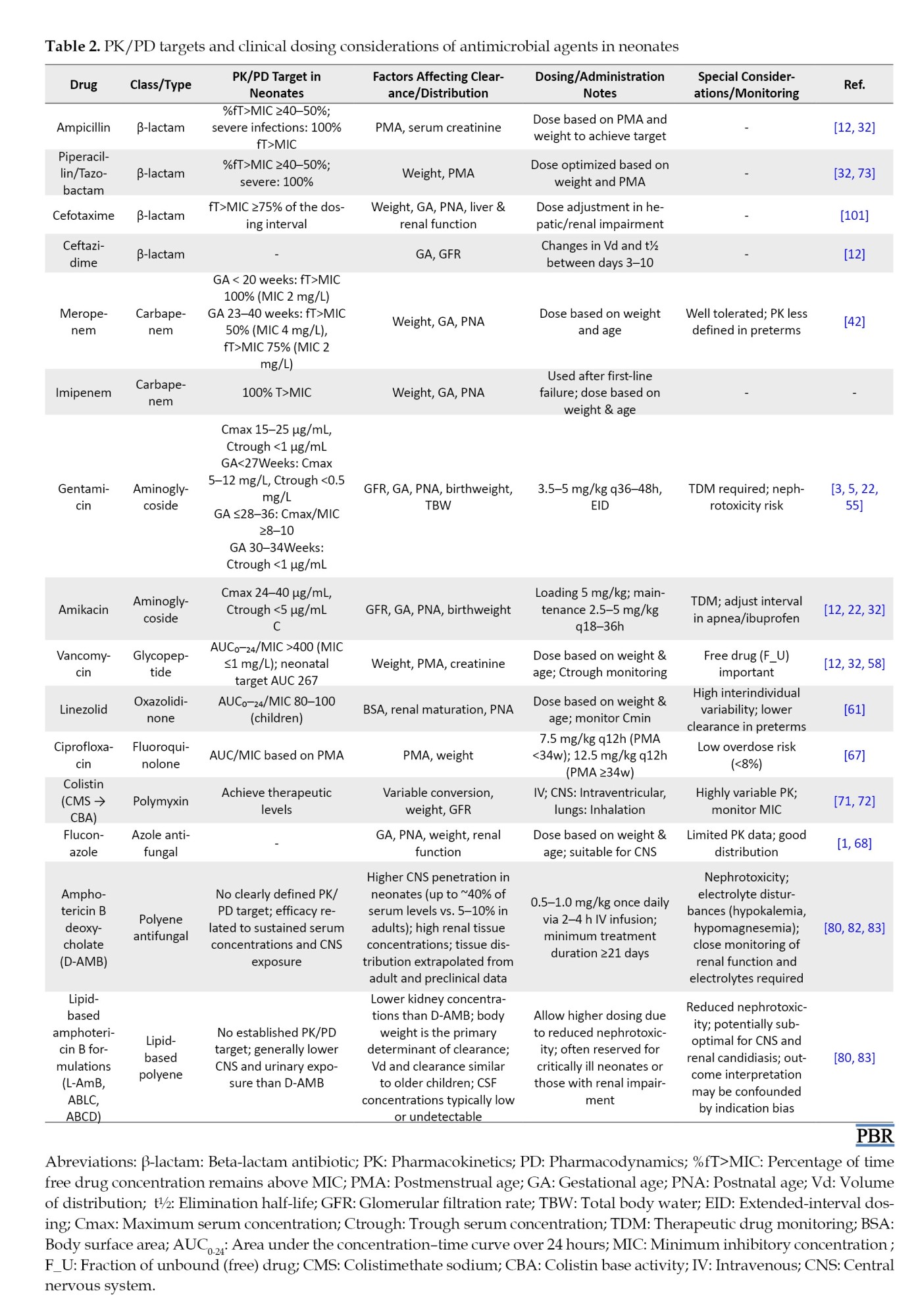
Developmental pharmacokinetic and pharmacodynamic (PK/PD) variability refers to age-related physiological differences in neonates that significantly influence drug absorption, distribution, metabolism, elimination, and therapeutic response. Despite advances in neonatal intensive care, important challenges remain in optimizing antimicrobial therapy in neonates. Limited neonatal-specific clinical evidence, widespread off-label antibiotic use, and increasing antimicrobial resistance complicate treatment decisions in NICUs. Furthermore, the absence of standardized dosing strategies and the frequent reliance on prolonged empirical therapy may contribute to treatment failure, adverse outcomes, drug toxicity, and resistance development, particularly in preterm and VLBW infants (Table 2) [2, 21].
This review highlights the importance of individualized antimicrobial therapy and antimicrobial stewardship approaches to optimize treatment outcomes and minimize unnecessary antibiotic exposure in NICU patients.
Materials and Methods
This narrative review was based on published literature related to neonatal sepsis and antimicrobial therapy in NICU. Relevant articles were identified through searches in PubMed, Scopus, and Web of Science. This review focused on antimicrobial pharmacokinetics/pharmacodynamics (PK/PD) principles, dosing optimization, therapeutic drug monitoring, antimicrobial stewardship, resistance patterns, and the safety and efficacy of antibacterial and antifungal agents used in neonatal populations.
English-language publications, including original studies, clinical and observational studies, meta-analyses, review articles, and consensus statements, were evaluated. Additional relevant studies were identified through manual screening of reference lists.
Priority was given to recent and clinically relevant studies involving preterm neonates, VLBW infants, and critically ill NICU patients. Landmark studies were included to provide an updated and clinically oriented overview of antimicrobial therapy in neonatal sepsis management.
This review acknowledges limitations, including variability in study designs, regional differences in microbial epidemiology, and the paucity of high-quality clinical trials in preterm populations.
Diagnosis and monitoring of neonatal sepsis
Early diagnosis of neonatal sepsis (EOS and LOS) remains a major challenge in neonatal intensive care [8, 19]. Table 3 presents key diagnostic and monitoring parameters and tools used for neonatal sepsis.
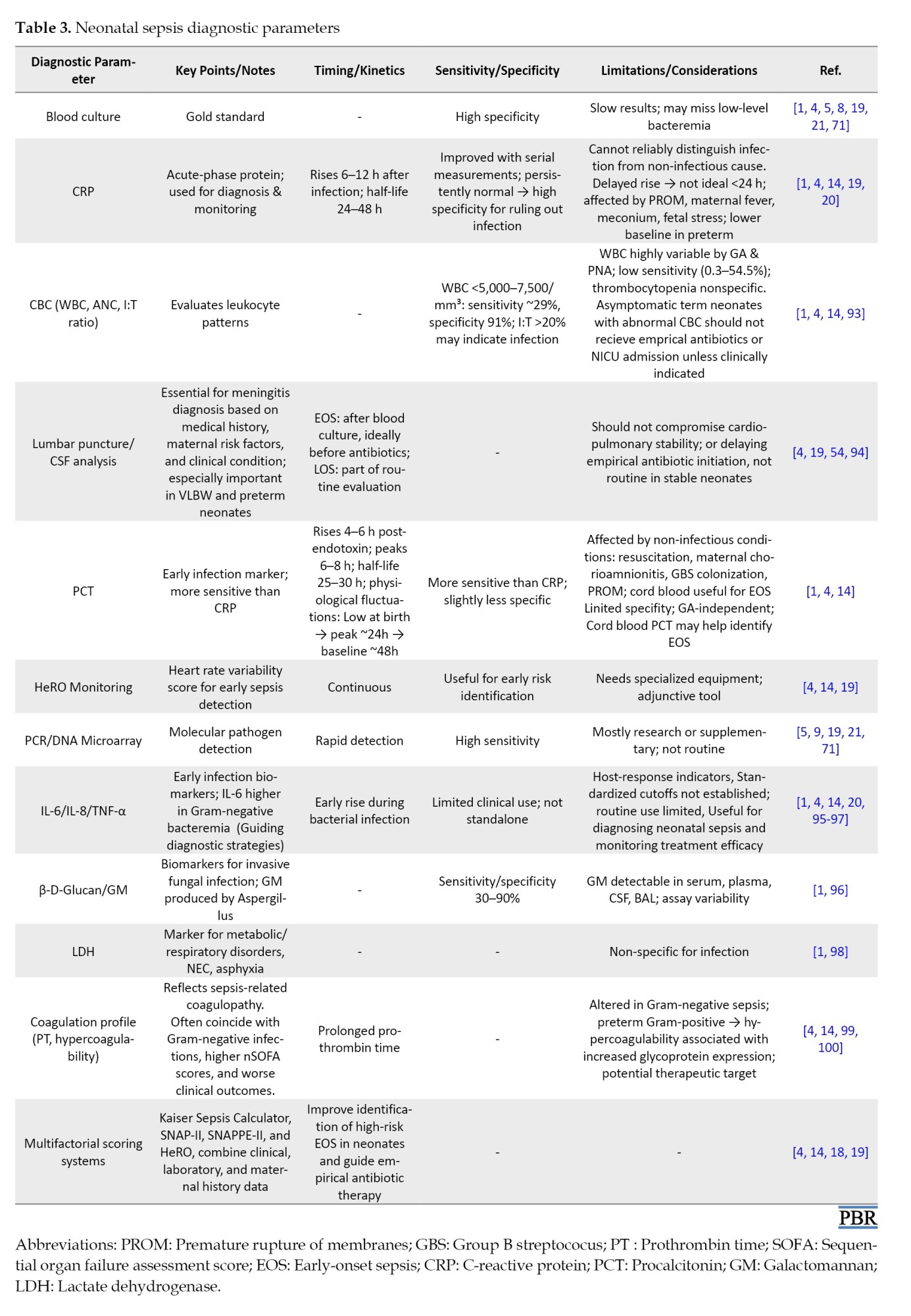
If clinically stable neonates have negative blood cultures and no clear infection, empiric antibiotics for EOS should be stopped after 36 hours, especially if CRP is reassuring. If antibiotics are continued beyond 36 hours, reassess therapy at least every 24 hours [14, 24, 25].
Pharmacokinetics and pharmacodynamics of drugs in preterm neonates
PK and PD are markedly altered in preterm neonates due to physiological immaturity, organ development, and clinical factors (Table 4) [12].
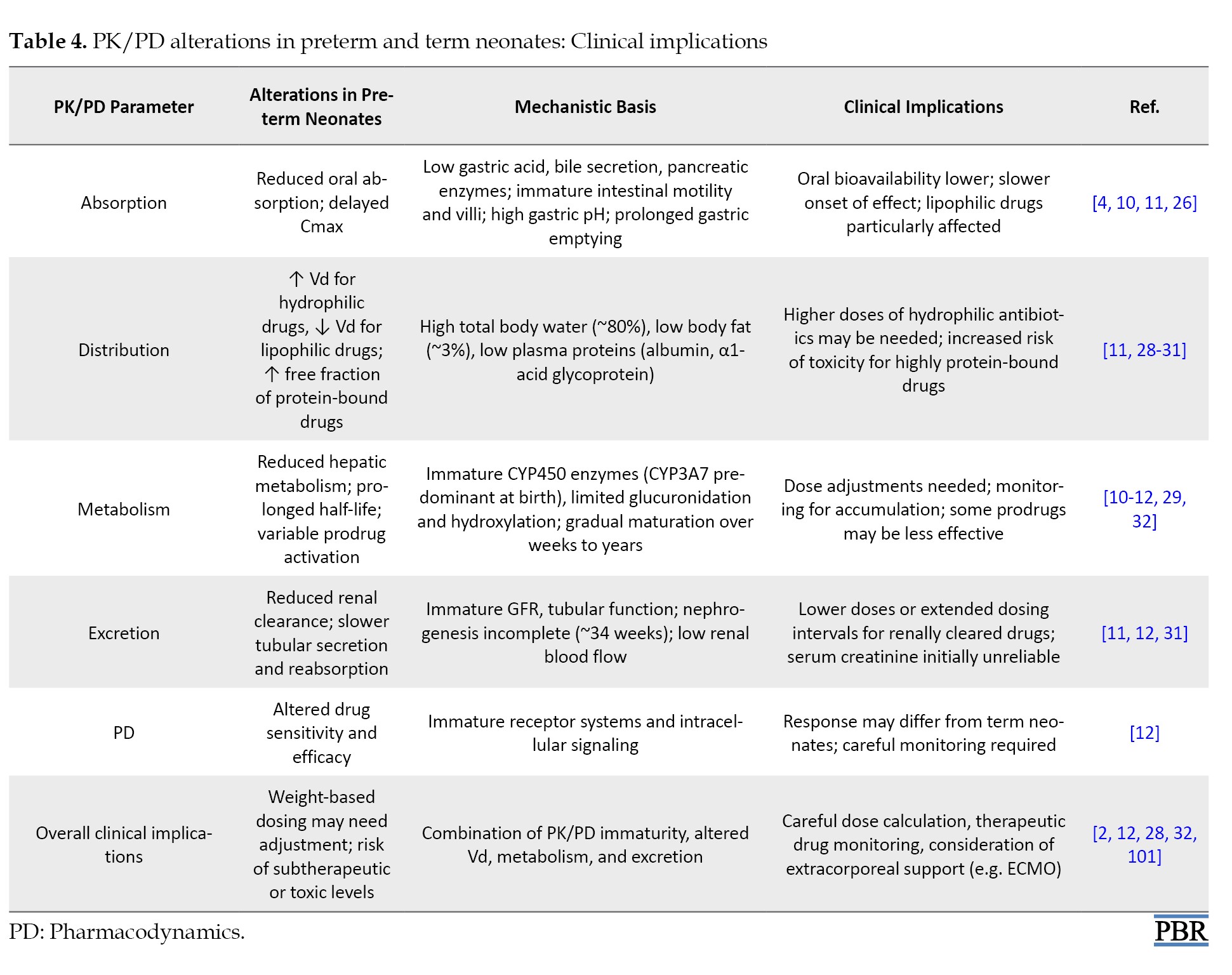
Absorption: Oral drug absorption is reduced in preterm neonates due to lower gastric acid and bile secretion, decreased pancreatic enzyme activity, and immature intestinal motility. Intestinal villi and mucosa are underdeveloped until approximately 20 weeks of gestation, further reducing absorption. Moreover, reduced bile acids, pancreatic enzymes, and ileal bile reabsorption contribute to the limited absorption of lipophilic medications. High gastric pH, delayed gastric emptying, prolonged intestinal transit, immature transporter expression, and limited first-pass metabolism contribute to decreased oral bioavailability and delayed peak plasma concentrations (Cmax) [4, 11, 26].
Lactase activity is decreased, while sucrase, maltase, and isomaltase are relatively preserved. Gastric volume, motility, and emptying are reduced, and intestinal transit is prolonged up to four times that of adults. These factors, along with immature transporter expression and limited first-pass metabolism, result in lower oral bioavailability and delayed peak plasma concentrations [26, 27].
Distribution: Preterm neonates have distinct body composition compared to term infants and adults, with total body water around 80% vs 70% in term neonates and body fat approximately 3% vs 12% in term neonates. These differences enlarge the volume of distribution (Vd) for hydrophilic drugs and reduce it for lipophilic agents. Lower levels of plasma proteins, including albumin and α1-acid glycoprotein, elevate the free fraction of highly protein-bound drugs, increasing toxicity risk, particularly in hypoalbuminemic infants. Extracorporeal support, such as extracorporeal membrane oxygenation (ECMO), may further expand Vd through hemodilution [11, 28, 29].
Although neonates have limited fat and skeletal muscle, the Vd of lipophilic drugs (e.g. fluoroquinolones, macrolides, ketolides, metronidazole, rifampin, trimethoprim/sulfamethoxazole, linezolid) can be high because fat-rich organs (brain and liver) are relatively large compared with body weight. In neonates, Vd is affected by body composition and lower plasma proteins (albumin and α1-acid glycoprotein), increasing the unbound fraction and active drug. For beta-lactams, efficacy depends on the duration the free drug concentration exceeds the minimum inhibitory concentration (MIC) (fT>MIC). Reduced protein binding can increase both activity and toxicity. At birth, albumin and α1-acid glycoprotein levels are low and gradually reach adult values by around one year. Reduced protein binding, altered fetal albumin affinity, elevated bilirubin, and free fatty acids can increase the unbound drug fraction. Rapid changes in body composition and extracellular fluid affect the Vd, while renal and hepatic clearance mature over time but remain lower than in adults. Both gestational age (GA) and postnatal age (PNA) should be considered when determining antibiotic dosing in neonates [11, 30, 31].
Metabolism: Hepatic metabolism is immature. Plasma protein levels gradually increase during early infancy, reaching adult levels by approximately 10–12 months of age [32]. Cytochrome P450 enzymes begin maturing around 25 weeks gestation, with adult levels reached by ~2 years. Fetal hepatic cytochrome (CYP) enzyme expression reaches only approximately 30–60% of adult levels. Reduced metabolism prolongs drug half-life and increases the risk of drug accumulation. Prodrugs that require metabolic activation may exhibit less efficacy. Inter-individual variability and NICU polypharmacy increase susceptibility to adverse drug reactions [11, 12, 29].
Some biotransformation pathways, including P450-mediated hydroxylation and glucuronidation, are limited at birth. Phase I CYP450 enzymes exhibit isoform-specific developmental profiles: CYP3A7 is predominant at birth, but its activity declines over the first year, while CYP3A4, the main adult drug-metabolizing isoform, gradually increases. CYP maturation depends on both PNA and postmenstrual age (PMA). Drug metabolism occurs mainly in the liver, with minor contributions from kidneys, gut, blood cells, and lungs [11, 27].
Excretion: Renal clearance is limited in preterm neonates due to immature glomerular filtration and tubular function. Nephrogenesis is completed around 34 weeks of gestation. Glomerular filtration rate (GFR) is ~50% of adult values at three months and reaches adult levels by two years. Factors, such as prematurity, low birth weight, and nephrotoxic drugs, further reduce clearance. Serum creatinine at birth is an unreliable marker of neonatal renal function because it initially reflects maternal levels and becomes accurate only after several weeks. Moreover, severe illness, inflammation, and augmented renal clearance can further modify drug PKs [11, 12, 33].
Active tubular secretion and reabsorption are immature at birth, reaching only ~20–30% of adult capacity. Tubular secretion matures gradually, attaining adult levels by 7–12 months, whereas tubular reabsorption continues to develop slowly into adolescence, with the steepest increase between 1–3 years. Drug elimination via these processes depends on renal blood flow, which rises with increasing GFR. In neonates, reduced protein binding can enhance clearance of renally handled drugs due to higher free drug concentrations [11, 33].
Pharmacodynamics: Drug effects in preterm neonates are influenced by immature receptor systems and intracellular signaling pathways, resulting in altered sensitivity and efficacy [12].
Empiric antibiotic use in critically Ill neonates
Early-onset sepsis
Pathophysiology
EOS arises primarily from vertical transmission of pathogens during labor or immediately postpartum. Maternal genital tract colonization with Group B Streptococcus (GBS) or Escherichia coli accounts for most cases. Less frequently, Listeria monocytogenes, Staphylococcus aureus, and anaerobic bacteria may be involved (Figure 2) [18, 34].
Risk factors
Maternal risk factors
Chorioamnionitis or intra-amniotic infection; Prolonged rupture of membranes (PROM >18 hours); Maternal fever during labor (>38 °C); Untreated maternal GBS colonization; Prior infant with GBS infection; Bacteriuria or colonization with E. coli or other uropathogens [18, 34].
Neonatal risk factors:
Prematurity, VLBW; male sex; birth asphyxia, traumatic delivery; need for resuscitation or mechanical ventilation; congenital anomalies; Immature immune function and low maternal immunoglobulin G transfer [18, 34].
Low-risk neonates, such as preterm infants delivered by cesarean section for non-infectious indications without labor induction or membrane rupture, may not require empiric antibiotics [35].
Clinical presentation
EOS often presents with subtle or nonspecific signs:
Respiratory distress, apnea; cardiovascular compromise: Shock, bradycardia, hypotension; neurological abnormalities: Seizures, lethargy; feeding intolerance, hypoglycemia, temperature instability; Laboratory indicators: Elevated CRP, abnormal white blood cell counts [18, 34].
Red flags (apnea, need for resuscitation, shock) warrant immediate empiric therapy, whereas non-red-flag signs may be assessed using clinical judgment or sepsis risk calculators [18].
Microbial epidemiology
High-income countries: GBS and E.coli are predominant, although GBS incidence has declined due to intrapartum prophylaxis [18, 34]. Preterm/VLBWneonates: E.coli predominates and frequently exhibits ampicillin resistance [34]. LMICs: Gram-negative bacteria (GNB) are more prevalent, including Klebsiella and Enterobacter species [34].
Empiric antibiotic therapy
First-line empiric therapy in most preterm or less critically ill neonates: Ampicillin+gentamicin, covering GBS, E. coli, Listeria, and other common pathogens [34, 35].
Cefotaxime-based regimens are reserved for:
Critically ill neonates with severe respiratory failure; Gentamicin contraindications (renal impairment); Suspected Gram-negative meningitis [35].
Prolonged use of third-generation cephalosporins increases risk of multidrug-resistant (MDR) bacteremia, invasive candidiasis, and gut dysbiosis [35, 36]. Ceftriaxone is avoided in neonates due to risk of hyperbilirubinemia, kernicterus, and calcium precipitation [18].
Adjunctive strategies
β-lactam/β-lactamase inhibitor combinations (e.g. ampicillin-sulbactam) may broaden coverage against extended-spectrum beta-lactamase (ESBL)-producing Gram-negatives without resorting to carbapenems [37]. Empiric antifungal therapy is indicated only for high-risk VLBW neonates with risk factors or suspected fungal sepsis [4].
Empiric therapy should be reassessed at 48–72 hours and discontinued if cultures are negative and the infant remains clinically stable [35].
Late-onset sepsis
Epidemiology and risk factors
LOS generally occurs after 72 hours of life and is predominantly nosocomial, associated with:
Prolonged NICU stay; central venous catheters and invasive devices; mechanical ventilation and parenteral nutrition; critical illness and prematurity [4, 18, 34].
Other contributing factors include maternal and perinatal complications (pre-eclampsia, chorioamnionitis, intrauterine growth restriction), and prolonged hospital exposure (Figure 2) [34].
Pathogen profile
High-income countries: Gram-positive bacteria predominate
Coagulase-negative staphylococci (CoNS, 50–55% of cases in preterm infants); S. aureus, Enterococcus spp., GBS [4, 34].
LMICs: Gram-negative bacteria predominate
Enterobacteriaceae (Klebsiella, E. coli, Enterobacter spp.); Pseudomonas aeruginosa [4].
Fungal pathogens
Candida spp., including Candida albicans and emerging Candida auris, particularly in VLBW infants or those exposed to broad-spectrum antibiotics [4].
Viral agents are rare but include herpes simplex virus, enteroviruses, enteroviruses, cytomegalovirus, respiratory syncytial virus [4].
Empiric therapy
Empiric LOS therapy should cover both gram-positive and gram-negative pathogens
Community-acquired LOS: Ampicillin+gentamicin. Hospital-acquired LOS: Vancomycin (or anti-staphylococcal β-lactam)+aminoglycoside to cover CoNS and methicillin-resistant S. aureus (MRSA) [34]. Gram-negative coverage: β-lactam/β-lactamase inhibitor combinations±aminoglycoside; carbapenems reserved for ESBL-producing organisms. Anaerobic coverage: Clindamycin or metronidazole in NEC or suspected intra-abdominal infection. CNS involvement: Third- or fourth-generation cephalosporins or carbapenems; piperacillin-tazobactam avoided due to poor CNS penetration [34]. Fungal infections: Empiric amphotericin B in high-risk infants [4].
Vancomycin-resistant S. aureus (VRSA), ESBL-producing Enterobacteriaceae, Acinetobacter species, and fungal pathogens, such as Candida and Aspergillus, have markedly increased morbidity and mortality among neonates. Reserve antibiotics (linezolid, daptomycin, fosfomycin, colistin, ciprofloxacin) are used only for culture-proven MDR infections under infectious disease guidance [1, 34].
In critically ill neonates requiring mechanical ventilation for respiratory distress, empiric antibiotics are indicated for suspected congenital pneumonia and/or EOS. American Academy of Pediatrics guidelines recommend starting empiric therapy in high-risk neonates and discontinuing within 3 days if bacterial sepsis is excluded, as prolonged empiric therapy beyond 5–7 days is associated with adverse outcomes, including LOS, NEC, and increased mortality. Broad-spectrum regimens (e.g. ampicillin plus cefotaxime), may disrupt gut microbiota, increase MDR bacteremia, prolong hospitalization, raise in-hospital mortality, and predispose neonates to invasive candidiasis. Despite this, such regimens are commonly used in neonates with risk factors, including PROM, maternal fever, clinical signs of sepsis, or elevated biomarkers. Many neonates receive broad-spectrum antibiotics even with negative blood cultures to avoid undertreatment, which increases EOS mortality risk. Low-risk preterm infants delivered by cesarean section for non-infectious maternal indications, without labor induction, membrane rupture, or intrapartum antibiotic prophylaxis, may be safely managed without routine empiric antibiotics [35-38].
Diagnosing neonatal sepsis is challenging due to unclear definitions, and identifying bacterial, viral, or non-infectious causes depends on microbial cultures requiring up to 48 hours. Rapid tests and combined biomarkers can help prevent unnecessary empiric antibiotic therapy [37].
In settings with high resistance, the empiric use of very broad-spectrum agents, including carbapenems, is increasing. However, this practice risks further resistance. The WHO categorizes antimicrobials as the Access, Watch, and Reserve. Gentamicin and ampicillin belong to Access category, while cefotaxime is classified as Watch, and resistance levels to all have reached alarming levels. Standard susceptibility testing does not account for additive or synergistic effects. Combining β-lactams with β-lactamase inhibitors (e.g. sulbactam, clavulanic acid) may extend coverage against ESBL-producing Gram-negative pathogens without resorting to carbapenems [37].
Antimicrobial therapy in neonates
βlactams (cephalosporins and carbapenems)
Clinical use in neonatal intensive care units
β-lactams are among the most commonly used antibiotics in neonates. Their bactericidal effect is mediated through inhibition of transpeptidase enzymes, preventing cross-linking of peptidoglycan strands and thus disrupting bacterial cell wall synthesis. The most frequently used β-lactams in the NICU include penicillins (e.g. ampicillin), cephalosporins (e.g. cefotaxime, ceftazidime), and carbapenems (e.g. meropenem, imipenem) [12, 19, 32].
Ampicillin is extensively renally excreted (~90%), with serum concentrations largely dependent on renal function. CNS penetration is limited under normal conditions but increases to ~39% during meningitis. It remains the drug of choice for suspected or confirmed Listeria meningitis, particularly in the first week of life [12, 39].
Meropenem is the preferred carbapenem in neonates for LOS and complicated intra-abdominal infections, while imipenem is reserved for critically ill neonates after first-line therapy failure. Meropenem is effective against resistant Gram-negative infections, including neonatal meningitis, but is associated with higher ventilation failure rates. Extended broad-spectrum therapy (≥10 days) is linked to colonization by resistant GNB [10, 40, 41].
Third-generation cephalosporins such as cefotaxime and ceftazidime are widely used for gram-negative sepsis, with ceftazidime/avibactam (CAZAVI) emerging as a novel option against MDR pathogens in infants >3 months [12, 42-44].
Neonatal pharmacokinetics/pharmacodynamics Considerations
β-lactams are time-dependent antibiotics; their efficacy correlates with the duration that free drug concentrations remain above the pathogen MIC (%fT>MIC). Optimal pharmacodynamic targets are at least 40–50% fT>MIC, but in severe infections, achieving 100% fT>MIC is recommended. For ampicillin, PMA and serum creatinine are major covariates affecting renal clearance. Piperacillin/tazobactam PK models identified body weight and PMA as key clearance covariates, with weight being the main determinant of volume of distribution. These covariates can be used to optimize neonatal dosing regimens to achieve desired exposure [12, 32, 45, 46].
Plasma and hepatic esterases hydrolyze cefotaxime to form its active metabolite, desacetyl-cefotaxime. Approximately 50–60% of the administered dose is eliminated unchanged in the urine, while 15–20% appears as desacetyl-cefotaxime. The formation of desacetyl-cefotaxime decreases with hepatic injury, and cefotaxime clearance declines markedly when creatinine clearance is <10 mL/min. Therefore, dose adjustment may be required in neonates with hepatic or renal impairment. Pharmacokinetic assessments show that current body weight, GA, and PNA are major determinants of cefotaxime disposition [12, 32, 47].
Ceftazidime clearance increases with GA and GFR, particularly in the first 10 days of life, while distribution volume and elimination half-life decrease significantly between days 3–10 [12, 48, 49].
Meropenem is well-tolerated. PK in preterm neonates is less well defined; Imipenem, a broad-spectrum antibiotic, is reserved for cases unresponsive to first-line therapy. Neonatal dosing of both is tailored to body weight, GA, and PNA [12, 50, 51].
Therapeutic drug monitoring
Most β-lactams have favorable safety profiles; therapeutic drug monitoring (TDM) is rarely required. It may be considered in high-dose therapy or in neonates with significant renal impairment to ensure therapeutic concentrations while minimizing neurotoxicity risk [12].
Safety, adverse effects
β-lactams are generally safe in neonates. Adverse events are uncommon. Ampicillins, cephalosporins, and carbapenems rarely cause nephrotoxicity, seizures, or cytopenias (rare with meropenem). Cefotaxime may cause mild hypersensitivity reactions and gastrointestinal disturbances [12, 14].
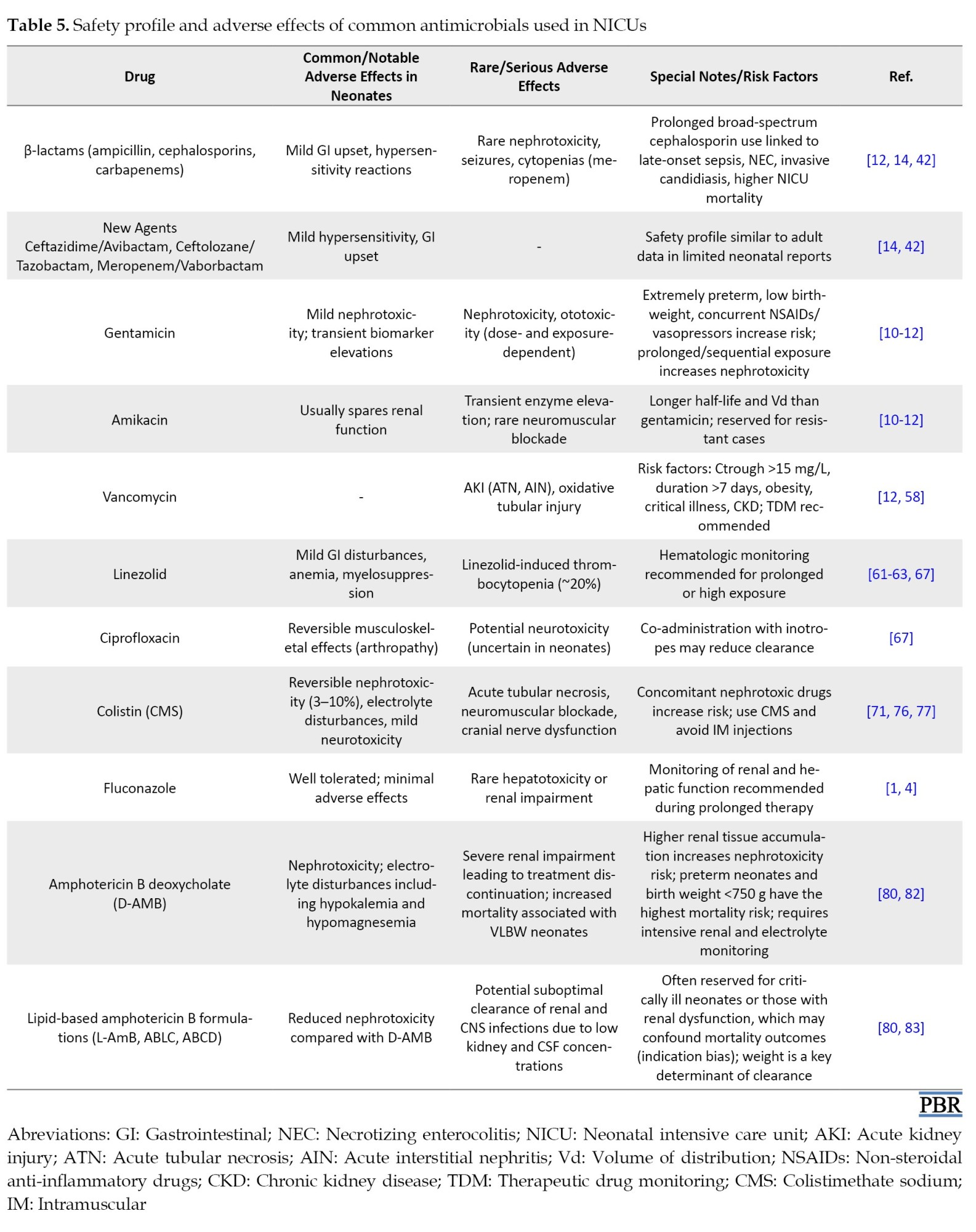
Prolonged use of broad-spectrum cephalosporins is linked to LOS, NEC, invasive candidiasis, and mortality. Emerging β-lactam/β-lactamase inhibitor combinations, such as CAZAVI, ceftolozane/tazobactam, and meropenem/vaborbactam, appear safe in limited neonatal reports and show safety profiles consistent with adults (Table 5) [14, 42].
Challenges: Resistance, ESBL, MDR, and carbapenem use
Increasing prevalence of extended-spectrum beta-lactamase (ESBL) and carbapenem-resistant Enterobacteriaceae CRE limits treatment options. Many Gram-negative pathogens may co-produce multiple β-lactamases, reducing efficacy of inhibitor combinations. Carbapenems remain the mainstay for severe neonatal MDR infections, while older agents (colistin, fosfomycin, tigecycline) are reserved for highly resistant cases [14, 42].
Siderophore cephalosporins (cefiderocol) and newer agents (CAZAVI, imipenem/relebactam, meropenem/vaborbactam) represent promising therapeutic options against MDR Gram-negative pathogens in NICU settings. Siderophore cephalosporins have shown success in individual case reports for preterm neonates with LOS due to Klebsiella pneumoniae carbapenemase- or Verona integron-encoded metallo-β-lactamase-producing K. pneumoniae [42].
Evidence gaps and research needs
PK/PD data in extremely premature neonates (GA <32 weeks) remain limited, especially for high-dose or combination regimens. The long-term safety of newer β-lactams and β-lactam/β-lactamase inhibitor combinations in neonates is largely unknown [12, 14].
Aminoglycosides
Clinical use in the neonatal intensive care units
Aminoglycosides (AGs), primarily gentamicin, amikacin, and netilmicin, are first-line agents for neonatal Gram-negative infections and are routinely used with β-lactams for empirical EOS [2, 12]. Their bactericidal effect results from irreversible binding to the 30S ribosomal subunit, which inhibits bacterial protein synthesis [11]. Both antibacterial effects and toxicity are linked to overactivation of cellular respiration, causing oxidative stress and disruption of the translation machinery, resulting in misfolded and aberrant proteins [2].
The potent Gram-negative activity, synergy with β-lactams, low intrinsic resistance, and cost-effectiveness support their widespread use in both term and preterm infants. AG-based regimens are generally preferred over cefotaxime for neonatal sepsis due to declining bacterial susceptibility and a lower risk of resistance development [20, 32, 52].
Neonatal pharmacokinetics/pharmacodynamics considerations
Gentamicin and amikacin are primarily (90%) eliminated via glomerular filtration, making renal maturation, GA, PNA, birthweight, and total body water key determinants of pharmacokinetic variability. Nephrogenesis occurs between 5–35 weeks of gestation, and preterm infants have reduced drug clearance due to immature glomerular filtration, tubular secretion, lower renal blood pressure, and limited osmotic gradients. TDM is critical, with gentamicin trough <1 µg/mL and peak 15–25 µg/mL, and amikacin trough <5 µg/mL and peak 30–40 µg/mL. Dose calculation as Equation 1:
1. Dose=target Cmax×CL×τ (2, 10)
AGs exhibit concentration-dependent bactericidal activity, with efficacy closely linked to the C_max/MIC ratio, optimally ≥8–10. The post-antibiotic effect allows bacterial killing to continue after serum concentrations fall below MIC, permitting EID to maximize efficacy while minimizing toxicity. C_trough levels are strongly associated with nephrotoxicity and ototoxicity, and maintaining C_trough <1 mg/L is recommended in neonates [11, 22, 32].
Key physiological determinants include a large Vd in neonates due to higher total body water, necessitating higher mg/kg doses, and reduced GFR in preterm infants, which requires prolonged dosing intervals, sometimes exceeding 48 hours [12, 32]. Incomplete nephrogenesis in infants <34 weeks GA further reduces clearance and increases exposure [12].
Gentamicin is a hydrophilic drug (logP=–3.1) that primarily distributes in the extracellular fluid, making a full physiologically based pharmacokinetic (PBPK) model unnecessary. Due to its low cellular penetration, it is assumed to distribute rapidly throughout the perfused tissue volume; thus, a flow-limited distribution model was applied [2].
Gentamicin is the most commonly used aminoglycoside in NICU. Typical dosing for preterm neonates ranges 3.5–5 mg/kg every 36–48 hours, with extremely preterm infants (<28 weeks GA) often requiring higher doses (5 mg/kg) to achieve therapeutic C_max [2, 12].
Amikacin dosing generally begins with a loading dose of 5 mg/kg, followed by 2.5–5 mg/kg maintenance doses at 18–36-hour intervals depending on GA, with interval adjustments of +10–12 hours recommended during apnea, hypothermia, or concurrent ibuprofen therapy. Tobramycin regimens generally mirror gentamicin strategies [12, 22, 32, 53].
Extended-interval dosing (EID) is preferred in neonates, as it allows higher C_max for enhanced bacterial killing, lower C + trough to reduce toxicity, and improved PK/PD target attainment compared with multiple-daily dosing [11, 32].
Therapeutic drug monitoring
Routine TDM is strongly recommended for AGs in neonates due to their narrow therapeutic window and potential for nephro- and ototoxicity [22, 52, 54]. Monitoring should include early assessment of C_max and C_trough after 2–3 doses or earlier in clinically unstable infants to ensure therapeutic exposure while avoiding toxic troughs [32].
Safety and adverse effects
AGs toxicity is dose- and exposure-dependent, with nephrotoxicity and ototoxicity as the most significant concerns [11, 12]. Extremely preterm infants, low birthweight neonates, and those receiving co-medications, such as nonsteroidal anti-inflammatory drugs or vasopressors, are particularly vulnerable. A study demonstrated that the severity of (AKI) correlates inversely with GA and birthweight, highlighting increased susceptibility in very preterm neonates [12].
Gentamicin may increase serum creatinine and urinary biomarkers (kidney injury molecule-1, glutathione S-transferase alpha 1-1, glutathione S-transferase pi 1), indicating nephrotoxicity. Amikacin usually spares overall renal function, but can transiently elevate urinary N-acetyl-β-D-glucosaminidase and may cause neuromuscular blockade, although less than other AGs. Prolonged or sequential exposure to AGs increases the risk of nephrotoxicity. Gentamicin combined with ampicillin reduces neonatal mortality and is associated with shorter duration of ventilation and hospital stay. Amikacin is reserved for resistant cases, has a longer half-life and higher volume of distribution, and is associated with longer ventilation (Table 5) [10].
Emerging challenges: Resistance, multidrug-resistant, and clinical limitations
Although resistance remains relatively limited, increasing MICs among Gram-negative pathogens may render AG monotherapy insufficient when MIC exceeds 2 mg/L, necessitating combination therapy or alternative regimens [11, 32]. Despite these limitations, AGs remain central to NICU antimicrobial therapy due to their broad Gram-negative coverage, synergy with β-lactams, and cost-effectiveness [2, 20].
Evidence gaps and research needs
PK/PD data in extremely preterm neonates (<32 weeks GA) remain sparse [20, 32]. Long-term ototoxicity outcomes are insufficiently studied, and variability in current dosing recommendations persists due to heterogeneous data sources [22]. Further studies are required to refine PBPK models, validate EID, define optimal PK/PD targets for various gram-negative pathogens, and prevent the emergence of antimicrobial resistance [2, 12, 32].
Vancomycin
Clinical use in the neonatal intensive care units
Preterm and VLBW neonates are particularly susceptible to severe Gram-positive infections during NICU hospitalization, often associated with central venous catheters and TPN. This heightened vulnerability largely stems from an immature immune system that fails to mount an adequate antimicrobial response. S. aureus and coagulase-negative staphylococci account for approximately 55% of late-onset hospital-acquired infections in this population [12, 55].
Vancomycin, a glycopeptide antibiotic, is widely used to treat MRSA infections in both preterm and term neonates. The drug is water-soluble, exhibits limited plasma protein binding (e.g. to IgA and albumin), and is primarily eliminated via glomerular filtration and tubular secretion. Compared with adults, neonates have a higher extracellular fluid volume and lower renal clearance. Consequently, vancomycin clearance can vary 2- to 3-fold depending on PMA, comorbidities, and renal function, necessitating individualized dosing and TDM [12, 56].
Several dosing algorithms have been proposed in clinical practice, including fixed weight-based dosing, PMA-based dosing, PMA plus weight, PMA plus PNA, and serum creatinine-based dosing. Population PK modeling with Monte Carlo simulations has been used to compare these strategies, evaluating target trough concentrations (5–15 mg/L) and higher MRSA-specific targets (15–20 mg/L). Trough concentrations do not reliably predict efficacy or area under the receiver operating characteristic curve (AUC0)–24 h/MIC, highlighting the clinical value of AUC-guided dosing adjustments [12, 57].
Neonatal pharmacokinetics/pharmacodynamics considerations
The primary PK/PD target for vancomycin is an AUC₀–₂₄/MIC>400 for pathogens with MIC≤1 mg/L, though some authors suggest that lower targets may suffice in neonates. This target was originally defined in adult MRSA pneumonia and has not been formally validated for neonatal staphylococcal sepsis [12, 32, 58].
Recent studies indicate that the fraction of free vancomycin in neonates is substantially higher (mean 0.9) than in adults (mean 0.6), highlighting developmental differences in protein binding. As a result, using total drug concentrations for target attainment approximates adult exposures, whereas targeting free drug may be a more physiologically relevant approach, with a proposed neonatal target AUC₀–₂₄/MIC of 400. Covariates influencing clearance include body weight, PMA, and serum creatinine [12, 59].
Vancomycin dosing must account for the high inter-individual variability in neonates, including differences in Vd and renal clearance. TDM is strongly recommended to ensure therapeutic efficacy while minimizing toxicity [12, 32]. Simulation studies suggest that trough concentrations of 5-15 mg/L are generally sufficient to achieve AUC₀–₂₄>400, whereas higher troughs (15–20 mg/L), typically used in adults, are not necessary for neonates [12].
Safety and adverse effects
Vancomycin-associated AKI is well-documented and usually occurs 4–17 days post-exposure. AKI can present as:
Acute tubular necrosis: Characterized by oliguria and acute rise in serum creatinine
Acute interstitial nephritis: Typically non-oliguric AKI with sterile pyuria and non-nephrotic proteinuria 7–14 days after exposure; rash, fever, and eosinophilia may occur but are present in <10% of cases. Histopathology classically shows interstitial edema with eosinophilic and lymphocytic infiltration; occasionally, granulomatous interstitial nephritis is observed. Non-crystalline vancomycin casts have also been reported, predominantly in distal tubules, occasionally associated with macrophage infiltration, suggesting inflammatory injury. High intracellular vancomycin concentrations induce oxidative stress, mitochondrial dysfunction, and apoptosis in proximal tubular cells via reactive oxygen species generation, cytochrome C release, caspase activation, DNA damage, poly(ADP-ribose) polymerase 1 activation, nicotinamide adenine dinucleotide/adenosine triphosphate depletion, and mitogen-activated protein kinase-mediated cell death pathways [12, 58, 60].
Risk factors for vancomycin-induced AKI include trough concentrations >15 mg/L, treatment duration >7 days, obesity, critical illness, and underlying chronic kidney disease. Prevention strategies involve TDM to avoid supratherapeutic levels, avoiding concomitant nephrotoxic drugs, and maintaining adequate hydration. Management typically includes drug discontinuation and supportive care; corticosteroids may be considered in acute interstitial nephritis, and high-flux hemodialysis has been reported, but is rarely employed [58].
Linezolid
Clinical use in NIC
Linezolid is a synthetic oxazolidinone antibiotic used to treat neonatal sepsis or pneumonia caused by methicillin-resistant coagulase-negative Staphylococcus or MRSA [61]. It is also approved for treating skin and soft tissue infections (SSTIs), community-acquired or hospital-acquired pneumonia, and infections caused by vancomycin-resistant Enterococcus in pediatric populations [62, 63]. Linezolid exhibits high tissue penetration, making it effective against Gram-positive infections in neonates [62, 64].
Neonatal pharmacokinetics/pharmacodynamics considerations
Linezolid demonstrates significant interindividual variability in PK in neonates, particularly in preterm infants. Key determinants of clearance include body surface area (BSA) and renal maturation, as neonatal renal function is closely related to organ maturity and hemodynamic stability [26, 61].
The target PD parameter in adults is an AUC₀–₂₄/MIC ratio of 80–120, while for children, a ratio of 80–100 has been suggested as an efficacy threshold [61]. A relatively linear correlation exists between trough concentration (C_min) and AUC₀–₂₄h, making C_min a practical marker for efficacy and safety monitoring in neonates [26, 61]. Neonatal clearance of linezolid varies with PNA: Neonates older than 7 days exhibit approximately threefold higher clearance than neonates younger than 7 days [26, 63, 65].
Optimal intravenous dosing of linezolid in preterm neonates depends on BSA and the pathogen MIC [61]. Monte Carlo simulations suggest:
BSA 0.11 m²: 6 mg/kg q8h; BSA 0.13 m²: 7 mg/kg q8h; BSA 0.15 m²: 9 mg/kg q8h
For pathogens with MIC=2 mg/L, slightly higher doses are recommended to achieve an adequate probability of target attainment (~90%). Adjust dosing based on steady-state C_min, clinical response, and adverse reactions. The Bayesian approach and population PK models are valuable tools to guide individualized dose adjustment [61].
Linezolid can be administered orally or intravenously, with almost 100% bioavailability, allowing easy conversion between routes in clinically stable neonates without dose adjustment [26, 63].
Therapeutic drug monitoring
Target trough concentrations for linezolid are typically 2–8 μg/mL, and AUC₀–₂₄h should range from 80–300 mg. h/L. Monitoring C_min is practical in neonates to ensure therapeutic efficacy while minimizing toxicity [26, 61].
Safety, adverse effects
The major safety concern with linezolid in neonates is linezolid-induced thrombocytopenia, which occurs in approximately 20% of treated neonates [61]. Other reported adverse events include mild gastrointestinal disturbances, myelosuppression, and anemia [62, 64]. Pediatric patients generally experience fewer bone marrow toxicities than adults [62]. Close monitoring of hematologic parameters is recommended, especially at higher exposures or prolonged therapy [63]. Linezolid has a low risk of Clostridium difficile infection despite diarrhea being a common side effect (Table 5) [63].
Emerging challenges
Pharmacokinetic parameters vary widely among preterm and term neonates [26, 61]. Neonatal-specific PK/PD targets have not yet been well established [61, 63]. Under- or overexposure is possible depending on the pathogen MIC and patient characteristics [61, 63]. Furthermore, clinical data are limited for neonates with severe renal or hepatic impairment [63].
Evidence gaps and research needs
Future studies are needed to validate population PK models in larger and more diverse neonatal populations [61]. Neonatal-specific PK/PD targets for different pathogens and clinical scenarios also need to be established [61, 63]. Long-term safety, particularly hematologic toxicity during prolonged therapy, should be investigated [62, 64]. Optimal dosing strategies in neonates with renal or hepatic dysfunction need to be determined [61, 63]. Finally, the effects of oral versus intravenous administration in neonates should be explored [26, 63].
Ciprofloxacin
Clinical use in the neonatal intensive care units
Ciprofloxacin, a synthetic fluoroquinolone antibiotic, is occasionally used in neonates to treat sepsis caused by MDR organisms. Although current neonatal sepsis guidelines do not recommend ciprofloxacin as a first-line therapy, its use has been increasing, particularly in severe infections caused by Enterobacter spp. resistant to standard therapy or when there is a high risk of secondary brain abscess formation or meningitis [66-68].
Broad-spectrum antibiotics, such as ciprofloxacin in NICU, may drive antimicrobial resistance and influence long-term childhood outcomes [68]. Musculoskeletal effects, such as arthropathy, are rare and typically reversible in pediatrics. Prospective studies are still needed to determine ciprofloxacin’s safety in neonates [68].
Neonatal pharmacokinetics/pharmacodynamics considerations and dosing
Ciprofloxacin is primarily eliminated via the kidneys, with approximately 65% of the unchanged drug excreted by glomerular filtration and tubular secretion. In neonates, PKs differ from other age groups due to higher extracellular fluid volume, immature renal and hepatic function at birth, and postnatal maturation of these organs. Birth weight and PNA are important covariates influencing ciprofloxacin clearance, but limited data are available, especially in preterm neonates. For practical dosing, neonates are stratified by PMA. Simulation studies suggest that 7.5 mg/kg every 12 hours for neonates with PMA <34 weeks and 12.5 mg/kg every 12 hours for neonates with PMA≥34 weeks achieve target AUC/MIC ratios in 90% and 84% of patients, respectively These calculations assume MIC~0.5 mg/L according to EUCAST standards The risk of overdose, defined as AUC above 291 mg.h/L, is low (<8%). Higher MICs require proportionally higher doses to achieve effective exposure [64].
Safety considerations
Ciprofloxacin has a complex safety profile. Musculoskeletal adverse effects, including arthropathy, are generally reversible and not associated with long-term consequences. In animal models, potential neuroprotective or neurotoxic effects have been observed, but clinical significance in neonates remains uncertain. Co-administration of inotropic agents can reduce ciprofloxacin clearance, likely due to decreased renal perfusion, whereas mechanical ventilation or intrauterine growth restriction does not appear to significantly affect PKs (Table 5) [64, 69, 70].
Colistin
Clinical use in neonatal intensive care units
Colistin, a cationic polypeptide antibiotic in the polymyxin family, is increasingly used in NICUs for infections caused by MDR-GNB, particularly Acinetobacter spp., Pseudomonas spp., Klebsiella spp., and other carbapenem-resistant Enterobacterales. Colistin exhibits bactericidal activity primarily against aerobic Gram-negative bacilli by disrupting the bacterial outer membrane and interfering with divalent cation homeostasis, leading to cell lysis. Despite its historic nephrotoxicity and neurotoxicity concerns, colistin has re-emerged as a critical therapeutic option due to the global rise of MDR-GNB and the scarcity of new antimicrobials. Its clinical application in neonates should be guided by confirmed or strongly suspected invasive infections, preferably after consultation with a neonatologist or pediatric infectious disease specialist. Use is generally restricted to sterile sites such as blood, cerebrospinal fluid (CSF), pleural or joint fluid, and should not be employed for colonization or non-invasive infections without clear clinical evidence [71-73].
Neonatal pharmacokinetics/pharmacodynamics considerations
Neonates and young infants present unique PK/PD challenges due to immature renal and metabolic function, as well as altered volume of distribution. Colistin is administered as colistimethate sodium (CMS), a prodrug hydrolyzed in vivo to the active compound colistin base activity (CBA). This conversion is variable, leading to wide interindividual differences in plasma concentrations. Achieving therapeutic drug levels can be particularly challenging in neonates, especially when treating pathogens with MICs near the upper limits of susceptibility. Clinical and Laboratory Standards Institute and European Committee on Antimicrobial Susceptibility Testing breakpoints guide interpretation: For Enterobacterales and Acinetobacter spp., MICs ≤2 mg/L are considered susceptible or intermediate, while MICs ≥4 mg/L indicate resistance; for P. aeruginosa, MICs ≤4 mg/L are susceptible and >4 mg/L are resistant. The limited penetration of intravenously administered colistin into CSF and pulmonary tissue necessitates alternative routes to achieve adequate local concentrations. Intraventricular administration for CNS infection and inhalation for severe pulmonary infections may be required [72, 74, 75].
Optimal neonatal dosing requires consideration of both loading and maintenance doses. A loading dose of 4–5 mg CBA/kg body weight (approximately 118,000–150,150 IU/kg) is recommended for all neonates and infants, administered prior to initiating maintenance therapy to rapidly achieve therapeutic concentrations. Maintenance dosing in children over two years is typically 2.5 mg CBA/kg every 12 hours (≈74,000 IU/kg), while younger children follow the same dosing strategy pending further pharmacokinetic data [72]. Administration can be via slow intravenous bolus over 3–5 minutes or extended infusion over 30 minutes, with volume adjustments according to fluid requirements. In CNS infections or severe pulmonary infections, intraventricular or inhalation routes should be considered to overcome limited IV penetration [71].
Therapeutic drug monitoring
Although routine TDM in neonates is often unavailable, monitoring plasma concentrations is highly recommended in critically ill patients due to the narrow therapeutic window and significant interindividual variability in CMS conversion. Achieving a target AUC₀–₂₄h of approximately 50 mg·h/L correlates with effective bacterial killing against isolates with MICs ≤2 mg/L, although neonatal data are limited and mostly extrapolated from adult studies [72].
Safety and adverse effects
Intravenous colistin most commonly causes nephrotoxicity, with recent neonatal and pediatric studies reporting reversible kidney injury in 3–10% of patients, often exacerbated by concomitant nephrotoxic medications [71, 76]. The underlying mechanism involves acute tubular necrosis due to increased permeability of tubular epithelial membranes. Electrolyte imbalances—including hypokalemia, hypomagnesemia, hypocalcemia, metabolic alkalosis resembling Bartter syndrome, and hyponatremia—have also been observed and sometimes require electrolyte replacement [76]. Neurotoxicity is less frequent, generally reversible, and can present as paresthesia, ataxia, neuromuscular blockade, or cranial nerve dysfunction, particularly after prolonged therapy [71, 77]. Using CMS instead of colistin sulfate for parenteral administration, avoiding intramuscular injections, and careful monitoring have contributed to lower toxicity rates than historical data (Table 5) [71].
Emerging challenges (resistance, multidrug-resistant)
Although colistin is considered a last-line agent for MDR-GNB, resistance has been increasingly reported, especially in P. aeruginosa and, to a lesser extent, in Acinetobacter baumannii and K. pneumoniae [71, 76]. Resistance mechanisms are predominantly adaptive or mutational, involving the PmrA–PmrB and PhoP–PhoQ regulatory systems, which modify the bacterial outer membrane and reduce colistin binding [76, 78]. The emergence of extensively drug-resistant (XDR) strains underscores the need for combination therapy, particularly in septic neonates with critical infections, where a second active agent (e.g. meropenem, tigecycline, or AGs) may improve outcomes and limit further resistance development [71, 79].
Evidence gaps and research needs
Data on colistin use in neonates are limited, with dosing largely extrapolated from adults and minimal evidence for intraventricular or inhaled use. Further research is needed to optimize dosing, combination therapy, and assess long-term renal and neurological safety, including the role of TDM-guided and MIC-targeted strategies [71, 72].
Amphotericin B
Clinical use in neonates
Amphotericin B deoxycholate (D-AMB) remains the most commonly used antifungal agent for invasive candidiasis (IC) in neonates, although the use of lipid formulations of amphotericin B and echinocandins, such as caspofungin, is increasing [80, 81]. Invasive candidiasis in neonates is most frequently bloodstream-based (~70% of cases), with other sources including urine (~15%) and (CSF; ~10%). The cumulative incidence of IC is inversely proportional to birth weight, reaching up to 12% in infants weighing 401–750 g, and <1% in those weighing >1500 g. Approximately 80% of cases occur in preterm neonates within the first 42 days of life. Both birth weight and age at infection are strong predictors of subsequent mortality, which can reach 40% in neonates <750 g [82].
Neonatal pharmacokinetics/pharmacodynamics considerations
PK data on amphotericin B formulations in neonates are limited, and tissue distribution is primarily extrapolated from preclinical and adult studies [80]. Preclinical studies indicate that lipid-based amphotericin B formulations achieve lower kidney concentrations than equivalent doses of D-AMB. In adults, liposomal amphotericin B (L-AmB) also shows lower renal penetration compared to D-AMB, but achieves relatively higher brain concentrations. In neonates, D-AMB appears to penetrate the CNS more effectively than in adults [80, 82]. Recent population PK studies of lipid amphotericin B complexes (e.g. ABLC) in neonates with invasive candidiasis demonstrate lower urinary exposure and undetectable or minimal CSF concentrations, similar to other lipid formulations [80, 83].
D-AMB: Recommended dose is 0.5–1.0 mg/kg once daily via 2–4 hour intravenous infusion. CNS penetration in preterm neonates may reach up to 40% of serum concentrations, compared to 5–10% in adults.
Lipid formulations: Three types of lipid-based amphotericin B are commonly used: Lipid complex, colloidal dispersion, and liposomal formulations. These allow higher dosing while reducing nephrotoxicity. Pharmacokinetic studies of the lipid complex by Würthwein et al. indicated that weight is the only significant factor influencing clearance. Vd and clearance were similar to those in older children, and CSF penetration remained low or undetectable [83].
Safety and adverse effects
D-AMB is associated with nephrotoxicity and electrolyte disturbances (hypokalemia, hypomagnesemia), requiring close monitoring of renal function and electrolytes [82]. Lipid formulations reduce nephrotoxicity and allow higher doses, but may be suboptimal for clearing renal infections due to lower kidney concentrations (Table 5) [80, 83].
Emerging challenges
The use of lipid formulations is often reserved for more critically ill neonates or those intolerant to D-AMB due to renal impairment. This may confound outcomes, potentially overestimating mortality associated with lipid formulations [80]. Resistance to amphotericin B is rare but has been reported in some Candida glabrata and Candida krusei isolates [82].
Evidence gaps and research needs
PKs and PD data on amphotericin B in neonates are limited, and randomized trials comparing deoxycholate and lipid formulations are lacking. While the optimal treatment duration is unclear, at least 21 days of systemic therapy is typically recommended due to frequent CNS involvement. Further studies are needed to refine dosing and confirm the safety of high-dose lipid formulations in this group [83]
Fluconazole
Clinical use in neonatal intensive care units
Fluconazole, recommended by the infectious diseases society of America (IDSA), is used to treat invasive candidiasis, a common and often fatal infection in VLBW preterm neonates [68]. Fungal infections are more prevalent in preterm neonates and in those recently on antibiotics, with C. albicans being the most frequent species. Candida species are the third leading cause of LOS in VLBW, often linked to central venous catheters. C. auris has emerged in high-risk extremely preterm neonates exposed to broad-spectrum antibiotics and invasive procedures [4, 18].
In addition to systemic antifungal therapy, further evaluation is warranted for neonates with positive sterile body fluid or urine cultures for Candida species. Lumbar puncture and ophthalmologic examination are recommended to assess CNS and ocular involvement. Persistent positive cultures should prompt imaging of the genitourinary tract, liver, and spleen to identify disseminated infection [84].
Invasive fungal infections, including candidemia and systemic mycoses, are associated with high mortality rates in NICU patients, approximately 60% in critically ill neonates. In developed countries, candidiasis mortality is about 37%, while in LMICs it can reach up to 75%. Survivors of invasive candidiasis often develop neurodevelopmental impairment, with moderate to severe neurological deficits reported in approximately 57% of infants at 18 months corrected age [1].
Neonatal pharmacokinetics/pharmacodynamics considerations
Fluconazole is generally well tolerated in neonates and can be used for both prophylaxis and treatment of susceptible fungal strains. Data on pharmacokinetics in neonates are limited, but the drug distributes widely into body fluids and tissues, including CSF, making it suitable for systemic infections with CNS involvement. Neonatal PK is affected by GA, PNA, and body weight, and renal function because fluconazole is primarily excreted unchanged via the kidneys [1, 68].
Neonates have a larger Vd (≈1 L/kg) and longer half-life (30–50 h) than adults. Dose intervals may be extended to 48 hours in infants with elevated creatinine (>1.2 mg/dL for >3 doses) to prevent drug accumulation [85].
In NICUs with high invasive candidiasis rates, prophylactic fluconazole can be considered for neonates weighing less than 1000 g [84]. For treatment, daily fluconazole at 12 mg/kg is typically used to achieve an AUC>400 mg·h/L, with a 25 mg/kg loading dose on day 1 to rapidly reach target levels. Fluconazole is well absorbed in infants and achieves roughly 80% of plasma concentrations in the CSF. Loading doses may be considered in the first 1–2 days to rapidly achieve therapeutic levels. For prophylaxis in high-risk neonates, 3–6 mg/kg twice weekly from birth to six weeks is effective, with dosing adjusted based on local Candida MICs [84-86].
Fluconazole can be administered prophylactically or therapeutically in neonates with susceptible fungal infections. Exact dosing regimens vary by GA and weight, and should be guided by local protocols, microbiological data, and, when possible, therapeutic drug monitoring [1, 68].
Safety and adverse effects
Fluconazole is generally well-tolerated in neonates compared to other antifungals, such as amphotericin B and voriconazole, which are associated with nephrotoxicity, hepatotoxicity, thrombocytopenia, and dosing difficulties in preterm infants. Reported adverse effects of fluconazole in neonates are minimal, but monitoring is recommended, particularly for renal function and hepatic enzymes, during prolonged therapy or prophylaxis (Table 5) [1, 86].
Emerging challenges
The emergence of MDR fungal strains, such as C. auris, poses challenges for prophylaxis and treatment in NICUs [4]. Infection control measures, environmental decontamination, adherence to sterilization protocols, and judicious use of antifungal agents are essential to reduce the incidence of invasive fungal infections in high-risk neonates [1, 4]. The emergence of MDR Candida strains, including C. auris, poses challenges for both treatment and prophylaxis [85].
Evidence gaps and research needs
Prospective data on optimal fluconazole PK/PD targets in neonates remain limited, including loading doses and dose adjustments based on renal function. Further studies are needed to refine dosing strategies, evaluate prophylactic regimens, and determine long-term safety and resistance risks [84, 85].
Newer agents
Novel options for CRE infections include aztreonam/avibactam, vaborbactam/meropenem (Carbavance), and plazomicin. These agents show promising activity, but neonatal evidence remains limited [14, 87, 88].
Third-Generation Cephalosporins – Ceftazidime is a third-generation cephalosporin approved for children >1 month. Neonatal use is limited to severe infections, particularly those involving CSF. In preterm neonates, CL increases with GA and GFR. During the first 10 days of life, CL accelerates alongside rising GFR, while Vd and elimination half-life decrease notably between days 3–10. Typical dosing is 25–50 mg/kg BW twice daily, but concomitant drugs reducing GFR, such as indomethacin, should be considered. Emerging XDR or pan-drug-resistant (PDR) GNB pose a major concern in NICUs, with high mortality and limited treatment options. CAZAVI, combining ceftazidime with the novel β-lactamase inhibitor avibactam, is effective against resistant Enterobacteriaceae (including carbapenemase-producing K. pneumoniae), P. aeruginosa, and A. baumannii. CAZAVI is currently approved for use in infants >3 months [12, 43, 89].
Glycopeptides –Teicoplanin exhibits bactericidal activity against Gram-positive bacteria, including MRSA and CoNS, comparable to vancomycin. Unlike vancomycin (protein binding 30–55%, half-life 6–12 h), teicoplanin binds strongly to serum albumin (~90%), resulting in a prolonged half-life of 100–170 h. This allows once-daily IV or IM dosing. Teicoplanin is associated with lower nephrotoxicity and fewer adverse effects, making it a common choice in NICUs. A standard regimen consists of a 16 mg/kg loading dose on day 1, followed by 8 mg/kg daily maintenance, aiming for C_trough of 10–30 mg/L based on infection severity. Neonatal teicoplanin pharmacokinetics are highly variable, influenced primarily by body weight and estimated creatinine clearance, highlighting the need for TDM [12].
Phosphomycin and Tigecycline: Phosphomycin achieves high concentrations in body fluids, but monotherapy can rapidly induce resistance; combination therapy is recommended. Tigecycline is active against MDR Gram-positive and GNB but ineffective against P. aeruginosa. Its neonatal use is limited due to potential adverse effects on bone growth [14, 90, 91].
Ceftaroline and Cefobiprole : Ceftaroline, a fifth-generation cephalosporin, and Cefobiprole, a new-generation cephalosporin, are both effective against MDR Staphylococci. Ceftaroline is specifically active against MRSA and MDR Streptococcus pneumoniae, and it is approved for the treatment of SSTIs and community-acquired pneumonia in neonates and adults [92].
Early-phase studies in neonates demonstrated that the pharmacokinetics and safety profiles of both drugs are similar to those observed in older pediatric populations [14]. Additionally, a case series of Ceftaroline in LOS reported no treatment failures, with mild adverse events such as diarrhea, rash, and transient transaminase elevation [42].
Dalbavancin, oritavancin, and telavancin are lipoglycopeptides that are active against resistant gram-positive pathogens. PK and PD studies in neonates indicate that these agents achieve adequate target attainment and have a favorable safety profile [14, 92].
Conclusion
Neonatal sepsis remains a major cause of morbidity and mortality, particularly in preterm and VLBW infants. Early diagnosis is challenging due to nonspecific signs, limited sensitivity of biomarkers, PK/PD variations, and widespread off-label antibiotic use, which increase the risk of suboptimal treatment and adverse drug effects. Optimized antimicrobial stewardship, early and accurate pathogen identification, and locally tailored empiric therapy are essential. Future research should focus on well-designed neonatal studies to refine dosing strategies, validate diagnostic tools, and address the challenges posed by resistant infections in this vulnerable population.
Ethical Considerations
Compliance with ethical guidelines
There were no ethical considerations to be considered in this research.
Funding
This research did not receive any grant from funding agencies in the public, commercial, or non-profit sectors.
Authors' contributions
Conceptualization, literature search, manuscript drafting, supervision, and critical revision: Faezeh Shadfar; and Leila Shadfar; Manuscript review: Ebrahim Salehifar.
Conflict of interest
The authors declared no conflicts of interest.
Although mortality rates are lower in full-term compared to preterm neonates, sepsis remains a major clinical concern, particularly in neonates with immune deficiencies, meconium aspiration, galactosemia, or congenital cardiopulmonary anomalies. In very low birth weight (VLBW) neonates, sepsis accounts for up to 20% of deaths [10, 16]. Preterm and VLBW neonates are particularly vulnerable due to invasive interventions, such as central catheters, mechanical ventilation, and total parenteral nutrition (TPN), as well as prolonged hospitalization, all of which increase the risk of systemic infection [12, 13]. The risk of nosocomial infections is also heightened by poor hand hygiene, overcrowding, insufficient equipment disinfection, and delayed initiation of breastfeeding, which can extend the time required to reach full enteral feeding (Figure 2) [20].
Empirical antibiotic regimens often deviate from World Health Organization (WHO) guidelines, and geographic differences in antimicrobial susceptibility necessitate tailoring therapy to local pathogen prevalence, contributing to variability in dosing recommendations [21-23]. Blood culture–negative or “suspected” sepsis cases complicate clinical decision-making, as negative cultures cannot definitively exclude infection and may result in unnecessary prolonged antibiotic therapy [20].
Effective antimicrobial stewardship in NICUs is crucial to optimize antibiotic use, minimize unnecessary exposure, and curb antimicrobial resistance. Core strategies include multidisciplinary team coordination, infection surveillance, narrow-spectrum antibiotic guidelines, and routine adherence audits [20]. However, compliance with stewardship programs varies widely, with significant gaps reported between recommended guidelines and actual clinical practice [19].
Developmental pharmacokinetic and pharmacodynamic (PK/PD) variability refers to age-related physiological differences in neonates that significantly influence drug absorption, distribution, metabolism, elimination, and therapeutic response. Despite advances in neonatal intensive care, important challenges remain in optimizing antimicrobial therapy in neonates. Limited neonatal-specific clinical evidence, widespread off-label antibiotic use, and increasing antimicrobial resistance complicate treatment decisions in NICUs. Furthermore, the absence of standardized dosing strategies and the frequent reliance on prolonged empirical therapy may contribute to treatment failure, adverse outcomes, drug toxicity, and resistance development, particularly in preterm and VLBW infants (Table 2) [2, 21].
This review highlights the importance of individualized antimicrobial therapy and antimicrobial stewardship approaches to optimize treatment outcomes and minimize unnecessary antibiotic exposure in NICU patients.
Materials and Methods
This narrative review was based on published literature related to neonatal sepsis and antimicrobial therapy in NICU. Relevant articles were identified through searches in PubMed, Scopus, and Web of Science. This review focused on antimicrobial pharmacokinetics/pharmacodynamics (PK/PD) principles, dosing optimization, therapeutic drug monitoring, antimicrobial stewardship, resistance patterns, and the safety and efficacy of antibacterial and antifungal agents used in neonatal populations.
English-language publications, including original studies, clinical and observational studies, meta-analyses, review articles, and consensus statements, were evaluated. Additional relevant studies were identified through manual screening of reference lists.
Priority was given to recent and clinically relevant studies involving preterm neonates, VLBW infants, and critically ill NICU patients. Landmark studies were included to provide an updated and clinically oriented overview of antimicrobial therapy in neonatal sepsis management.
This review acknowledges limitations, including variability in study designs, regional differences in microbial epidemiology, and the paucity of high-quality clinical trials in preterm populations.
Diagnosis and monitoring of neonatal sepsis
Early diagnosis of neonatal sepsis (EOS and LOS) remains a major challenge in neonatal intensive care [8, 19]. Table 3 presents key diagnostic and monitoring parameters and tools used for neonatal sepsis.
If clinically stable neonates have negative blood cultures and no clear infection, empiric antibiotics for EOS should be stopped after 36 hours, especially if CRP is reassuring. If antibiotics are continued beyond 36 hours, reassess therapy at least every 24 hours [14, 24, 25].
Pharmacokinetics and pharmacodynamics of drugs in preterm neonates
PK and PD are markedly altered in preterm neonates due to physiological immaturity, organ development, and clinical factors (Table 4) [12].
Absorption: Oral drug absorption is reduced in preterm neonates due to lower gastric acid and bile secretion, decreased pancreatic enzyme activity, and immature intestinal motility. Intestinal villi and mucosa are underdeveloped until approximately 20 weeks of gestation, further reducing absorption. Moreover, reduced bile acids, pancreatic enzymes, and ileal bile reabsorption contribute to the limited absorption of lipophilic medications. High gastric pH, delayed gastric emptying, prolonged intestinal transit, immature transporter expression, and limited first-pass metabolism contribute to decreased oral bioavailability and delayed peak plasma concentrations (Cmax) [4, 11, 26].
Lactase activity is decreased, while sucrase, maltase, and isomaltase are relatively preserved. Gastric volume, motility, and emptying are reduced, and intestinal transit is prolonged up to four times that of adults. These factors, along with immature transporter expression and limited first-pass metabolism, result in lower oral bioavailability and delayed peak plasma concentrations [26, 27].
Distribution: Preterm neonates have distinct body composition compared to term infants and adults, with total body water around 80% vs 70% in term neonates and body fat approximately 3% vs 12% in term neonates. These differences enlarge the volume of distribution (Vd) for hydrophilic drugs and reduce it for lipophilic agents. Lower levels of plasma proteins, including albumin and α1-acid glycoprotein, elevate the free fraction of highly protein-bound drugs, increasing toxicity risk, particularly in hypoalbuminemic infants. Extracorporeal support, such as extracorporeal membrane oxygenation (ECMO), may further expand Vd through hemodilution [11, 28, 29].
Although neonates have limited fat and skeletal muscle, the Vd of lipophilic drugs (e.g. fluoroquinolones, macrolides, ketolides, metronidazole, rifampin, trimethoprim/sulfamethoxazole, linezolid) can be high because fat-rich organs (brain and liver) are relatively large compared with body weight. In neonates, Vd is affected by body composition and lower plasma proteins (albumin and α1-acid glycoprotein), increasing the unbound fraction and active drug. For beta-lactams, efficacy depends on the duration the free drug concentration exceeds the minimum inhibitory concentration (MIC) (fT>MIC). Reduced protein binding can increase both activity and toxicity. At birth, albumin and α1-acid glycoprotein levels are low and gradually reach adult values by around one year. Reduced protein binding, altered fetal albumin affinity, elevated bilirubin, and free fatty acids can increase the unbound drug fraction. Rapid changes in body composition and extracellular fluid affect the Vd, while renal and hepatic clearance mature over time but remain lower than in adults. Both gestational age (GA) and postnatal age (PNA) should be considered when determining antibiotic dosing in neonates [11, 30, 31].
Metabolism: Hepatic metabolism is immature. Plasma protein levels gradually increase during early infancy, reaching adult levels by approximately 10–12 months of age [32]. Cytochrome P450 enzymes begin maturing around 25 weeks gestation, with adult levels reached by ~2 years. Fetal hepatic cytochrome (CYP) enzyme expression reaches only approximately 30–60% of adult levels. Reduced metabolism prolongs drug half-life and increases the risk of drug accumulation. Prodrugs that require metabolic activation may exhibit less efficacy. Inter-individual variability and NICU polypharmacy increase susceptibility to adverse drug reactions [11, 12, 29].
Some biotransformation pathways, including P450-mediated hydroxylation and glucuronidation, are limited at birth. Phase I CYP450 enzymes exhibit isoform-specific developmental profiles: CYP3A7 is predominant at birth, but its activity declines over the first year, while CYP3A4, the main adult drug-metabolizing isoform, gradually increases. CYP maturation depends on both PNA and postmenstrual age (PMA). Drug metabolism occurs mainly in the liver, with minor contributions from kidneys, gut, blood cells, and lungs [11, 27].
Excretion: Renal clearance is limited in preterm neonates due to immature glomerular filtration and tubular function. Nephrogenesis is completed around 34 weeks of gestation. Glomerular filtration rate (GFR) is ~50% of adult values at three months and reaches adult levels by two years. Factors, such as prematurity, low birth weight, and nephrotoxic drugs, further reduce clearance. Serum creatinine at birth is an unreliable marker of neonatal renal function because it initially reflects maternal levels and becomes accurate only after several weeks. Moreover, severe illness, inflammation, and augmented renal clearance can further modify drug PKs [11, 12, 33].
Active tubular secretion and reabsorption are immature at birth, reaching only ~20–30% of adult capacity. Tubular secretion matures gradually, attaining adult levels by 7–12 months, whereas tubular reabsorption continues to develop slowly into adolescence, with the steepest increase between 1–3 years. Drug elimination via these processes depends on renal blood flow, which rises with increasing GFR. In neonates, reduced protein binding can enhance clearance of renally handled drugs due to higher free drug concentrations [11, 33].
Pharmacodynamics: Drug effects in preterm neonates are influenced by immature receptor systems and intracellular signaling pathways, resulting in altered sensitivity and efficacy [12].
Empiric antibiotic use in critically Ill neonates
Early-onset sepsis
Pathophysiology
EOS arises primarily from vertical transmission of pathogens during labor or immediately postpartum. Maternal genital tract colonization with Group B Streptococcus (GBS) or Escherichia coli accounts for most cases. Less frequently, Listeria monocytogenes, Staphylococcus aureus, and anaerobic bacteria may be involved (Figure 2) [18, 34].
Risk factors
Maternal risk factors
Chorioamnionitis or intra-amniotic infection; Prolonged rupture of membranes (PROM >18 hours); Maternal fever during labor (>38 °C); Untreated maternal GBS colonization; Prior infant with GBS infection; Bacteriuria or colonization with E. coli or other uropathogens [18, 34].
Neonatal risk factors:
Prematurity, VLBW; male sex; birth asphyxia, traumatic delivery; need for resuscitation or mechanical ventilation; congenital anomalies; Immature immune function and low maternal immunoglobulin G transfer [18, 34].
Low-risk neonates, such as preterm infants delivered by cesarean section for non-infectious indications without labor induction or membrane rupture, may not require empiric antibiotics [35].
Clinical presentation
EOS often presents with subtle or nonspecific signs:
Respiratory distress, apnea; cardiovascular compromise: Shock, bradycardia, hypotension; neurological abnormalities: Seizures, lethargy; feeding intolerance, hypoglycemia, temperature instability; Laboratory indicators: Elevated CRP, abnormal white blood cell counts [18, 34].
Red flags (apnea, need for resuscitation, shock) warrant immediate empiric therapy, whereas non-red-flag signs may be assessed using clinical judgment or sepsis risk calculators [18].
Microbial epidemiology
High-income countries: GBS and E.coli are predominant, although GBS incidence has declined due to intrapartum prophylaxis [18, 34]. Preterm/VLBWneonates: E.coli predominates and frequently exhibits ampicillin resistance [34]. LMICs: Gram-negative bacteria (GNB) are more prevalent, including Klebsiella and Enterobacter species [34].
Empiric antibiotic therapy
First-line empiric therapy in most preterm or less critically ill neonates: Ampicillin+gentamicin, covering GBS, E. coli, Listeria, and other common pathogens [34, 35].
Cefotaxime-based regimens are reserved for:
Critically ill neonates with severe respiratory failure; Gentamicin contraindications (renal impairment); Suspected Gram-negative meningitis [35].
Prolonged use of third-generation cephalosporins increases risk of multidrug-resistant (MDR) bacteremia, invasive candidiasis, and gut dysbiosis [35, 36]. Ceftriaxone is avoided in neonates due to risk of hyperbilirubinemia, kernicterus, and calcium precipitation [18].
Adjunctive strategies
β-lactam/β-lactamase inhibitor combinations (e.g. ampicillin-sulbactam) may broaden coverage against extended-spectrum beta-lactamase (ESBL)-producing Gram-negatives without resorting to carbapenems [37]. Empiric antifungal therapy is indicated only for high-risk VLBW neonates with risk factors or suspected fungal sepsis [4].
Empiric therapy should be reassessed at 48–72 hours and discontinued if cultures are negative and the infant remains clinically stable [35].
Late-onset sepsis
Epidemiology and risk factors
LOS generally occurs after 72 hours of life and is predominantly nosocomial, associated with:
Prolonged NICU stay; central venous catheters and invasive devices; mechanical ventilation and parenteral nutrition; critical illness and prematurity [4, 18, 34].
Other contributing factors include maternal and perinatal complications (pre-eclampsia, chorioamnionitis, intrauterine growth restriction), and prolonged hospital exposure (Figure 2) [34].
Pathogen profile
High-income countries: Gram-positive bacteria predominate
Coagulase-negative staphylococci (CoNS, 50–55% of cases in preterm infants); S. aureus, Enterococcus spp., GBS [4, 34].
LMICs: Gram-negative bacteria predominate
Enterobacteriaceae (Klebsiella, E. coli, Enterobacter spp.); Pseudomonas aeruginosa [4].
Fungal pathogens
Candida spp., including Candida albicans and emerging Candida auris, particularly in VLBW infants or those exposed to broad-spectrum antibiotics [4].
Viral agents are rare but include herpes simplex virus, enteroviruses, enteroviruses, cytomegalovirus, respiratory syncytial virus [4].
Empiric therapy
Empiric LOS therapy should cover both gram-positive and gram-negative pathogens
Community-acquired LOS: Ampicillin+gentamicin. Hospital-acquired LOS: Vancomycin (or anti-staphylococcal β-lactam)+aminoglycoside to cover CoNS and methicillin-resistant S. aureus (MRSA) [34]. Gram-negative coverage: β-lactam/β-lactamase inhibitor combinations±aminoglycoside; carbapenems reserved for ESBL-producing organisms. Anaerobic coverage: Clindamycin or metronidazole in NEC or suspected intra-abdominal infection. CNS involvement: Third- or fourth-generation cephalosporins or carbapenems; piperacillin-tazobactam avoided due to poor CNS penetration [34]. Fungal infections: Empiric amphotericin B in high-risk infants [4].
Vancomycin-resistant S. aureus (VRSA), ESBL-producing Enterobacteriaceae, Acinetobacter species, and fungal pathogens, such as Candida and Aspergillus, have markedly increased morbidity and mortality among neonates. Reserve antibiotics (linezolid, daptomycin, fosfomycin, colistin, ciprofloxacin) are used only for culture-proven MDR infections under infectious disease guidance [1, 34].
In critically ill neonates requiring mechanical ventilation for respiratory distress, empiric antibiotics are indicated for suspected congenital pneumonia and/or EOS. American Academy of Pediatrics guidelines recommend starting empiric therapy in high-risk neonates and discontinuing within 3 days if bacterial sepsis is excluded, as prolonged empiric therapy beyond 5–7 days is associated with adverse outcomes, including LOS, NEC, and increased mortality. Broad-spectrum regimens (e.g. ampicillin plus cefotaxime), may disrupt gut microbiota, increase MDR bacteremia, prolong hospitalization, raise in-hospital mortality, and predispose neonates to invasive candidiasis. Despite this, such regimens are commonly used in neonates with risk factors, including PROM, maternal fever, clinical signs of sepsis, or elevated biomarkers. Many neonates receive broad-spectrum antibiotics even with negative blood cultures to avoid undertreatment, which increases EOS mortality risk. Low-risk preterm infants delivered by cesarean section for non-infectious maternal indications, without labor induction, membrane rupture, or intrapartum antibiotic prophylaxis, may be safely managed without routine empiric antibiotics [35-38].
Diagnosing neonatal sepsis is challenging due to unclear definitions, and identifying bacterial, viral, or non-infectious causes depends on microbial cultures requiring up to 48 hours. Rapid tests and combined biomarkers can help prevent unnecessary empiric antibiotic therapy [37].
In settings with high resistance, the empiric use of very broad-spectrum agents, including carbapenems, is increasing. However, this practice risks further resistance. The WHO categorizes antimicrobials as the Access, Watch, and Reserve. Gentamicin and ampicillin belong to Access category, while cefotaxime is classified as Watch, and resistance levels to all have reached alarming levels. Standard susceptibility testing does not account for additive or synergistic effects. Combining β-lactams with β-lactamase inhibitors (e.g. sulbactam, clavulanic acid) may extend coverage against ESBL-producing Gram-negative pathogens without resorting to carbapenems [37].
Antimicrobial therapy in neonates
βlactams (cephalosporins and carbapenems)
Clinical use in neonatal intensive care units
β-lactams are among the most commonly used antibiotics in neonates. Their bactericidal effect is mediated through inhibition of transpeptidase enzymes, preventing cross-linking of peptidoglycan strands and thus disrupting bacterial cell wall synthesis. The most frequently used β-lactams in the NICU include penicillins (e.g. ampicillin), cephalosporins (e.g. cefotaxime, ceftazidime), and carbapenems (e.g. meropenem, imipenem) [12, 19, 32].
Ampicillin is extensively renally excreted (~90%), with serum concentrations largely dependent on renal function. CNS penetration is limited under normal conditions but increases to ~39% during meningitis. It remains the drug of choice for suspected or confirmed Listeria meningitis, particularly in the first week of life [12, 39].
Meropenem is the preferred carbapenem in neonates for LOS and complicated intra-abdominal infections, while imipenem is reserved for critically ill neonates after first-line therapy failure. Meropenem is effective against resistant Gram-negative infections, including neonatal meningitis, but is associated with higher ventilation failure rates. Extended broad-spectrum therapy (≥10 days) is linked to colonization by resistant GNB [10, 40, 41].
Third-generation cephalosporins such as cefotaxime and ceftazidime are widely used for gram-negative sepsis, with ceftazidime/avibactam (CAZAVI) emerging as a novel option against MDR pathogens in infants >3 months [12, 42-44].
Neonatal pharmacokinetics/pharmacodynamics Considerations
β-lactams are time-dependent antibiotics; their efficacy correlates with the duration that free drug concentrations remain above the pathogen MIC (%fT>MIC). Optimal pharmacodynamic targets are at least 40–50% fT>MIC, but in severe infections, achieving 100% fT>MIC is recommended. For ampicillin, PMA and serum creatinine are major covariates affecting renal clearance. Piperacillin/tazobactam PK models identified body weight and PMA as key clearance covariates, with weight being the main determinant of volume of distribution. These covariates can be used to optimize neonatal dosing regimens to achieve desired exposure [12, 32, 45, 46].
Plasma and hepatic esterases hydrolyze cefotaxime to form its active metabolite, desacetyl-cefotaxime. Approximately 50–60% of the administered dose is eliminated unchanged in the urine, while 15–20% appears as desacetyl-cefotaxime. The formation of desacetyl-cefotaxime decreases with hepatic injury, and cefotaxime clearance declines markedly when creatinine clearance is <10 mL/min. Therefore, dose adjustment may be required in neonates with hepatic or renal impairment. Pharmacokinetic assessments show that current body weight, GA, and PNA are major determinants of cefotaxime disposition [12, 32, 47].
Ceftazidime clearance increases with GA and GFR, particularly in the first 10 days of life, while distribution volume and elimination half-life decrease significantly between days 3–10 [12, 48, 49].
Meropenem is well-tolerated. PK in preterm neonates is less well defined; Imipenem, a broad-spectrum antibiotic, is reserved for cases unresponsive to first-line therapy. Neonatal dosing of both is tailored to body weight, GA, and PNA [12, 50, 51].
Therapeutic drug monitoring
Most β-lactams have favorable safety profiles; therapeutic drug monitoring (TDM) is rarely required. It may be considered in high-dose therapy or in neonates with significant renal impairment to ensure therapeutic concentrations while minimizing neurotoxicity risk [12].
Safety, adverse effects
β-lactams are generally safe in neonates. Adverse events are uncommon. Ampicillins, cephalosporins, and carbapenems rarely cause nephrotoxicity, seizures, or cytopenias (rare with meropenem). Cefotaxime may cause mild hypersensitivity reactions and gastrointestinal disturbances [12, 14].
Prolonged use of broad-spectrum cephalosporins is linked to LOS, NEC, invasive candidiasis, and mortality. Emerging β-lactam/β-lactamase inhibitor combinations, such as CAZAVI, ceftolozane/tazobactam, and meropenem/vaborbactam, appear safe in limited neonatal reports and show safety profiles consistent with adults (Table 5) [14, 42].
Challenges: Resistance, ESBL, MDR, and carbapenem use
Increasing prevalence of extended-spectrum beta-lactamase (ESBL) and carbapenem-resistant Enterobacteriaceae CRE limits treatment options. Many Gram-negative pathogens may co-produce multiple β-lactamases, reducing efficacy of inhibitor combinations. Carbapenems remain the mainstay for severe neonatal MDR infections, while older agents (colistin, fosfomycin, tigecycline) are reserved for highly resistant cases [14, 42].
Siderophore cephalosporins (cefiderocol) and newer agents (CAZAVI, imipenem/relebactam, meropenem/vaborbactam) represent promising therapeutic options against MDR Gram-negative pathogens in NICU settings. Siderophore cephalosporins have shown success in individual case reports for preterm neonates with LOS due to Klebsiella pneumoniae carbapenemase- or Verona integron-encoded metallo-β-lactamase-producing K. pneumoniae [42].
Evidence gaps and research needs
PK/PD data in extremely premature neonates (GA <32 weeks) remain limited, especially for high-dose or combination regimens. The long-term safety of newer β-lactams and β-lactam/β-lactamase inhibitor combinations in neonates is largely unknown [12, 14].
Aminoglycosides
Clinical use in the neonatal intensive care units
Aminoglycosides (AGs), primarily gentamicin, amikacin, and netilmicin, are first-line agents for neonatal Gram-negative infections and are routinely used with β-lactams for empirical EOS [2, 12]. Their bactericidal effect results from irreversible binding to the 30S ribosomal subunit, which inhibits bacterial protein synthesis [11]. Both antibacterial effects and toxicity are linked to overactivation of cellular respiration, causing oxidative stress and disruption of the translation machinery, resulting in misfolded and aberrant proteins [2].
The potent Gram-negative activity, synergy with β-lactams, low intrinsic resistance, and cost-effectiveness support their widespread use in both term and preterm infants. AG-based regimens are generally preferred over cefotaxime for neonatal sepsis due to declining bacterial susceptibility and a lower risk of resistance development [20, 32, 52].
Neonatal pharmacokinetics/pharmacodynamics considerations
Gentamicin and amikacin are primarily (90%) eliminated via glomerular filtration, making renal maturation, GA, PNA, birthweight, and total body water key determinants of pharmacokinetic variability. Nephrogenesis occurs between 5–35 weeks of gestation, and preterm infants have reduced drug clearance due to immature glomerular filtration, tubular secretion, lower renal blood pressure, and limited osmotic gradients. TDM is critical, with gentamicin trough <1 µg/mL and peak 15–25 µg/mL, and amikacin trough <5 µg/mL and peak 30–40 µg/mL. Dose calculation as Equation 1:
1. Dose=target Cmax×CL×τ (2, 10)
AGs exhibit concentration-dependent bactericidal activity, with efficacy closely linked to the C_max/MIC ratio, optimally ≥8–10. The post-antibiotic effect allows bacterial killing to continue after serum concentrations fall below MIC, permitting EID to maximize efficacy while minimizing toxicity. C_trough levels are strongly associated with nephrotoxicity and ototoxicity, and maintaining C_trough <1 mg/L is recommended in neonates [11, 22, 32].
Key physiological determinants include a large Vd in neonates due to higher total body water, necessitating higher mg/kg doses, and reduced GFR in preterm infants, which requires prolonged dosing intervals, sometimes exceeding 48 hours [12, 32]. Incomplete nephrogenesis in infants <34 weeks GA further reduces clearance and increases exposure [12].
Gentamicin is a hydrophilic drug (logP=–3.1) that primarily distributes in the extracellular fluid, making a full physiologically based pharmacokinetic (PBPK) model unnecessary. Due to its low cellular penetration, it is assumed to distribute rapidly throughout the perfused tissue volume; thus, a flow-limited distribution model was applied [2].
Gentamicin is the most commonly used aminoglycoside in NICU. Typical dosing for preterm neonates ranges 3.5–5 mg/kg every 36–48 hours, with extremely preterm infants (<28 weeks GA) often requiring higher doses (5 mg/kg) to achieve therapeutic C_max [2, 12].
Amikacin dosing generally begins with a loading dose of 5 mg/kg, followed by 2.5–5 mg/kg maintenance doses at 18–36-hour intervals depending on GA, with interval adjustments of +10–12 hours recommended during apnea, hypothermia, or concurrent ibuprofen therapy. Tobramycin regimens generally mirror gentamicin strategies [12, 22, 32, 53].
Extended-interval dosing (EID) is preferred in neonates, as it allows higher C_max for enhanced bacterial killing, lower C + trough to reduce toxicity, and improved PK/PD target attainment compared with multiple-daily dosing [11, 32].
Therapeutic drug monitoring
Routine TDM is strongly recommended for AGs in neonates due to their narrow therapeutic window and potential for nephro- and ototoxicity [22, 52, 54]. Monitoring should include early assessment of C_max and C_trough after 2–3 doses or earlier in clinically unstable infants to ensure therapeutic exposure while avoiding toxic troughs [32].
Safety and adverse effects
AGs toxicity is dose- and exposure-dependent, with nephrotoxicity and ototoxicity as the most significant concerns [11, 12]. Extremely preterm infants, low birthweight neonates, and those receiving co-medications, such as nonsteroidal anti-inflammatory drugs or vasopressors, are particularly vulnerable. A study demonstrated that the severity of (AKI) correlates inversely with GA and birthweight, highlighting increased susceptibility in very preterm neonates [12].
Gentamicin may increase serum creatinine and urinary biomarkers (kidney injury molecule-1, glutathione S-transferase alpha 1-1, glutathione S-transferase pi 1), indicating nephrotoxicity. Amikacin usually spares overall renal function, but can transiently elevate urinary N-acetyl-β-D-glucosaminidase and may cause neuromuscular blockade, although less than other AGs. Prolonged or sequential exposure to AGs increases the risk of nephrotoxicity. Gentamicin combined with ampicillin reduces neonatal mortality and is associated with shorter duration of ventilation and hospital stay. Amikacin is reserved for resistant cases, has a longer half-life and higher volume of distribution, and is associated with longer ventilation (Table 5) [10].
Emerging challenges: Resistance, multidrug-resistant, and clinical limitations
Although resistance remains relatively limited, increasing MICs among Gram-negative pathogens may render AG monotherapy insufficient when MIC exceeds 2 mg/L, necessitating combination therapy or alternative regimens [11, 32]. Despite these limitations, AGs remain central to NICU antimicrobial therapy due to their broad Gram-negative coverage, synergy with β-lactams, and cost-effectiveness [2, 20].
Evidence gaps and research needs
PK/PD data in extremely preterm neonates (<32 weeks GA) remain sparse [20, 32]. Long-term ototoxicity outcomes are insufficiently studied, and variability in current dosing recommendations persists due to heterogeneous data sources [22]. Further studies are required to refine PBPK models, validate EID, define optimal PK/PD targets for various gram-negative pathogens, and prevent the emergence of antimicrobial resistance [2, 12, 32].
Vancomycin
Clinical use in the neonatal intensive care units
Preterm and VLBW neonates are particularly susceptible to severe Gram-positive infections during NICU hospitalization, often associated with central venous catheters and TPN. This heightened vulnerability largely stems from an immature immune system that fails to mount an adequate antimicrobial response. S. aureus and coagulase-negative staphylococci account for approximately 55% of late-onset hospital-acquired infections in this population [12, 55].
Vancomycin, a glycopeptide antibiotic, is widely used to treat MRSA infections in both preterm and term neonates. The drug is water-soluble, exhibits limited plasma protein binding (e.g. to IgA and albumin), and is primarily eliminated via glomerular filtration and tubular secretion. Compared with adults, neonates have a higher extracellular fluid volume and lower renal clearance. Consequently, vancomycin clearance can vary 2- to 3-fold depending on PMA, comorbidities, and renal function, necessitating individualized dosing and TDM [12, 56].
Several dosing algorithms have been proposed in clinical practice, including fixed weight-based dosing, PMA-based dosing, PMA plus weight, PMA plus PNA, and serum creatinine-based dosing. Population PK modeling with Monte Carlo simulations has been used to compare these strategies, evaluating target trough concentrations (5–15 mg/L) and higher MRSA-specific targets (15–20 mg/L). Trough concentrations do not reliably predict efficacy or area under the receiver operating characteristic curve (AUC0)–24 h/MIC, highlighting the clinical value of AUC-guided dosing adjustments [12, 57].
Neonatal pharmacokinetics/pharmacodynamics considerations
The primary PK/PD target for vancomycin is an AUC₀–₂₄/MIC>400 for pathogens with MIC≤1 mg/L, though some authors suggest that lower targets may suffice in neonates. This target was originally defined in adult MRSA pneumonia and has not been formally validated for neonatal staphylococcal sepsis [12, 32, 58].
Recent studies indicate that the fraction of free vancomycin in neonates is substantially higher (mean 0.9) than in adults (mean 0.6), highlighting developmental differences in protein binding. As a result, using total drug concentrations for target attainment approximates adult exposures, whereas targeting free drug may be a more physiologically relevant approach, with a proposed neonatal target AUC₀–₂₄/MIC of 400. Covariates influencing clearance include body weight, PMA, and serum creatinine [12, 59].
Vancomycin dosing must account for the high inter-individual variability in neonates, including differences in Vd and renal clearance. TDM is strongly recommended to ensure therapeutic efficacy while minimizing toxicity [12, 32]. Simulation studies suggest that trough concentrations of 5-15 mg/L are generally sufficient to achieve AUC₀–₂₄>400, whereas higher troughs (15–20 mg/L), typically used in adults, are not necessary for neonates [12].
Safety and adverse effects
Vancomycin-associated AKI is well-documented and usually occurs 4–17 days post-exposure. AKI can present as:
Acute tubular necrosis: Characterized by oliguria and acute rise in serum creatinine
Acute interstitial nephritis: Typically non-oliguric AKI with sterile pyuria and non-nephrotic proteinuria 7–14 days after exposure; rash, fever, and eosinophilia may occur but are present in <10% of cases. Histopathology classically shows interstitial edema with eosinophilic and lymphocytic infiltration; occasionally, granulomatous interstitial nephritis is observed. Non-crystalline vancomycin casts have also been reported, predominantly in distal tubules, occasionally associated with macrophage infiltration, suggesting inflammatory injury. High intracellular vancomycin concentrations induce oxidative stress, mitochondrial dysfunction, and apoptosis in proximal tubular cells via reactive oxygen species generation, cytochrome C release, caspase activation, DNA damage, poly(ADP-ribose) polymerase 1 activation, nicotinamide adenine dinucleotide/adenosine triphosphate depletion, and mitogen-activated protein kinase-mediated cell death pathways [12, 58, 60].
Risk factors for vancomycin-induced AKI include trough concentrations >15 mg/L, treatment duration >7 days, obesity, critical illness, and underlying chronic kidney disease. Prevention strategies involve TDM to avoid supratherapeutic levels, avoiding concomitant nephrotoxic drugs, and maintaining adequate hydration. Management typically includes drug discontinuation and supportive care; corticosteroids may be considered in acute interstitial nephritis, and high-flux hemodialysis has been reported, but is rarely employed [58].
Linezolid
Clinical use in NIC
Linezolid is a synthetic oxazolidinone antibiotic used to treat neonatal sepsis or pneumonia caused by methicillin-resistant coagulase-negative Staphylococcus or MRSA [61]. It is also approved for treating skin and soft tissue infections (SSTIs), community-acquired or hospital-acquired pneumonia, and infections caused by vancomycin-resistant Enterococcus in pediatric populations [62, 63]. Linezolid exhibits high tissue penetration, making it effective against Gram-positive infections in neonates [62, 64].
Neonatal pharmacokinetics/pharmacodynamics considerations
Linezolid demonstrates significant interindividual variability in PK in neonates, particularly in preterm infants. Key determinants of clearance include body surface area (BSA) and renal maturation, as neonatal renal function is closely related to organ maturity and hemodynamic stability [26, 61].
The target PD parameter in adults is an AUC₀–₂₄/MIC ratio of 80–120, while for children, a ratio of 80–100 has been suggested as an efficacy threshold [61]. A relatively linear correlation exists between trough concentration (C_min) and AUC₀–₂₄h, making C_min a practical marker for efficacy and safety monitoring in neonates [26, 61]. Neonatal clearance of linezolid varies with PNA: Neonates older than 7 days exhibit approximately threefold higher clearance than neonates younger than 7 days [26, 63, 65].
Optimal intravenous dosing of linezolid in preterm neonates depends on BSA and the pathogen MIC [61]. Monte Carlo simulations suggest:
BSA 0.11 m²: 6 mg/kg q8h; BSA 0.13 m²: 7 mg/kg q8h; BSA 0.15 m²: 9 mg/kg q8h
For pathogens with MIC=2 mg/L, slightly higher doses are recommended to achieve an adequate probability of target attainment (~90%). Adjust dosing based on steady-state C_min, clinical response, and adverse reactions. The Bayesian approach and population PK models are valuable tools to guide individualized dose adjustment [61].
Linezolid can be administered orally or intravenously, with almost 100% bioavailability, allowing easy conversion between routes in clinically stable neonates without dose adjustment [26, 63].
Therapeutic drug monitoring
Target trough concentrations for linezolid are typically 2–8 μg/mL, and AUC₀–₂₄h should range from 80–300 mg. h/L. Monitoring C_min is practical in neonates to ensure therapeutic efficacy while minimizing toxicity [26, 61].
Safety, adverse effects
The major safety concern with linezolid in neonates is linezolid-induced thrombocytopenia, which occurs in approximately 20% of treated neonates [61]. Other reported adverse events include mild gastrointestinal disturbances, myelosuppression, and anemia [62, 64]. Pediatric patients generally experience fewer bone marrow toxicities than adults [62]. Close monitoring of hematologic parameters is recommended, especially at higher exposures or prolonged therapy [63]. Linezolid has a low risk of Clostridium difficile infection despite diarrhea being a common side effect (Table 5) [63].
Emerging challenges
Pharmacokinetic parameters vary widely among preterm and term neonates [26, 61]. Neonatal-specific PK/PD targets have not yet been well established [61, 63]. Under- or overexposure is possible depending on the pathogen MIC and patient characteristics [61, 63]. Furthermore, clinical data are limited for neonates with severe renal or hepatic impairment [63].
Evidence gaps and research needs
Future studies are needed to validate population PK models in larger and more diverse neonatal populations [61]. Neonatal-specific PK/PD targets for different pathogens and clinical scenarios also need to be established [61, 63]. Long-term safety, particularly hematologic toxicity during prolonged therapy, should be investigated [62, 64]. Optimal dosing strategies in neonates with renal or hepatic dysfunction need to be determined [61, 63]. Finally, the effects of oral versus intravenous administration in neonates should be explored [26, 63].
Ciprofloxacin
Clinical use in the neonatal intensive care units
Ciprofloxacin, a synthetic fluoroquinolone antibiotic, is occasionally used in neonates to treat sepsis caused by MDR organisms. Although current neonatal sepsis guidelines do not recommend ciprofloxacin as a first-line therapy, its use has been increasing, particularly in severe infections caused by Enterobacter spp. resistant to standard therapy or when there is a high risk of secondary brain abscess formation or meningitis [66-68].
Broad-spectrum antibiotics, such as ciprofloxacin in NICU, may drive antimicrobial resistance and influence long-term childhood outcomes [68]. Musculoskeletal effects, such as arthropathy, are rare and typically reversible in pediatrics. Prospective studies are still needed to determine ciprofloxacin’s safety in neonates [68].
Neonatal pharmacokinetics/pharmacodynamics considerations and dosing
Ciprofloxacin is primarily eliminated via the kidneys, with approximately 65% of the unchanged drug excreted by glomerular filtration and tubular secretion. In neonates, PKs differ from other age groups due to higher extracellular fluid volume, immature renal and hepatic function at birth, and postnatal maturation of these organs. Birth weight and PNA are important covariates influencing ciprofloxacin clearance, but limited data are available, especially in preterm neonates. For practical dosing, neonates are stratified by PMA. Simulation studies suggest that 7.5 mg/kg every 12 hours for neonates with PMA <34 weeks and 12.5 mg/kg every 12 hours for neonates with PMA≥34 weeks achieve target AUC/MIC ratios in 90% and 84% of patients, respectively These calculations assume MIC~0.5 mg/L according to EUCAST standards The risk of overdose, defined as AUC above 291 mg.h/L, is low (<8%). Higher MICs require proportionally higher doses to achieve effective exposure [64].
Safety considerations
Ciprofloxacin has a complex safety profile. Musculoskeletal adverse effects, including arthropathy, are generally reversible and not associated with long-term consequences. In animal models, potential neuroprotective or neurotoxic effects have been observed, but clinical significance in neonates remains uncertain. Co-administration of inotropic agents can reduce ciprofloxacin clearance, likely due to decreased renal perfusion, whereas mechanical ventilation or intrauterine growth restriction does not appear to significantly affect PKs (Table 5) [64, 69, 70].
Colistin
Clinical use in neonatal intensive care units
Colistin, a cationic polypeptide antibiotic in the polymyxin family, is increasingly used in NICUs for infections caused by MDR-GNB, particularly Acinetobacter spp., Pseudomonas spp., Klebsiella spp., and other carbapenem-resistant Enterobacterales. Colistin exhibits bactericidal activity primarily against aerobic Gram-negative bacilli by disrupting the bacterial outer membrane and interfering with divalent cation homeostasis, leading to cell lysis. Despite its historic nephrotoxicity and neurotoxicity concerns, colistin has re-emerged as a critical therapeutic option due to the global rise of MDR-GNB and the scarcity of new antimicrobials. Its clinical application in neonates should be guided by confirmed or strongly suspected invasive infections, preferably after consultation with a neonatologist or pediatric infectious disease specialist. Use is generally restricted to sterile sites such as blood, cerebrospinal fluid (CSF), pleural or joint fluid, and should not be employed for colonization or non-invasive infections without clear clinical evidence [71-73].
Neonatal pharmacokinetics/pharmacodynamics considerations
Neonates and young infants present unique PK/PD challenges due to immature renal and metabolic function, as well as altered volume of distribution. Colistin is administered as colistimethate sodium (CMS), a prodrug hydrolyzed in vivo to the active compound colistin base activity (CBA). This conversion is variable, leading to wide interindividual differences in plasma concentrations. Achieving therapeutic drug levels can be particularly challenging in neonates, especially when treating pathogens with MICs near the upper limits of susceptibility. Clinical and Laboratory Standards Institute and European Committee on Antimicrobial Susceptibility Testing breakpoints guide interpretation: For Enterobacterales and Acinetobacter spp., MICs ≤2 mg/L are considered susceptible or intermediate, while MICs ≥4 mg/L indicate resistance; for P. aeruginosa, MICs ≤4 mg/L are susceptible and >4 mg/L are resistant. The limited penetration of intravenously administered colistin into CSF and pulmonary tissue necessitates alternative routes to achieve adequate local concentrations. Intraventricular administration for CNS infection and inhalation for severe pulmonary infections may be required [72, 74, 75].
Optimal neonatal dosing requires consideration of both loading and maintenance doses. A loading dose of 4–5 mg CBA/kg body weight (approximately 118,000–150,150 IU/kg) is recommended for all neonates and infants, administered prior to initiating maintenance therapy to rapidly achieve therapeutic concentrations. Maintenance dosing in children over two years is typically 2.5 mg CBA/kg every 12 hours (≈74,000 IU/kg), while younger children follow the same dosing strategy pending further pharmacokinetic data [72]. Administration can be via slow intravenous bolus over 3–5 minutes or extended infusion over 30 minutes, with volume adjustments according to fluid requirements. In CNS infections or severe pulmonary infections, intraventricular or inhalation routes should be considered to overcome limited IV penetration [71].
Therapeutic drug monitoring
Although routine TDM in neonates is often unavailable, monitoring plasma concentrations is highly recommended in critically ill patients due to the narrow therapeutic window and significant interindividual variability in CMS conversion. Achieving a target AUC₀–₂₄h of approximately 50 mg·h/L correlates with effective bacterial killing against isolates with MICs ≤2 mg/L, although neonatal data are limited and mostly extrapolated from adult studies [72].
Safety and adverse effects
Intravenous colistin most commonly causes nephrotoxicity, with recent neonatal and pediatric studies reporting reversible kidney injury in 3–10% of patients, often exacerbated by concomitant nephrotoxic medications [71, 76]. The underlying mechanism involves acute tubular necrosis due to increased permeability of tubular epithelial membranes. Electrolyte imbalances—including hypokalemia, hypomagnesemia, hypocalcemia, metabolic alkalosis resembling Bartter syndrome, and hyponatremia—have also been observed and sometimes require electrolyte replacement [76]. Neurotoxicity is less frequent, generally reversible, and can present as paresthesia, ataxia, neuromuscular blockade, or cranial nerve dysfunction, particularly after prolonged therapy [71, 77]. Using CMS instead of colistin sulfate for parenteral administration, avoiding intramuscular injections, and careful monitoring have contributed to lower toxicity rates than historical data (Table 5) [71].
Emerging challenges (resistance, multidrug-resistant)
Although colistin is considered a last-line agent for MDR-GNB, resistance has been increasingly reported, especially in P. aeruginosa and, to a lesser extent, in Acinetobacter baumannii and K. pneumoniae [71, 76]. Resistance mechanisms are predominantly adaptive or mutational, involving the PmrA–PmrB and PhoP–PhoQ regulatory systems, which modify the bacterial outer membrane and reduce colistin binding [76, 78]. The emergence of extensively drug-resistant (XDR) strains underscores the need for combination therapy, particularly in septic neonates with critical infections, where a second active agent (e.g. meropenem, tigecycline, or AGs) may improve outcomes and limit further resistance development [71, 79].
Evidence gaps and research needs
Data on colistin use in neonates are limited, with dosing largely extrapolated from adults and minimal evidence for intraventricular or inhaled use. Further research is needed to optimize dosing, combination therapy, and assess long-term renal and neurological safety, including the role of TDM-guided and MIC-targeted strategies [71, 72].
Amphotericin B
Clinical use in neonates
Amphotericin B deoxycholate (D-AMB) remains the most commonly used antifungal agent for invasive candidiasis (IC) in neonates, although the use of lipid formulations of amphotericin B and echinocandins, such as caspofungin, is increasing [80, 81]. Invasive candidiasis in neonates is most frequently bloodstream-based (~70% of cases), with other sources including urine (~15%) and (CSF; ~10%). The cumulative incidence of IC is inversely proportional to birth weight, reaching up to 12% in infants weighing 401–750 g, and <1% in those weighing >1500 g. Approximately 80% of cases occur in preterm neonates within the first 42 days of life. Both birth weight and age at infection are strong predictors of subsequent mortality, which can reach 40% in neonates <750 g [82].
Neonatal pharmacokinetics/pharmacodynamics considerations
PK data on amphotericin B formulations in neonates are limited, and tissue distribution is primarily extrapolated from preclinical and adult studies [80]. Preclinical studies indicate that lipid-based amphotericin B formulations achieve lower kidney concentrations than equivalent doses of D-AMB. In adults, liposomal amphotericin B (L-AmB) also shows lower renal penetration compared to D-AMB, but achieves relatively higher brain concentrations. In neonates, D-AMB appears to penetrate the CNS more effectively than in adults [80, 82]. Recent population PK studies of lipid amphotericin B complexes (e.g. ABLC) in neonates with invasive candidiasis demonstrate lower urinary exposure and undetectable or minimal CSF concentrations, similar to other lipid formulations [80, 83].
D-AMB: Recommended dose is 0.5–1.0 mg/kg once daily via 2–4 hour intravenous infusion. CNS penetration in preterm neonates may reach up to 40% of serum concentrations, compared to 5–10% in adults.
Lipid formulations: Three types of lipid-based amphotericin B are commonly used: Lipid complex, colloidal dispersion, and liposomal formulations. These allow higher dosing while reducing nephrotoxicity. Pharmacokinetic studies of the lipid complex by Würthwein et al. indicated that weight is the only significant factor influencing clearance. Vd and clearance were similar to those in older children, and CSF penetration remained low or undetectable [83].
Safety and adverse effects
D-AMB is associated with nephrotoxicity and electrolyte disturbances (hypokalemia, hypomagnesemia), requiring close monitoring of renal function and electrolytes [82]. Lipid formulations reduce nephrotoxicity and allow higher doses, but may be suboptimal for clearing renal infections due to lower kidney concentrations (Table 5) [80, 83].
Emerging challenges
The use of lipid formulations is often reserved for more critically ill neonates or those intolerant to D-AMB due to renal impairment. This may confound outcomes, potentially overestimating mortality associated with lipid formulations [80]. Resistance to amphotericin B is rare but has been reported in some Candida glabrata and Candida krusei isolates [82].
Evidence gaps and research needs
PKs and PD data on amphotericin B in neonates are limited, and randomized trials comparing deoxycholate and lipid formulations are lacking. While the optimal treatment duration is unclear, at least 21 days of systemic therapy is typically recommended due to frequent CNS involvement. Further studies are needed to refine dosing and confirm the safety of high-dose lipid formulations in this group [83]
Fluconazole
Clinical use in neonatal intensive care units
Fluconazole, recommended by the infectious diseases society of America (IDSA), is used to treat invasive candidiasis, a common and often fatal infection in VLBW preterm neonates [68]. Fungal infections are more prevalent in preterm neonates and in those recently on antibiotics, with C. albicans being the most frequent species. Candida species are the third leading cause of LOS in VLBW, often linked to central venous catheters. C. auris has emerged in high-risk extremely preterm neonates exposed to broad-spectrum antibiotics and invasive procedures [4, 18].
In addition to systemic antifungal therapy, further evaluation is warranted for neonates with positive sterile body fluid or urine cultures for Candida species. Lumbar puncture and ophthalmologic examination are recommended to assess CNS and ocular involvement. Persistent positive cultures should prompt imaging of the genitourinary tract, liver, and spleen to identify disseminated infection [84].
Invasive fungal infections, including candidemia and systemic mycoses, are associated with high mortality rates in NICU patients, approximately 60% in critically ill neonates. In developed countries, candidiasis mortality is about 37%, while in LMICs it can reach up to 75%. Survivors of invasive candidiasis often develop neurodevelopmental impairment, with moderate to severe neurological deficits reported in approximately 57% of infants at 18 months corrected age [1].
Neonatal pharmacokinetics/pharmacodynamics considerations
Fluconazole is generally well tolerated in neonates and can be used for both prophylaxis and treatment of susceptible fungal strains. Data on pharmacokinetics in neonates are limited, but the drug distributes widely into body fluids and tissues, including CSF, making it suitable for systemic infections with CNS involvement. Neonatal PK is affected by GA, PNA, and body weight, and renal function because fluconazole is primarily excreted unchanged via the kidneys [1, 68].
Neonates have a larger Vd (≈1 L/kg) and longer half-life (30–50 h) than adults. Dose intervals may be extended to 48 hours in infants with elevated creatinine (>1.2 mg/dL for >3 doses) to prevent drug accumulation [85].
In NICUs with high invasive candidiasis rates, prophylactic fluconazole can be considered for neonates weighing less than 1000 g [84]. For treatment, daily fluconazole at 12 mg/kg is typically used to achieve an AUC>400 mg·h/L, with a 25 mg/kg loading dose on day 1 to rapidly reach target levels. Fluconazole is well absorbed in infants and achieves roughly 80% of plasma concentrations in the CSF. Loading doses may be considered in the first 1–2 days to rapidly achieve therapeutic levels. For prophylaxis in high-risk neonates, 3–6 mg/kg twice weekly from birth to six weeks is effective, with dosing adjusted based on local Candida MICs [84-86].
Fluconazole can be administered prophylactically or therapeutically in neonates with susceptible fungal infections. Exact dosing regimens vary by GA and weight, and should be guided by local protocols, microbiological data, and, when possible, therapeutic drug monitoring [1, 68].
Safety and adverse effects
Fluconazole is generally well-tolerated in neonates compared to other antifungals, such as amphotericin B and voriconazole, which are associated with nephrotoxicity, hepatotoxicity, thrombocytopenia, and dosing difficulties in preterm infants. Reported adverse effects of fluconazole in neonates are minimal, but monitoring is recommended, particularly for renal function and hepatic enzymes, during prolonged therapy or prophylaxis (Table 5) [1, 86].
Emerging challenges
The emergence of MDR fungal strains, such as C. auris, poses challenges for prophylaxis and treatment in NICUs [4]. Infection control measures, environmental decontamination, adherence to sterilization protocols, and judicious use of antifungal agents are essential to reduce the incidence of invasive fungal infections in high-risk neonates [1, 4]. The emergence of MDR Candida strains, including C. auris, poses challenges for both treatment and prophylaxis [85].
Evidence gaps and research needs
Prospective data on optimal fluconazole PK/PD targets in neonates remain limited, including loading doses and dose adjustments based on renal function. Further studies are needed to refine dosing strategies, evaluate prophylactic regimens, and determine long-term safety and resistance risks [84, 85].
Newer agents
Novel options for CRE infections include aztreonam/avibactam, vaborbactam/meropenem (Carbavance), and plazomicin. These agents show promising activity, but neonatal evidence remains limited [14, 87, 88].
Third-Generation Cephalosporins – Ceftazidime is a third-generation cephalosporin approved for children >1 month. Neonatal use is limited to severe infections, particularly those involving CSF. In preterm neonates, CL increases with GA and GFR. During the first 10 days of life, CL accelerates alongside rising GFR, while Vd and elimination half-life decrease notably between days 3–10. Typical dosing is 25–50 mg/kg BW twice daily, but concomitant drugs reducing GFR, such as indomethacin, should be considered. Emerging XDR or pan-drug-resistant (PDR) GNB pose a major concern in NICUs, with high mortality and limited treatment options. CAZAVI, combining ceftazidime with the novel β-lactamase inhibitor avibactam, is effective against resistant Enterobacteriaceae (including carbapenemase-producing K. pneumoniae), P. aeruginosa, and A. baumannii. CAZAVI is currently approved for use in infants >3 months [12, 43, 89].
Glycopeptides –Teicoplanin exhibits bactericidal activity against Gram-positive bacteria, including MRSA and CoNS, comparable to vancomycin. Unlike vancomycin (protein binding 30–55%, half-life 6–12 h), teicoplanin binds strongly to serum albumin (~90%), resulting in a prolonged half-life of 100–170 h. This allows once-daily IV or IM dosing. Teicoplanin is associated with lower nephrotoxicity and fewer adverse effects, making it a common choice in NICUs. A standard regimen consists of a 16 mg/kg loading dose on day 1, followed by 8 mg/kg daily maintenance, aiming for C_trough of 10–30 mg/L based on infection severity. Neonatal teicoplanin pharmacokinetics are highly variable, influenced primarily by body weight and estimated creatinine clearance, highlighting the need for TDM [12].
Phosphomycin and Tigecycline: Phosphomycin achieves high concentrations in body fluids, but monotherapy can rapidly induce resistance; combination therapy is recommended. Tigecycline is active against MDR Gram-positive and GNB but ineffective against P. aeruginosa. Its neonatal use is limited due to potential adverse effects on bone growth [14, 90, 91].
Ceftaroline and Cefobiprole : Ceftaroline, a fifth-generation cephalosporin, and Cefobiprole, a new-generation cephalosporin, are both effective against MDR Staphylococci. Ceftaroline is specifically active against MRSA and MDR Streptococcus pneumoniae, and it is approved for the treatment of SSTIs and community-acquired pneumonia in neonates and adults [92].
Early-phase studies in neonates demonstrated that the pharmacokinetics and safety profiles of both drugs are similar to those observed in older pediatric populations [14]. Additionally, a case series of Ceftaroline in LOS reported no treatment failures, with mild adverse events such as diarrhea, rash, and transient transaminase elevation [42].
Dalbavancin, oritavancin, and telavancin are lipoglycopeptides that are active against resistant gram-positive pathogens. PK and PD studies in neonates indicate that these agents achieve adequate target attainment and have a favorable safety profile [14, 92].
Conclusion
Neonatal sepsis remains a major cause of morbidity and mortality, particularly in preterm and VLBW infants. Early diagnosis is challenging due to nonspecific signs, limited sensitivity of biomarkers, PK/PD variations, and widespread off-label antibiotic use, which increase the risk of suboptimal treatment and adverse drug effects. Optimized antimicrobial stewardship, early and accurate pathogen identification, and locally tailored empiric therapy are essential. Future research should focus on well-designed neonatal studies to refine dosing strategies, validate diagnostic tools, and address the challenges posed by resistant infections in this vulnerable population.
Ethical Considerations
Compliance with ethical guidelines
There were no ethical considerations to be considered in this research.
Funding
This research did not receive any grant from funding agencies in the public, commercial, or non-profit sectors.
Authors' contributions
Conceptualization, literature search, manuscript drafting, supervision, and critical revision: Faezeh Shadfar; and Leila Shadfar; Manuscript review: Ebrahim Salehifar.
Conflict of interest
The authors declared no conflicts of interest.
References
- Garvey M. Neonatal infectious disease: A major contributor to infant mortality requiring advances in point-of-care diagnosis. Antibiotics. 2024; 13(9):877. [DOI:10.3390/antibiotics13090877] [PMID] [PMCID]
- Zazo H, Lagarejos E, Prado-Velasco M, Sánchez-Herrero S, Serna J, Rueda-Ferreiro A, Martín-Suárez A, et al. Physiologically-based pharmacokinetic modelling and dosing evaluation of gentamicin in neonates using PhysPK. Front Pharmacol. 2022; 13:977372. [DOI:10.3389/fphar.2022.977372] [PMID] [PMCID]
- Fleischmann C, Reichert F, Cassini A, Horner R, Harder T, Markwart R, et al. Global incidence and mortality of neonatal sepsis: A systematic review and meta-analysis. Arch Dis Child. 2021; 106(8):745-52.[DOI:10.1136/archdischild-2020-320217] [PMID] [PMCID]
- Kariniotaki C, Thomou C, Gkentzi D, Panteris E, Dimitriou G, Hatzidaki E. Neonatal sepsis: a comprehensive review. Antibiotics. 2024; 14(1):6. [DOI:10.3390/antibiotics14010006] [PMID] [PMCID]
- Khan LK, Al-Qerem WA, AlSharari SD, Alasmari F. Morbidity and mortality rates in premature infants treated with aminoglycosides in neonatal intensive care units: A comparative study. Pharm Pract. 2025; 23(4):1-2. [Link]
- Räty S, Ollila H, Turta O, Pärtty A, Peltola V, Lagström H, et al. Neonatal and early infancy antibiotic exposure is associated with childhood atopic dermatitis, wheeze and asthma. Eur J Pediatr. 2024; 183(12):5191-202. [DOI:10.1007/s00431-024-05775-1] [PMID] [PMCID]
- Hoskinson C, Medeleanu MV, Reyna ME, Dai DLY, Chowdhury B, Moraes TJ, et al. Antibiotics taken within the first year of life are linked to infant gut microbiome disruption and elevated atopic dermatitis risk. J Allergy Clin Immunol. 2024; 154(1):131-42. [DOI:10.1016/j.jaci.2024.03.025] [PMID]
- van Veen LE, van der Weijden BM, Achten NB, van der Lee L, Hol J, van Rossem MC, et al. Incidence of antibiotic exposure for suspected and proven neonatal early-onset sepsis between 2019 and 2021: A retrospective, multicentre study. Antibiotics. 2024; 13(6):537. [DOI:10.3390/antibiotics13060537] [PMID] [PMCID]
- Celik IH, Hanna M, Canpolat FE, Mohan Pammi. Diagnosis of neonatal sepsis: The past, present and future. Pediatr Res. 2022; 91(2):337-50. [DOI:10.1038/s41390-021-01696-z] [PMID] [PMCID]
- Albanell-Fernández M, Rodríguez-Reyes M, Bastida C, Soy D. A review of vancomycin, gentamicin, and amikacin population pharmacokinetic models in neonates and infants. Clin Pharmacokinet. 2025; 64(1):1-25. [DOI:10.1007/s40262-024-01459-z] [PMID] [PMCID]
- Regazzi M, Berardi A, Picone S, Tzialla C. Pharmacokinetic and pharmacodynamic considerations of antibiotic use in neonates. Antibiotics. 2023; 12(12):1747. [DOI:10.3390/antibiotics12121747] [PMID] [PMCID]
- Simeoli R, Cairoli S, Decembrino N, Campi F, Dionisi Vici C, Corona A, et al. Use of antibiotics in preterm newborns. Antibiotics. 2022; 11(9):1142. [DOI:10.3390/antibiotics11091142] [PMID] [PMCID]
- Ayhan YE, Tutak E, Özdemir B. Evaluation of potential drug-drug interactions in the neonatal intensive care unit with two different decision support software: A retrospective study. BMC Pediatr. 2025; 25(1):764. [DOI:10.1186/s12887-025-06171-w] [PMID] [PMCID]
- Rallis D, Giapros V, Serbis A, Kosmeri C, Baltogianni M. Fighting antimicrobial resistance in neonatal intensive care units: rational use of antibiotics in neonatal sepsis. Antibiotics. 2023; 12(3):508. [DOI:10.3390/antibiotics12030508] [PMID]
- Mariani M, Parodi A, Minghetti D, Ramenghi LA, Palmero C, Ugolotti E, et al. Early and late onset neonatal sepsis: Epidemiology and effectiveness of empirical antibacterial therapy in a III level neonatal intensive care unit. Antibiotics. 2022; 11(2):284. [DOI:10.3390/antibiotics11020284] [PMID] [PMCID]
- Shukla OS, Rawat A. Clinical profile and outcome of early onset sepsis in high risk very low birth weight neonates. Int J Contemp Pediatr. 2018; 5:389-94. [DOI:10.18203/2349-3291.ijcp20180480]
- Simonsen KA, Anderson-Berry AL, Delair SF, Davies HD. Early-onset neonatal sepsis. Clin Microbiol Rev. 2014; 27(1):21-47. [DOI:10.1128/CMR.00031-13] [PMID] [PMCID]
- Boscarino G, Romano R, Iotti C, Tegoni F, Perrone S, Esposito S. An overview of antibiotic therapy for early- and late-onset neonatal sepsis: Current strategies and future prospects. Antibiotics. 2024; 13(3):250. [DOI:10.3390/antibiotics13030250] [PMID] [PMCID]
- Garrido F, Allegaert K, Arribas C, Villamor E, Raffaeli G, Paniagua M, et al. Variations in antibiotic use and sepsis management in neonatal intensive care units: A European survey. Antibiotics. 2021; 10(9):1046. [DOI:10.3390/antibiotics10091046] [PMID] [PMCID]
- Ting JY, Autmizguine J, Dunn MS, Choudhury J, Blackburn J, Gupta-Bhatnagar S, et al. Practice summary of antimicrobial therapy for commonly encountered conditions in the neonatal intensive care unit: A Canadian perspective. Front Pediatr. 2022; 10:894005. [DOI:10.3389/fped.2022.894005] [PMID] [PMCID]
- Russell NJ, Stöhr W, Plakkal N, Cook A, Berkley JA, Adhisivam B, et al. Patterns of antibiotic use, pathogens, and prediction of mortality in hospitalized neonates and young infants with sepsis: A global neonatal sepsis observational cohort study (NeoOBS). Plos Med. 2023; 20(6):e1004179. [DOI:10.1101/2022.06.20.22276674]
- Liem TBY, Slob EMA, Termote JUM, Wolfs TFW, Egberts ACG, Rademaker CMA. Comparison of antibiotic dosing recommendations for neonatal sepsis from established reference sources. Int J Clin Pharm. 2018; 40(2):436-43. [DOI:10.1007/s11096-018-0589-9] [PMID] [PMCID]
- Dowling J, Arscott-Mills T, Bayani O, Boustany M, Moorad B, Richard-Greenblatt M, et al. Antibiotic use for sepsis in hospitalized neonates in Botswana: Factors associated with guideline-divergent prescribing. Microorganisms. 2023; 11(11):2641. [DOI:10.3390/microorganisms11112641] [PMID] [PMCID]
- Guideline N. Neonatal infection: Antibiotics for prevention and treatment. London: National Institute for Health and Care Excellence (NICE). 2021. [Link]
- Stocker M, van Herk W, El Helou S, Dutta S, Schuerman FABA, van den Tooren-de Groot RK, et al. C-reactive protein, procalcitonin, and white blood count to rule out neonatal early-onset sepsis within 36 hours: A secondary analysis of the neonatal procalcitonin intervention study. Clin Infect Dis. 2021; 73(2):e383-90. [DOI:10.1093/cid/ciaa876] [PMID]
- Butranova OI, Ushkalova EA, Zyryanov SK, Chenkurov MS. Developmental pharmacokinetics of antibiotics used in neonatal ICU: Focus on preterm infants. Biomedicines. 2023; 11(3):940. [DOI:10.3390/biomedicines11030940] [PMID] [PMCID]
- Fernandez E, Perez R, Hernandez A, Tejada P, Arteta M, Ramos JT. Factors and mechanisms for pharmacokinetic differences between pediatric population and adults. Pharmaceutics. 2011; 3(1):53-72. [DOI:10.3390/pharmaceutics3010053] [PMID] [PMCID]
- Shafiq N, Malhotra S, Gautam V, Kaur H, Kumar P, Dutta S, et al. Evaluation of evidence for pharmacokinetics-pharmacodynamics-based dose optimization of antimicrobials for treating Gram-negative infections in neonates. Indian J Med Res. 2017; 145(3):299-316. [DOI:10.4103/ijmr.IJMR_723_15] [PMID] [PMCID]
- Tayman C, Rayyan M, Allegaert K. Neonatal pharmacology: Extensive interindividual variability despite limited size. J Pediatr Pharmacol Ther. 2011; 16(3):170-84. [DOI:10.5863/1551-6776-16.3.170] [PMID] [PMCID]
- Batchelor HK, Marriott JF. Paediatric pharmacokinetics: Key considerations. Br J Clin Pharmacol. 2015; 79(3):395-404. [DOI:10.1111/bcp.12267] [PMID] [PMCID]
- De Rose DU, Cairoli S, Dionisi M, Santisi A, Massenzi L, Goffredo BM, et al. Therapeutic drug monitoring is a feasible tool to personalize drug administration in neonates using new techniques: An overview on the pharmacokinetics and pharmacodynamics in neonatal age. Int J Mol Sci. 2020; 21(16):5898. [DOI:10.3390/ijms21165898] [PMID] [PMCID]
- van den Anker J, Allegaert K. Rational use of antibiotics in neonates: Still in search of tailored tools. Healthcare. 2019; 7(1):28. [DOI:10.3390/healthcare7010028] [PMID] [PMCID]
- Mahmood I. Prediction of total and renal clearance of renally secreted drugs in neonates and infants (≤3 months of age). J Clin Transl Res. 2022; 8(6):445-52. [DOI:10.18053/jctres.08.202206.002] [PMID] [PMCID]
- Coggins SA, Glaser K. Updates in late-onset sepsis: Risk assessment, therapy, and outcomes. Neoreviews. 2022; 23(11):738-55. [DOI:10.1542/neo.23-10-e738] [PMID] [PMCID]
- Ou-Yang MC, Hsu JF, Chu SM, Chang CM, Chen CC, Huang H-R, et al. Influences of initial empiric antibiotics with ampicillin plus cefotaxime on the outcomes of neonates with respiratory failure: A propensity score matched analysis. Antibiotics. 2023; 12(3):445. [DOI:10.3390/antibiotics12030445] [PMID] [PMCID]
- Shamseldin YF, Khaled H, Abdiwahab M, Radwan MKA, Sabra A, Mohammed M, et al. The association of early antibiotic exposure with subsequent development of late-onset sepsis in preterm infants: A systematic review and meta-analysis studies. Int J Emerg Med. 2025; 18(1):82. [DOI:10.1186/s12245-025-00869-5] [PMID] [PMCID]
- Readman JB, Acman M, Hamawandi A, Chiu CH, Sharland M, Lindsay JA, et al. Cefotaxime/sulbactam plus gentamicin as a potential carbapenem- and amikacin-sparing first-line combination for neonatal sepsis in high ESBL prevalence settings. J Antimicrob Chemother. 2023; 78(8):1882-90. [DOI:10.1093/jac/dkad177] [PMID] [PMCID]
- Flannery DD, Puopolo KM, Hansen NI, Gerber JS, Sánchez PJ, Stoll BJ, et al. Antimicrobial susceptibility profiles among neonatal early-onset sepsis pathogens. Pediatr Infect Dis J. 2022; 41(3):263-71. [DOI:10.1097/INF.0000000000003380] [PMID] [PMCID]
- Pacifici GM. Clinical pharmacology of ampicillin in neonates and infants: Effects and pharmacokinetics. J Pediatr Perspect. 2017; 5(12):6383-410. [Link]
- Clock SA, Ferng YH, Tabibi S, Alba L, Patel SJ, Jia H, et al. Colonization with antimicrobial-resistant gram-negative bacilli at neonatal intensive care unit discharge. J the Pediatr Infect Dis Soc. 2017; 6(3):219-26. [DOI:10.1093/jpids/piw014]
- Lutsar I, Chazallon C, Trafojer U, de Cabre VM, Auriti C, Bertaina C, et al. Meropenem vs standard of care for treatment of neonatal late onset sepsis (NeoMero1): A randomised controlled trial. Plos One. 2020; 15(3):e0229380. [DOI:10.1371/journal.pone.0229380] [PMID] [PMCID]
- Poggi C, Dani C. New antimicrobials for the treatment of neonatal sepsis caused by multi-drug-resistant bacteria: A systematic review. Antibiotics. 2023; 12(6):956. [DOI:10.3390/antibiotics12060956] [PMID] [PMCID]
- Dermitzaki N, Balomenou F, Serbis A, Atzemoglou N, Giaprou L, Baltogianni M, et al. Multi-drug resistant gram-negative sepsis in neonates: The special role of ceftazidime/avibactam and ceftolozane/tazobactam. Medicines. 2025; 12(3):17. [DOI:10.3390/medicines12030017] [PMID] [PMCID]
- Marino A, Pulvirenti S, Campanella E, Stracquadanio S, Ceccarelli M, Micali C, et al. Ceftazidime-avibactam treatment for Klebsiella pneumoniae bacteremia in preterm infants in NICU: A clinical experience. Antibiotics. 2023; 12(7):1169. [DOI:10.3390/antibiotics12071169] [PMID] [PMCID]
- Tremoulet A, Le J, Poindexter B, Sullivan JE, Laughon M, Delmore P, et al. Characterization of the population pharmacokinetics of ampicillin in neonates using an opportunistic study design. Antimicrob Agents Chemother. 2014; 58(6):3013-20. [DOI:10.1128/AAC.02374-13] [PMID] [PMCID]
- Gastine S, Hsia Y, Clements M, Barker CIS, Bielicki J, Hartmann C, et al. Variation in target attainment of beta-lactam antibiotic dosing between international pediatric formularies. Clin Pharmacol Ther. 2021; 109(4):958-70. [DOI:10.1002/cpt.2180] [PMID] [PMCID]
- Baird-Lambert J, Doyle PE, Thomas D, Cvejic M, Buchanan N. Pharmacokinetics of cefotaxime in neonates. J Antimicrob Chemother. 1984; 13(5):471-7. [DOI:10.1093/jac/13.5.471] [PMID]
- Pacifici GM. Pharmacokinetics of cephalosporins in the neonate: A review. Clinics. 2011; 66(7):1267-74. [DOI:10.1590/S1807-59322011000700024] [PMID] [PMCID]
- van den Anker JN, Schoemaker RC, Hop WC, van der Heijden BJ, Weber A, Sauer PJ, et al. Ceftazidime pharmacokinetics in preterm infants: Effects of renal function and gestational age. Clin Pharmacol Ther. 1995; 58(6):650-9. [DOI:10.1016/0009-9236(95)90021-7] [PMID]
- Smith PB, Cohen-Wolkowiez M, Castro LM, Poindexter B, Bidegain M, Weitkamp JH, et al. Population pharmacokinetics of meropenem in plasma and cerebrospinal fluid of infants with suspected or complicated intra-abdominal infections. Pediatr Infect Dis J. 2011; 30(10):844-9. [DOI:10.1097/INF.0b013e31822e8b0b] [PMID] [PMCID]
- Zyryanov S, Bondareva I, Butranova O, Kazanova A. Population PK/PD modelling of meropenem in preterm newborns based on therapeutic drug monitoring data. Front Pharmacol. 2023; 14:1079680. [DOI:10.3389/fphar.2023.1079680] [PMID] [PMCID]
- Touw DJ, van den Anker JN. Therapeutic drug monitoring of antimicrobial drugs in neonates: An opinion article. Ther Drug Monit. 2022; 44(1):65-74 [DOI:10.1097/FTD.0000000000000919] [PMID] [PMCID]
- Rivera-Chaparro ND, Cohen-Wolkowiez M, Greenberg RG. Dosing antibiotics in neonates: Review of the pharmacokinetic data. Future Microbiol. 2017; 12(11):1001-16. [DOI:10.2217/fmb-2017-0058] [PMID] [PMCID]
- Singu BS, Ndeunyema MN, Ette EI, Pieper CH, Verbeeck RK. Plasma concentration and eGFR in preterm and term neonates receiving gentamicin or successive amikacin therapy. BMC Pediatr. 2023; 23(1):24. [DOI:10.1186/s12887-023-03834-4] [PMID] [PMCID]
- Perlman SE, Saiman L, Larson EL. Risk factors for late-onset health care-associated bloodstream infections in patients in neonatal intensive care units. Am J Infect Control. 2007; 35(3):177-82. [DOI:10.1016/j.ajic.2006.01.002] [PMID] [PMCID]
- Pacifici GM, Allegaert K. Clinical pharmacokinetics of vancomycin in the neonate: A review. Clinics. 2012; 67(7):831-7. [DOI:10.6061/clinics/2012(07)21] [PMID] [PMCID]
- Lee SM, Yang S, Kang S, Chang MJ. Population pharmacokinetics and dose optimization of vancomycin in neonates. Sci Rep. 2021; 11(1):6168. [DOI:10.1038/s41598-021-85529-3] [PMID] [PMCID]
- Campbell RE, Chen CH, Edelstein CL. Overview of antibiotic-induced nephrotoxicity. Kidney Int Rep. 2023; 8(11):2211-25. [DOI:10.1016/j.ekir.2023.08.031] [PMID] [PMCID]
- Gao Y, Wu T, Pu L, Ji X, Wang Z, Wang F, et al. Identification of vancomycin exposure target in neonates: How much is enough? J Antimicrob Chemother. 2024; 79(12):3344-53. [DOI:10.1093/jac/dkae374] [PMID]
- Raghavan R, Eknoyan G. Acute interstitial nephritis-a reappraisal and update. Clin Nephrol. 2014; 82(3):149. [DOI:10.5414/CN10838] [PMID] [PMCID]
- Duan LF, Li JJ, Shen LR, Chen XL, Yu YX, Yang ZM, et al. Therapeutic drug monitoring of linezolid in Chinese premature neonates: A population pharmacokinetic analysis and dosage optimization. Antimicrob Agents Chemother. 2024; 68(11):e0114824. [DOI:10.1128/aac.01148-24] [PMID] [PMCID]
- Shi Y, Wu HL, Wu YH, Li S, Zhang LY, Xu SS, et al. Safety and clinical efficacy of linezolid in children: A systematic review and meta-analysis. World J Pediatr. 2023; 19(2):129-38. [DOI:10.1007/s12519-022-00650-1] [PMID] [PMCID]
- Li SC, Ye Q, Xu H, Zhang L, Wang Y. Population pharmacokinetics and dosing optimization of linezolid in pediatric patients. Antimicrob Agents Chemother. 2019; 63(4):e02387-18. [DOI:10.1128/AAC.02387-18] [PMID] [PMCID]
- Yang M, Zhao L, Wang X, Sun C, Gao H, Wang X, et al. Population pharmacokinetics and dosage optimization of linezolid in critically Ill pediatric patients. Antimicrob Agents Chemother. 2023; 95(5):e02504-20. [DOI:10.1128/AAC.02504-20] [PMID] [PMCID]
- Bandín-Vilar E, García-Quintanilla L, Castro-Balado A, Zarra-Ferro I, González-Barcia M, Campos-Toimil M, et al. A review of population pharmacokinetic analyses of linezolid. Clin Pharmacokinet. 2022; 61(6):789-817. [DOI:10.1007/s40262-022-01125-2] [PMID]
- Aggarwal P, Dutta S, Garg S, Narang A. Multiple dose pharmacokinetics of ciprofloxacin in preterm babies. Indian Pediatr. 2004; 41(10):1001-7. [Link]
- Zhao W, Hill H, Le Guellec C, Neal T, Mahoney S, Paulus S, et al. Population pharmacokinetics of ciprofloxacin in neonates and young infants less than three months of age. Antimicrob Agents Chemother. 2014; 58(11):6572-80. [DOI:10.1128/AAC.03568-14] [PMID] [PMCID]
- Pandolfini C, Kaguelidou F, Sequi M, Jacqz-Aigrain E, Choonara I, Turner MA, et al. Wide intra- and inter-country variability in drug use and dosage in very-low-birth-weight newborns with severe infections. Eur J Clin Pharmacol. 2013; 69(4):1031-6. [DOI:10.1007/s00228-012-1415-2] [PMID] [PMCID]
- Adefurin A, Sammons H, Jacqz-Aigrain E, Choonara I. Ciprofloxacin safety in paediatrics: A systematic review. Arch Dis Child. 2011; 96(9):874-80. [DOI:10.1136/adc.2010.208843] [PMID] [PMCID]
- Drossou-Agakidou V, Roilides E, Papakyriakidou-Koliouska P, Agakidis C, Nikolaides N, Sarafidis K, et al. Use of ciprofloxacin in neonatal sepsis: Lack of adverse effects up to one year. Pediatr Infect Dis J. 2004; 23(4):346-9. [DOI:10.1097/00006454-200404000-00014] [PMID]
- Çağan E, Kıray Baş E, Asker HS. Use of colistin in a neonatal intensive care unit: A cohort study of 65 patients. Med Sci Monit. 2017; 23:548-54. [DOI:10.12659/MSM.898213] [PMID] [PMCID]
- Chibabhai V, Bekker A, Black M, Demopoulos D, Dramowski A, du Plessis NM, et al. Appropriate use of colistin in neonates, infants and children: Interim guidance. S Afr J Infect Dis. 2023; 38(1):555. [DOI:10.4102/sajid.v38i1.555] [PMID] [PMCID]
- Ordooei Javan A, Shokouhi S, Sahraei Z. A review on colistin nephrotoxicity. Eur J Clin Pharmacol. 2015; 71(7):801-10. [DOI:10.1007/s00228-015-1865-4] [PMID]
- Michalopoulos AS, Falagas ME. Colistin: Recent data on pharmacodynamics properties and clinical efficacy in critically ill patients. Ann Intensive Care. 2011; 1(1):30. [DOI:10.1186/2110-5820-1-30] [PMID] [PMCID]
- Imberti R, Cusato M, Accetta G, Marinò V, Procaccio F, Del Gaudio A, et al. Pharmacokinetics of colistin in cerebrospinal fluid after intraventricular administration of colistin methanesulfonate. Antimicrob Agents Chemother. 2012; 56(8):4416-21. [DOI:10.1128/AAC.00231-12] [PMID] [PMCID]
- Baltogianni M, Dermitzaki N, Kosmeri C, Serbis A, Balomenou F, Giapros V. Reintroduction of legacy antibiotics in neonatal sepsis: The special role of fosfomycin and colistin. Antibiotics. 2024; 13(4):333. [DOI:10.3390/antibiotics13040333] [PMID] [PMCID]
- Arcagok BC, Yaman A, Rzayev T, Jalalzada N, Kandemir I, Memisoglu A, et al. Safety monitoring of colistin therapy in critically ill neonates with late-onset sepsis: A retrospective observational study. Pharmacol Res Perspect. 2025; 13(5):e70178. [DOI:10.1002/prp2.70178] [PMID] [PMCID]
- Ly NS, Yang J, Bulitta JB, Tsuji BT. Impact of two-component regulatory systems PhoP-PhoQ and PmrA-PmrB on colistin pharmacodynamics in Pseudomonas aeruginosa. Antimicrob Agents Chemother. 2012; 56(6):3453-6. [DOI:10.1128/AAC.06380-11] [PMID] [PMCID]
- Umemura T, Kato H, Hagihara M, Hirai J, Yamagishi Y, Mikamo H. Efficacy of combination therapies for the treatment of multi-drug resistant Gram-negative bacterial infections based on meta-analyses. Antibiotics. 2022; 11(4):524. [DOI:10.3390/antibiotics11040524] [PMID] [PMCID]
- Ascher SB, Smith PB, Watt K, Benjamin DK, Cohen-Wolkowiez M, Clark RH, et al. Antifungal therapy and outcomes in infants with invasive Candida infections. Pediatr Infect Dis J. 2012; 31(5):439-43. [DOI:10.1097/INF.0b013e3182467a72] [PMID] [PMCID]
- Daniel K, Greenberg RG, Boutzoukas A, Katakam L. Updated perspectives on the diagnosis and management of neonatal invasive candidiasis. Res Rep Neonatol. 2023; 13:45-63. [DOI:10.2147/RRN.S409779]
- Rowen JL, Tate JM. Management of neonatal candidiasis. Neonatal Candidiasis Study Group. Pediatr Infect Dis J. 1998; 17(11):1007-11. [DOI:10.1097/00006454-199811000-00008] [PMID] [PMCID]
- Würthwein G, Groll AH, Hempel G, Adler-Shohet FC, Lieberman JM, Walsh TJ. Population pharmacokinetics of amphotericin B lipid complex in neonates. Antimicrob Agents Chemother. 2005; 49(12):5092-8. [DOI:10.1128/AAC.49.12.5092-5098.2005] [PMID] [PMCID]
- Pappas PG, Kauffman CA, Andes D, Benjamin Jr DK, Calandra TF, Edwards Jr JE, et al. Clinical practice guidelines for the management of candidiasis: 2009 update by the Infectious Diseases Society of America. Clin Infect Dis. 2009; 48(5):503. [DOI:10.1086/598961]
- Wade KC, Benjamin DK Jr, Kaufman DA, Ward RM, Smith PB, Jayaraman B, et al. Fluconazole dosing for the prevention or treatment of invasive candidiasis in young infants. Pediatr Infect Dis J. 2009; 28(8):717-23. [DOI:10.1097/INF.0b013e31819f1f50] [PMID] [PMCID]
- Testoni D, Smith PB, Benjamin DK Jr. The use of antifungal therapy in neonatal intensive care. Clin Perinatol. 2012; 39(1):83-98. [DOI:10.1016/j.clp.2011.12.008] [PMID] [PMCID]
- Griffith DC, Sabet M, Tarazi Z, Lomovskaya O, Dudley MN. Pharmacokinetics/pharmacodynamics of vaborbactam, a novel beta-lactamase inhibitor, in combination with meropenem. Antimicrob Agents Chemother. 2018; 63(1):e01659-18. [DOI:10.1128/AAC.01659-18] [PMID] [PMCID]
- Sader HS, Castanheira M, Kimbrough JH, Kantro V, Mendes RE. Aztreonam/avibactam activity against a large collection of carbapenem-resistant Enterobacterales (CRE) collected in hospitals from Europe, Asia and Latin America (2019-21). JAC Antimicrob Resist. 2023; 5(2):dlad032.[DOI:10.1093/jacamr/dlad032] [PMID] [PMCID]
- Bradley J, Roilides E, Tawadrous M, Yan JL, Soto E, Stone GG, Kamat S, Irani P, England R. Pharmacokinetics and Safety of Ceftazidime-Avibactam in Neonates and Young Infants: A Phase 2a, Multicenter Prospective Trial. J Pediatric Infect Dis Soc. 2025; 14(5):piaf028. [DOI:10.1093/jpids/piaf028] [PMID] [PMCID]
- Ramos JR, Lletí MS. Fosfomycin in infections caused by multidrug-resistant Gram-negative pathogens. Rev Esp Quimioter. 2019; 32(Suppl 1):45-54. [PMID]
- Yaghoubi S, Zekiy AO, Krutova M, Gholami M, Kouhsari E, Sholeh M, et al. Tigecycline antibacterial activity, clinical effectiveness, and mechanisms and epidemiology of resistance: Narrative review. Eur J Clin Microbiol Infect Dis. 2022; 41(7):1003-22. [DOI:10.1007/s10096-020-04121-1] [PMID] [PMCID]
- Carcione D, Intra J, Andriani L, Campanile F, Gona F, Carletti S, et al. New antimicrobials for gram-positive sustained infections: A comprehensive guide for clinicians. Pharmaceuticals. 2023; 16(9):1304. [DOI:10.3390/ph16091304] [PMID] [PMCID]
- Saboohi E, Saeed F, Khan RN, Khan MA. Immature to total neutrophil ratio as an early indicator of early neonatal sepsis. Pak J Med Sci. 2019; 35(1):241-6. [DOI:10.12669/pjms.35.1.99] [PMID] [PMCID]
- Bedetti L, Miselli F, Minotti C, Latorre G, Loprieno S, Foglianese A, et al. Lumbar puncture and meningitis in infants with proven early-or late-onset sepsis: An Italian prospective multicenter observational study. Microorganisms. 2023; 11(6):1546. [DOI:10.3390/microorganisms11061546] [PMID] [PMCID]
- Alansari AN, Zaazouee MS, Elshanbary AA, Mani S, Messaoud M. Diagnostic accuracy of interleukin-6 (IL-6) as a significant biomarker in late-onset neonatal sepsis: An updated systematic review and meta-analysis. Eur J Pediatr. 2025; 184(9):587. [DOI:10.1007/s00431-025-06409-w] [PMID]
- Fattah MA, Omer AF, Asaif S, Manlulu R, Karar T, Ahmed A, et al. Utility of cytokine, adhesion molecule and acute phase proteins in early diagnosis of neonatal sepsis. J Nat Sci Biol Med. 2017; 8(1):32-39. [DOI:10.4103/0976-9668.198362] [PMID] [PMCID]
- Kurt AN, Aygun AD, Godekmerdan A, Kurt A, Dogan Y, Yilmaz E. Serum IL-1beta, IL-6, IL-8, and TNF-alpha levels in early diagnosis and management of neonatal sepsis. Mediators Inflamm. 2007; 2007:31397. [DOI:10.1155/2007/31397] [PMID] [PMCID]
- Lungu N, Popescu DE, Manea AM, Jura AMC, Doandes FM, Popa ZL, et al. Hemoglobin, ferritin, and lactate dehydrogenase as predictive markers for neonatal sepsis. J Pers Med. 2024; 14(5):476. [DOI:10.3390/jpm14050476] [PMID] [PMCID]
- Aziz KB, Saxonhouse M, Mahesh D, Wheeler KE, Wynn JL. The frequency and timing of sepsis-associated coagulopathy in the neonatal intensive care unit. Front Pediatr. 2024; 12:1364725. [DOI:10.3389/fped.2024.1364725] [PMID] [PMCID]
- Sokou R, Gounari EA, Tsante KA, Konstantinidi A, Lampridou M, Theodoraki M, et al. Thromboelastometry-based profiling of haemostatic alterations in neonatal sepsis by causative pathogens. Antibiotics. 2025; 14(1):101. [DOI:10.3390/antibiotics14010101] [PMID] [PMCID]
- Shang ZH, Wu YE, Lv DM, Zhang W, Liu WQ, van den Anker J, et al. Optimal dose of cefotaxime in neonates with early-onset sepsis: A developmental pharmacokinetic model-based evaluation. Front Pharmacol. 2022; 13:916253. [DOI:10.3389/fphar.2022.916253] [PMID] [PMCID]
Type of Study: Review article |
Subject:
Clinical Pharmacy
| Rights and permissions | |
 |
This work is licensed under a Creative Commons Attribution-NonCommercial 4.0 International License. |


This is an open access article distributed under the terms of the Creative Commons Attribution License (CC-By-NC), which permits use, distribution, and reproduction in any medium, provided the original work is properly cited and is not used for commercial purposes.
Contact Information