

Volume 12, Issue 2 (2026)
Pharm Biomed Res 2026, 12(2): 109-118 |
Back to browse issues page



Download citation:
BibTeX | RIS | EndNote | Medlars | ProCite | Reference Manager | RefWorks
Send citation to:


BibTeX | RIS | EndNote | Medlars | ProCite | Reference Manager | RefWorks
Send citation to:
Patel P, Patel X, Patel Z, Prajapati A, Patel S. A Real-world Comparative Analysis of DPP-4 Inhibitors Versus SGLT2 Inhibitors in Type 2 Diabetes Mellitus. Pharm Biomed Res 2026; 12 (2) :109-118
URL: http://pbr.mazums.ac.ir/article-1-727-en.html
URL: http://pbr.mazums.ac.ir/article-1-727-en.html


1- Department of Pharmacology, Zydus Medical College and Hospital, Dahod, India
2- Department of Pathology, Zydus Medical College and Hospital, Dahod, India.
3- Department of Pharmacology, Ananya College of Medicine and Research, Gandhinagar, India.
4- Department of Pharmacology, GCS Medical College, Hospital and Research Centre, Ahmedabad, India.
5- Department of Pharmacology, GMERS Medical College, Godhra, India.
2- Department of Pathology, Zydus Medical College and Hospital, Dahod, India.
3- Department of Pharmacology, Ananya College of Medicine and Research, Gandhinagar, India.
4- Department of Pharmacology, GCS Medical College, Hospital and Research Centre, Ahmedabad, India.
5- Department of Pharmacology, GMERS Medical College, Godhra, India.
Keywords: Comparative study, Dipeptidyl peptidase IV inhibitors (DPP-IV), Sodium-Glucose transporter 2 inhibitors
Full-Text [PDF 890 kb]
(250 Downloads)
| Abstract (HTML) (561 Views)
Full-Text: (144 Views)
Introduction
Diabetes mellitus (DM) is a chronic disease that significantly burdens the healthcare system. Its prevalence is increasing worldwide, especially in developing countries like India. Globally, 537 million people are living with diabetes as of 2021, as per the International Federation of Diabetes, and its number is expected to rise to 784 million by 2045 [1]. In India, there are 77 million people with diabetes as of 2019, and this is expected to rise to 134 million by 2045. Over 90 % of these cases are of type 2 diabetes [2].
DM is a chronic metabolic disorder characterized by a high blood glucose concentration, hyperglycaemia, caused by insulin deficiency, often combined with insulin resistance. Impaired insulin secretion, insulin resistance, excessive hepatic glucose production, and abnormal fat metabolism are the solid pathophysiological bases for developing type 2 DM [3].
Oral antidiabetic drugs are preferred to maintain blood glucose levels within the normal range in patients with type 2 DM. Most international guidelines recommend the use of metformin together with lifestyle changes as the first line of management in newly diagnosed type 2 diabetes patients. If the HbA1c target is not achieved after giving monotherapy, then sequential add-on treatment should be started. Discrepancies between the guidelines mainly relate to the recommendations for second-line agents. Among second-line agents, sulfonylureas (SUs) are the oldest non-insulin glucose-lowering drugs [4]. Over the last decade, several new antidiabetic drugs have been introduced, enabling physicians to tailor therapy for each patient [5].
The newer antidiabetic drugs like dipeptidyl peptidase-IV (DPP-IV) inhibitors and sodium-glucose transporter-2 (SGLT-2) inhibitors are prescribed nowadays as add-on therapy in type-2 diabetic patients. Oral glucose releases incretins like GLP-1 (glucagon-like peptide-1), which amplify glucose-induced insulin release. DPP-IV is an endogenous enzyme that cleaves and inactivates GLP-1. The DPP-IV inhibitors thus prolong the half-life of endogenous GLP-1 by inhibiting DPP-IV. These drugs increase circulating GLP-1 and insulin concentrations and decrease glucagon concentration. DPP-IV inhibitors monotherapy has been demonstrated to improve glycaemic control and β-cell function with a low risk of hypoglycaemia or gastrointestinal side effects and no weight gain [6]. SGLT-2 inhibitors block SGLT-2 transporters in the kidney and inhibit glucose reabsorption from the renal tubules. Current studies have shown significant improvement in glycemic control, cardiovascular outcomes, and metabolic parameters in patients with type 2 diabetes [7].
DPP-IV inhibitors and SGLT-2 inhibitors, which have novel mechanisms of action, are less likely to cause weight gain and hypoglycaemia; therefore, the use of these drugs is increasing [8]. It is essential to confirm which drug is more appropriate as an add-on therapy to metformin in diabetic patients. So, this study was carried out with a primary objective to compare the effect of DPP-IV inhibitors and SGLT-2 inhibitors on HbA1c levels in type 2 diabetic patients in the western part of India.
Materials and Methods
A prospective, observational, comparative study was conducted to evaluate the efficacy and safety of DPP-IV inhibitors and SGLT-2 inhibitors as an add-on therapy to metformin in patients with type 2 DM at GCS Hospital, Ahmedabad, India, from November 2020 to October 2022. Patients of type-2 DM≥18 years of age and of either gender attending the department of General Medicine, whose glycemic control is not achieved satisfactorily by metformin and who require DPP-IV inhibitors / SGLT-2 inhibitors as an add-on therapy, willing to participate and giving written informed consent were consecutively enrolled. Patients taking insulin therapy or being prescribed both DPP-IV inhibitors as well as SGLT-2 inhibitors simultaneously as an add-on therapy were excluded. As, it was a prospective observational study, all patients who fulfilled the study criteria and came to the department of General Medicine between November 2020 to October 2022 were consecutively enrolled without a predefined sample size. Patients were prescribed either DPP-IV inhibitor or SGLT-2 inhibitor based on physician’s decision. After recruitment, each patient was followed up at 4-week intervals up to 24 weeks. Details of the prescribed treatment and investigations were recorded at each visit. Before starting the study, ethical approval was obtained from the institutional ethics committee. A descriptive statistical analysis was carried out using Microsoft Excel 2021. The primary endpoint was to determine the changes in HbA1c levels at 12 and 24 weeks. HbA1c changes were analyzed using a paired t test at 12 and 24 weeks in both study groups. An unpaired t test was applied to check the difference in changes of HbA1c from baseline to weeks 12 and 24 between the two study groups.
Results and Discussion
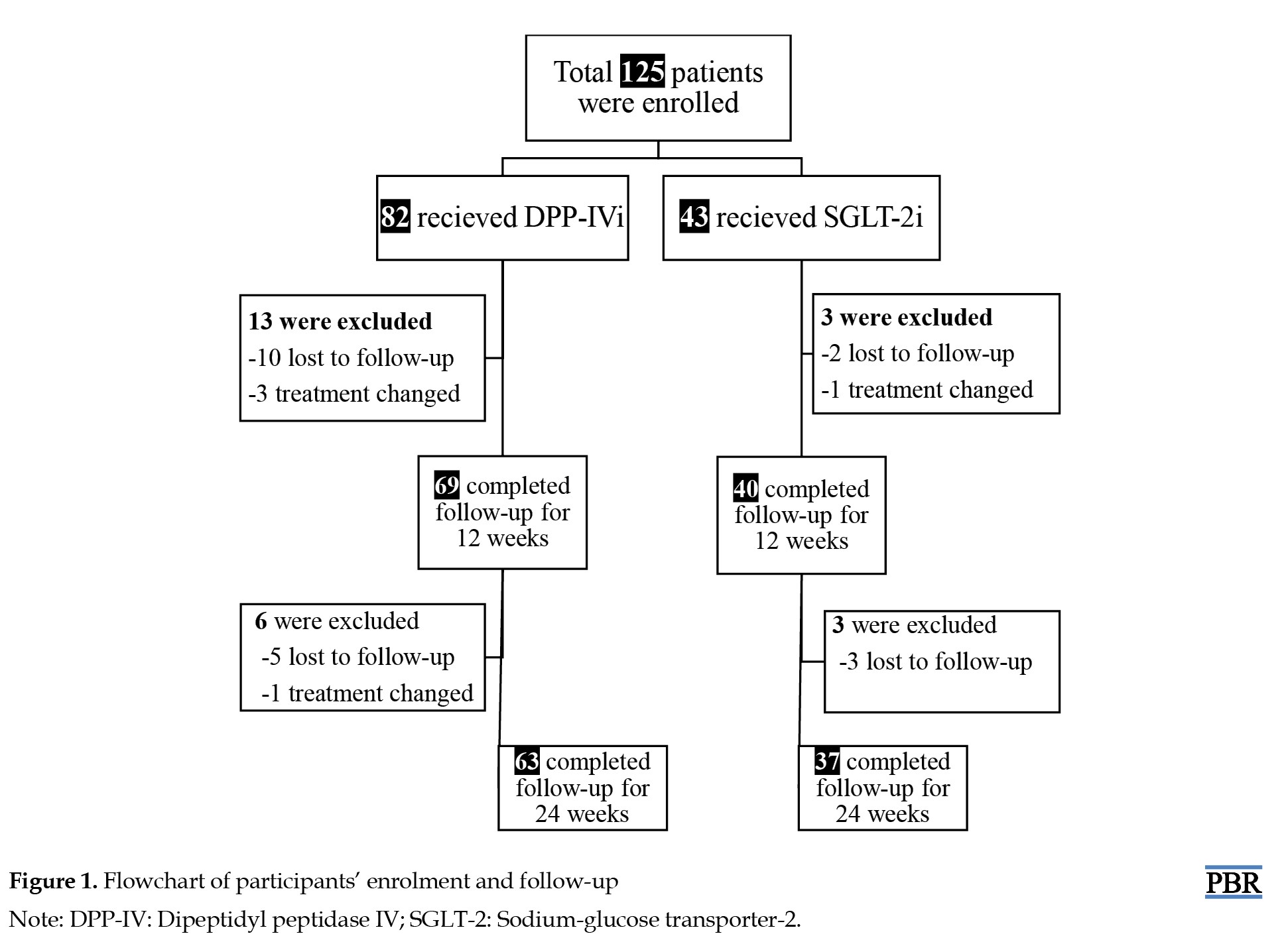
In this study, 125 patients of either gender were enrolled and analyzed according to their age, gender, disease diagnosis, and the treatment prescribed. As shown in Figure 1, a total of 109 patients completed the follow-up for 12 weeks, and 100 completed the follow-up for 24 weeks.
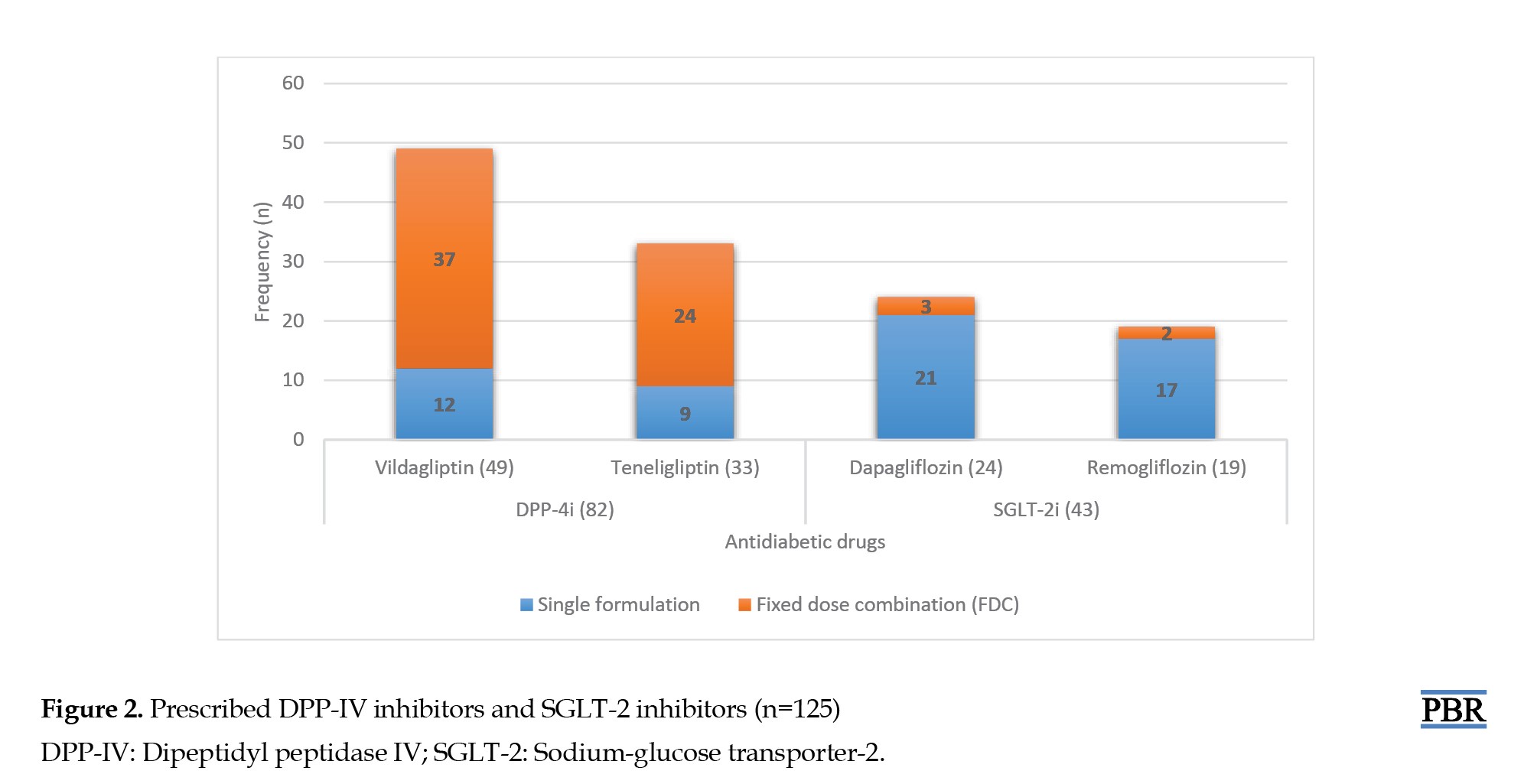
 Of 125 patients, 82 have been prescribed DPP-IV inhibitors (65.6%), and 43 were prescribed SGLT-2 inhibitors (34.4%). There was no any statistically significant difference in baseline characteristics between both groups (P<0.05). In the DPP-IVi group, 49 patients were treated with vildagliptin, and 33 were treated with teneligliptin. On the other hand, in the SGLT-2i group, 24 patients were prescribed dapagliflozin, and 19 were prescribed remogliflozin. In the SGLT-2i group, mostly a single drug formulation was prescribed (88.4%). While in the DPP-4i group, fixed-dose combinations (FDCs) were prescribed more than a single formulation (74.4%). In FDCs, both groups of drugs were combined with metformin (Figure 2).
 Metformin 500 mg twice a day was given to both groups.
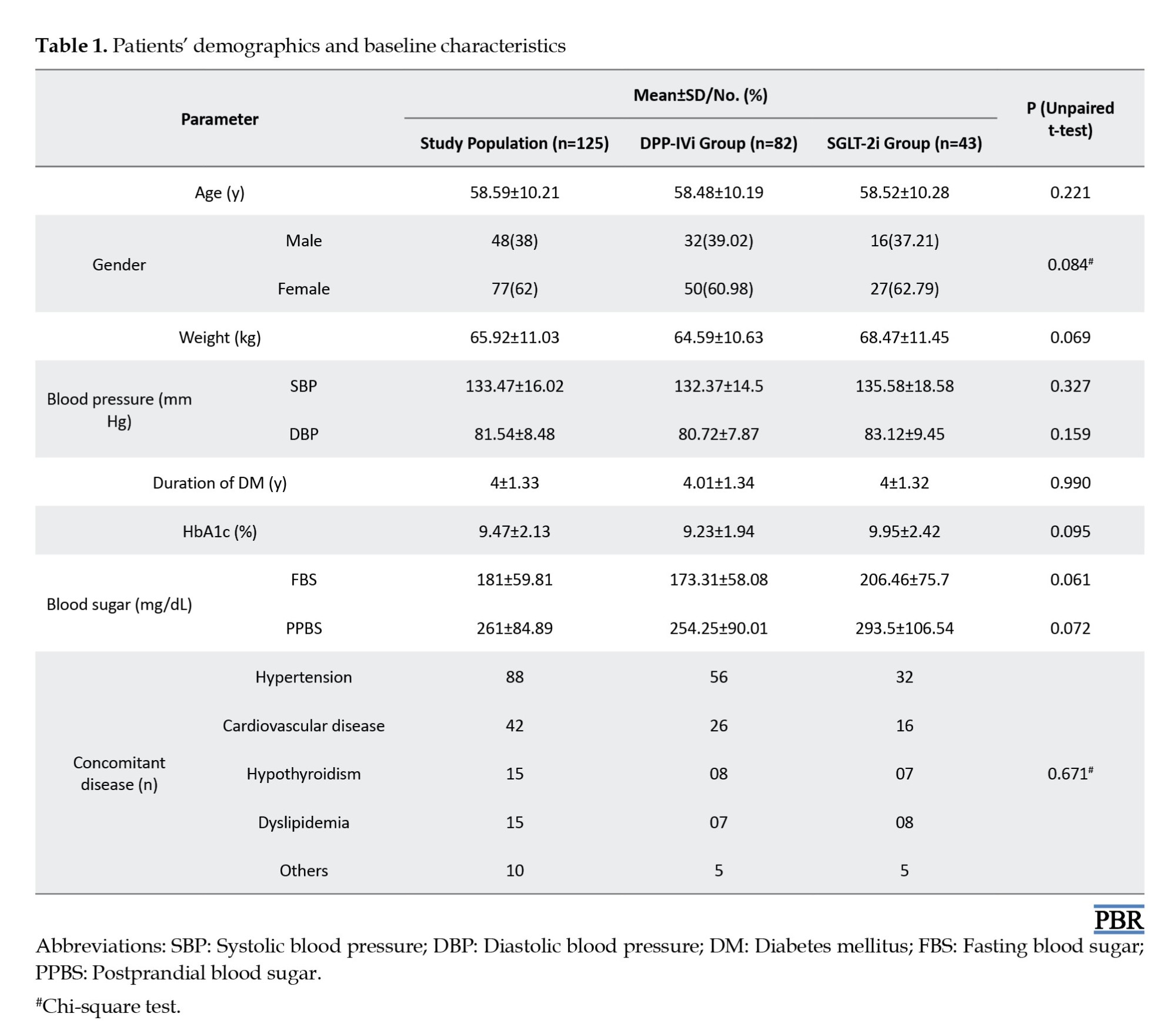
Baseline characteristics like mean age, gender, weight, blood pressure, HbA1c, fasting blood sugar (FBS), postprandial blood sugar (PPBS) and concomitant diseases are documented for both the DPP-IV inhibitor (DPP-IVi) group and the SGLT-2 inhibitor (SGLT-2i) group. The mean age of the patients in our study was 58.59±10.21 years. This number is similar to other studies where a figure of around 60 years of age has been the most common for patients with type 2 DM [9–11]. Hypertension was seen as the most common comorbidity in 70% of patients. This number is also reported by a study where most patients had hypertension [12]. In contrast, Ling et al. have reported dyslipidemia as the most common comorbidity in 72% of patients [13]. Hypertension is twice as frequent in patients with diabetes compared with those who do not have diabetes. Diabetes and hypertension are closely interlinked because of similar risk factors, such as endothelial dysfunction, vascular inflammation, arterial remodelling, atherosclerosis, dyslipidemia, and obesity [14] (Table 1).
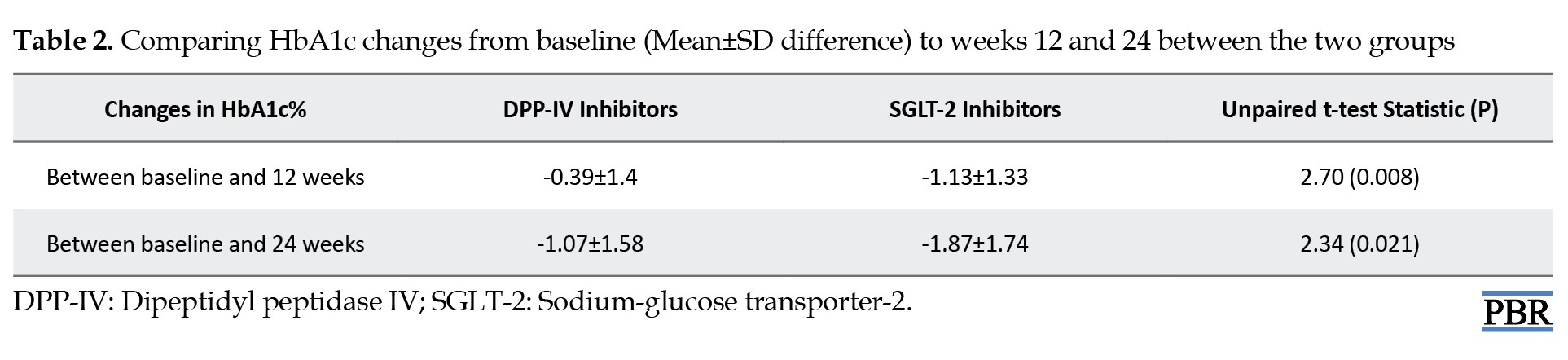
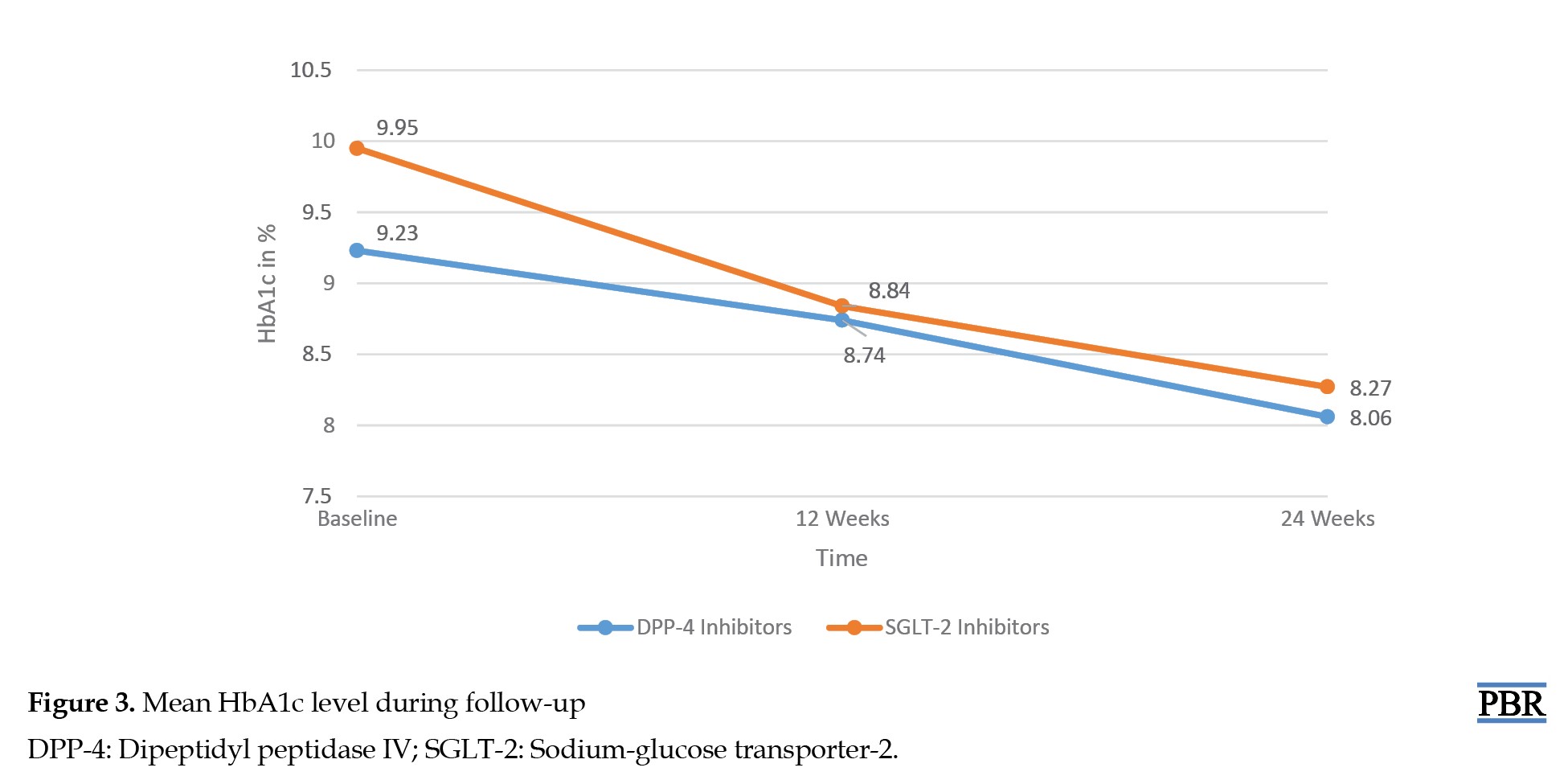
In our study, at 12 weeks, only SGLT-2i showed a statistically significant decrease in HbA1c level compared to the baseline value (mean difference [MD]=-1.13±1.33%, P=0.019). While at 24 weeks, both DPP-IVi and SGLT-2i showed a statistically significant decrease in HbA1c level compared to the baseline value (MD=-1.07±1.58, P<0.0001; -1.87±1.74, P<0.0001, respectively). As per the results, SGLT-2i had a more substantial decrease in HbA1c than DPP-IVi at weeks 12 and 24 (Table 2, Figure 3).
 In a similar type of study, there was a statistically significant reduction in HbA1c at ≥52 weeks, favouring SGLT-2i compared to DPP-IVi (MD [95% CI]=-0.11% [-0.2%, -0.03%]) but no significant difference at ≤26 weeks (MD [95% CI]= -0.05% [-0.16%, 0.05%]) [15]. In another similar type of study done by Scheen AJ et al., the HbA1c difference was slightly greater with SGLT-2i (−0.8±0.2% from 8.03±0.35%) than with DPP-IVi (−0.71±0.23% from 8.05±0.43%; P=0.0354) [16]. In contrast, a study conducted by Cha et al. shows no significant difference in the mean HbA1c between DPP-IVi and SGLT-2i at 24 weeks (8.3±1.1 vs 8±0.9%, P=0.110) [17]. However, recent head-to-head studies have suggested that SGLT2 inhibitors may result in a greater glucose-lowering effect than DPP-IV inhibitors in people having an HbA1c of around 9%. In contrast, for people with type 2 diabetes who have an HbA1c of around 7%, a DPP-IV inhibitor may achieve a greater glucose-lowering effect [18, 19]. Most of the studies have shown a greater reduction in HbA1c levels in SGLT-2 inhibitor-treated patients. So, we can say that SGLT-2 inhibitors have a better effect on HbA1c reduction compared to DPP-IV inhibitors.
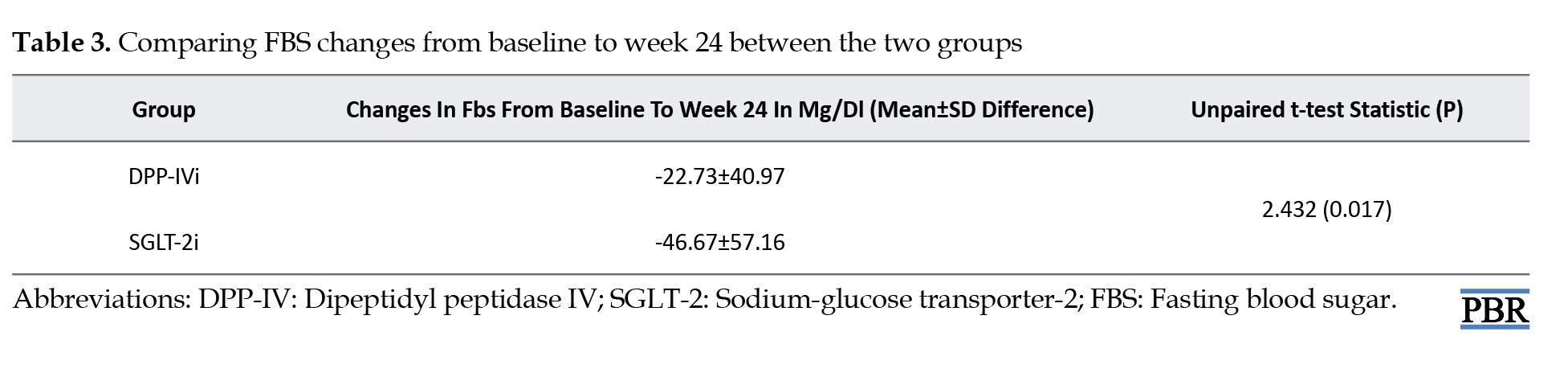
In our study, both DPP-IVi and SGLT-2i groups showed a significant decrease in FBS levels at 24 weeks (MD=-22.73±40.97, P=0.002; -46.67±57.16, P=0.003, respectively) (Figure 4).
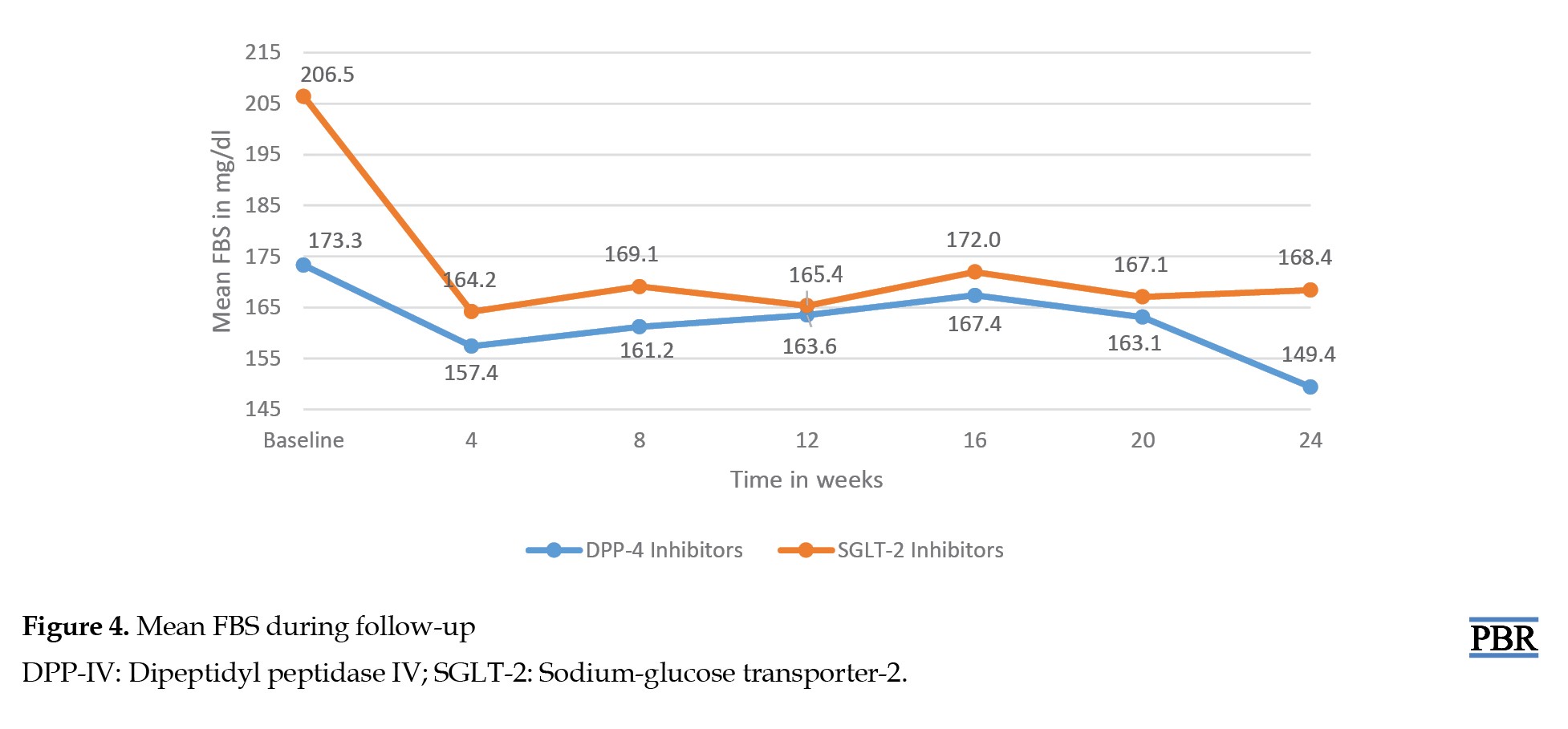 As mentioned in Table 3, SGLT-2i had a more substantial decrease in FBS than DPP-IVi at 24 weeks (P=0.017).
Similar results were found in a study conducted by Wang et al. where SGLT-2 inhibitors achieved greater reductions in fasting plasma glucose compared with DPP-IV inhibitors (Standardised MD -0.48; 95% CI, -0.56%, -0.41%; P<0.0001) [20]. In another similar study by Inoue et al. median reductions in FPG were -10.9% to -14.4% for SGLT2i and -9.6$ to -12.6% for DPP-IVi [8]. So, it can be concluded that SGLT-2i has a better reduction in FBS compared to DPP-IVi.
In our study, the mean change in PPBS from baseline to 24 weeks was statistically significant in both groups (Figure 5).
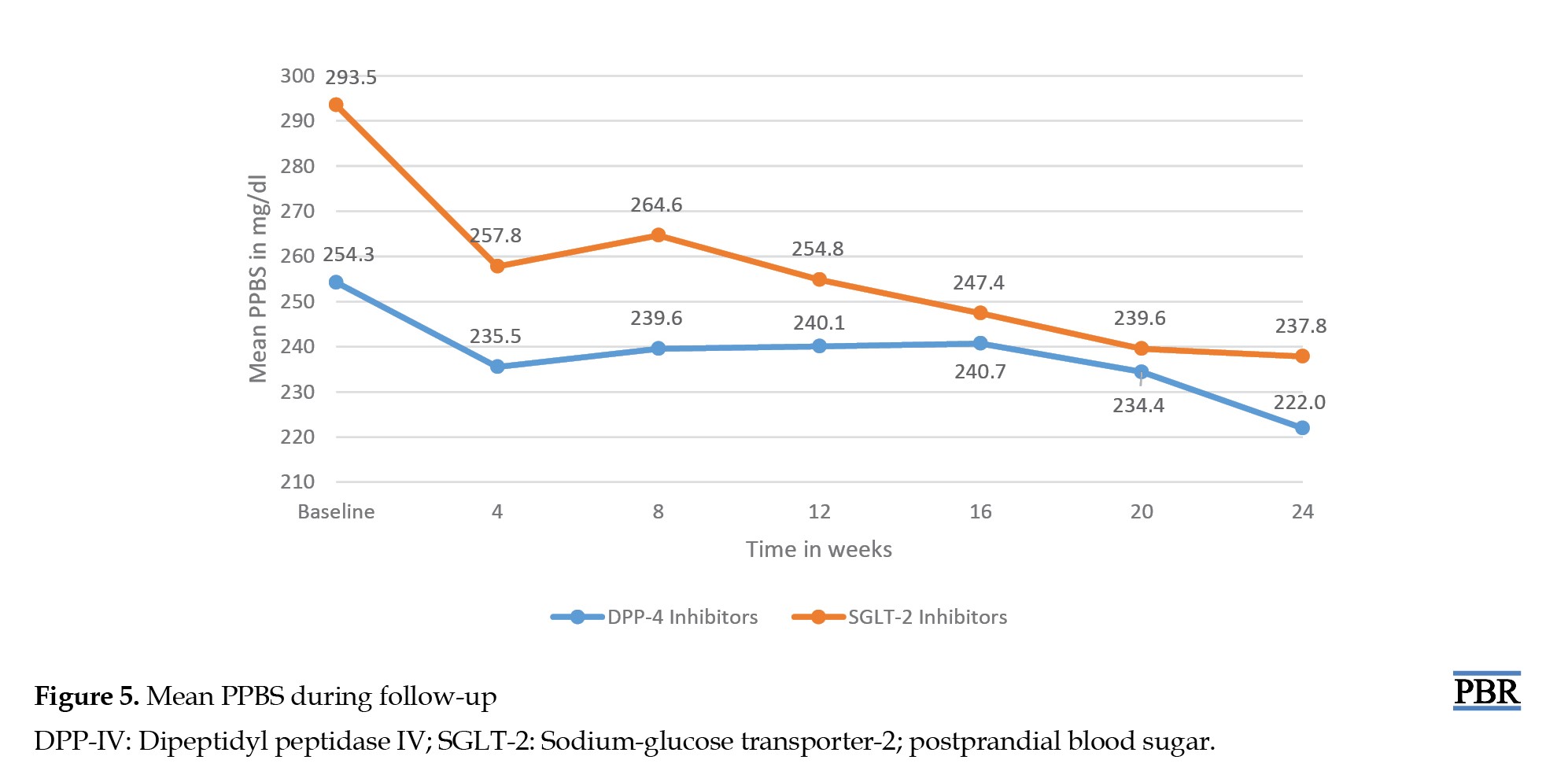 As mentioned in Table 4, SGLT-2i had a better effect on PPBS compared to DPP-IVi.
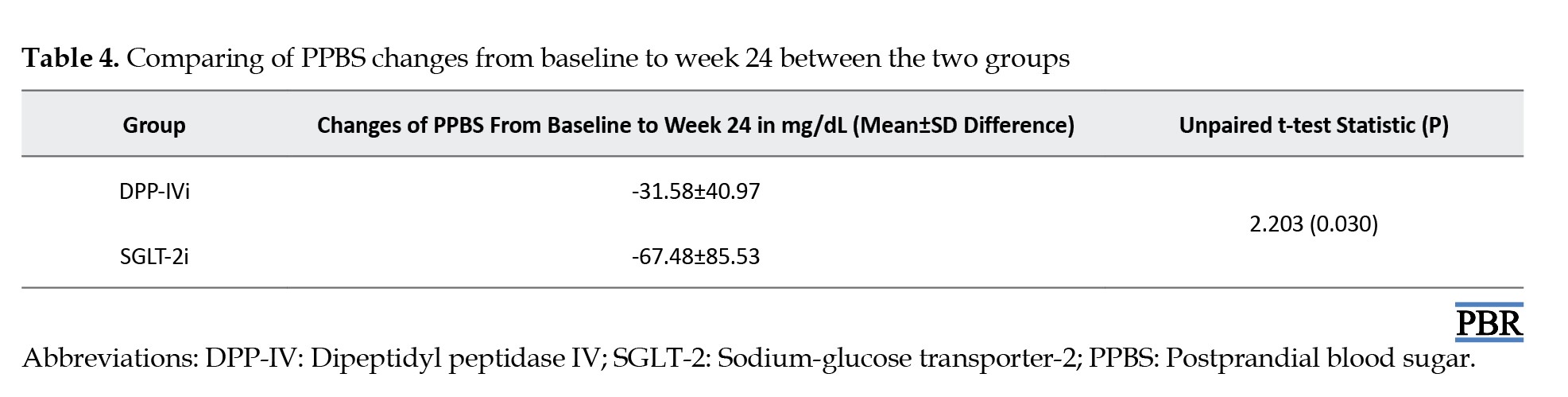
In a similar type of study done by Strojek et al. 2 h post-prandial glucose in response to an oral glucose tolerance test was reduced by 32 and 35 mg/dL with dapagliflozin 5 and 10 mg, respectively, whereas FPG was reduced by 21 and 28 mg/dL, respectively [21]. In a study by Choe et al. on the effect of DPP-IV inhibitors on metabolic parameters in patients with type 2 diabetes, there were changes in the PPG levels between baseline and 24 weeks in the sitagliptin group (MD= -45.3±72.4) [22].
In this study, we have found that drug-related adverse events were more common in the SGLT-2i group compared to the DPP-IVi group (46.5% vs 18.3%). Urinary tract infection (UTI) was the most common adverse event in the SGLT-2i group. While in the DPP-IVi group, gastrointestinal adverse events were common. Other adverse events, like dizziness and polyuria, were similar in both groups. There were no events of hypoglycaemia in either group, which is common with other antidiabetic drugs (Table 5).
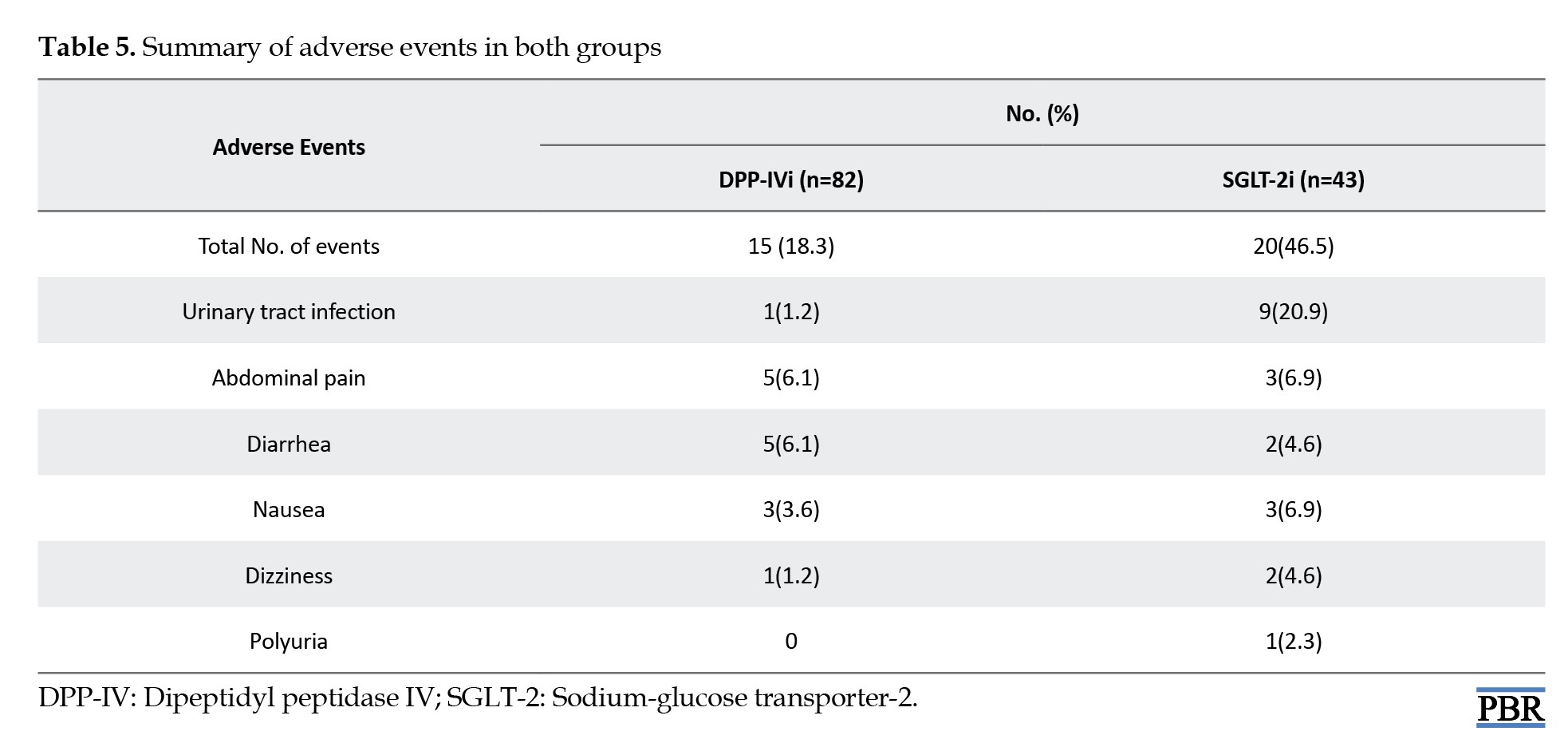
Similar studies noted that SGLT-2i-treated patients had significantly more urinary tract infections compared to DPP-IVi group [15, 23, 24]. The side effects of SGLT2 inhibitors are predictable from their mechanism of action. SGLT-2i exerts its glucose-lowering effect by down-regulating the glucose excretion threshold in the kidneys, thereby increasing glucose excretion through the urine. Patients with type 2 diabetes are already at an increased risk of urinary tract infections and genital infections due to an increased amount of glucose in the urine. That is why urinary tract and genital infections are common with SGLT-2i [25]. The most common adverse effects in patients receiving vildagliptin included headache, nasopharyngitis, cough, constipation, dizziness, and increased sweating [26]. Gastrointestinal events and dizziness were the most common ADRs following teneligliptin [27]. Reports of acute pancreatitis, including fatal and non-fatal hemorrhagic or necrotizing variants, have correlations with the use of sitagliptin, vildagliptin, and saxagliptin in postmarketing data [28]. However in our study, no serious adverse events were reported. 4 patients in the DPP-4i group and 1 patient in the SGLT-2i group discontinued due to adverse events.
Conclusion
SGLT-2 inhibitors provide better glycaemic control compared to DPP-IV inhibitors as an add-on therapy to metformin in type-2 diabetes, which was also evident in previous studies. Both SGLT-2 inhibitors and DPP-IV inhibitors can be used to treat patients with type 2 DM unable to achieve normoglycemia, as they are well tolerated, do not induce weight gain, and have a very low chance of hypoglycaemia. Though SGLT-2 inhibitors have shown better efficacy outcomes, their possible adverse drug reactions should be kept in mind by physicians.
Strengths and limitations
In this study, patients were followed up for a significant period of 6 months. We have also analyzed several investigations to check the efficacy outcomes. It can be useful for some to compare these trends of antidiabetic drug use in type 2 diabetic patients. This study might also be useful to revise hospital pharmacies and help physicians in deciding the proper treatment approach.
As far as the limitations are concerned, it was a single-centre study in a tertiary care teaching hospital, which may not reflect the scenario at other healthcare facilities. Due to physicians’ concerns, treatment allocation was not randomized. We have not assessed cardiovascular and renal outcomes in these patients during the study.
Ethical Considerations
Compliance with ethical guidelines
This study was approved by the Institutional Ethics Committee of GCS Medical College Hospital and Research Centre (DcGI Reg. No.: ECR/339/Inst/GJ/2013/RR-16).
Funding
This research did not receive any grant from funding agencies in the public, commercial, or non-profit sectors.
Authors' contributions
Conceptualization: Sumit Patel; Methodology and funding administration: Parth Patel; Data collection: Parth Patel, Xama Patel, and Zankrut Patel; Data analysis: Parth Patel and Zankrut Patel; Investigation: Xama Patel; Writing the original draft: Parth Patel; Review & editing: Zankrut Patel; Supervision: Akanksha Prajapati.
Conflict of interest
The authors declared no conflict of interest.
Acknowledgments
Special thanks to R.K. Dikshit for his guidance during selection of study topic. Gratitude Thanks to GCS Hospital for smooth conduction of the study.
References
Diabetes mellitus (DM) is a chronic disease that significantly burdens the healthcare system. Its prevalence is increasing worldwide, especially in developing countries like India. Globally, 537 million people are living with diabetes as of 2021, as per the International Federation of Diabetes, and its number is expected to rise to 784 million by 2045 [1]. In India, there are 77 million people with diabetes as of 2019, and this is expected to rise to 134 million by 2045. Over 90 % of these cases are of type 2 diabetes [2].
DM is a chronic metabolic disorder characterized by a high blood glucose concentration, hyperglycaemia, caused by insulin deficiency, often combined with insulin resistance. Impaired insulin secretion, insulin resistance, excessive hepatic glucose production, and abnormal fat metabolism are the solid pathophysiological bases for developing type 2 DM [3].
Oral antidiabetic drugs are preferred to maintain blood glucose levels within the normal range in patients with type 2 DM. Most international guidelines recommend the use of metformin together with lifestyle changes as the first line of management in newly diagnosed type 2 diabetes patients. If the HbA1c target is not achieved after giving monotherapy, then sequential add-on treatment should be started. Discrepancies between the guidelines mainly relate to the recommendations for second-line agents. Among second-line agents, sulfonylureas (SUs) are the oldest non-insulin glucose-lowering drugs [4]. Over the last decade, several new antidiabetic drugs have been introduced, enabling physicians to tailor therapy for each patient [5].
The newer antidiabetic drugs like dipeptidyl peptidase-IV (DPP-IV) inhibitors and sodium-glucose transporter-2 (SGLT-2) inhibitors are prescribed nowadays as add-on therapy in type-2 diabetic patients. Oral glucose releases incretins like GLP-1 (glucagon-like peptide-1), which amplify glucose-induced insulin release. DPP-IV is an endogenous enzyme that cleaves and inactivates GLP-1. The DPP-IV inhibitors thus prolong the half-life of endogenous GLP-1 by inhibiting DPP-IV. These drugs increase circulating GLP-1 and insulin concentrations and decrease glucagon concentration. DPP-IV inhibitors monotherapy has been demonstrated to improve glycaemic control and β-cell function with a low risk of hypoglycaemia or gastrointestinal side effects and no weight gain [6]. SGLT-2 inhibitors block SGLT-2 transporters in the kidney and inhibit glucose reabsorption from the renal tubules. Current studies have shown significant improvement in glycemic control, cardiovascular outcomes, and metabolic parameters in patients with type 2 diabetes [7].
DPP-IV inhibitors and SGLT-2 inhibitors, which have novel mechanisms of action, are less likely to cause weight gain and hypoglycaemia; therefore, the use of these drugs is increasing [8]. It is essential to confirm which drug is more appropriate as an add-on therapy to metformin in diabetic patients. So, this study was carried out with a primary objective to compare the effect of DPP-IV inhibitors and SGLT-2 inhibitors on HbA1c levels in type 2 diabetic patients in the western part of India.
Materials and Methods
A prospective, observational, comparative study was conducted to evaluate the efficacy and safety of DPP-IV inhibitors and SGLT-2 inhibitors as an add-on therapy to metformin in patients with type 2 DM at GCS Hospital, Ahmedabad, India, from November 2020 to October 2022. Patients of type-2 DM≥18 years of age and of either gender attending the department of General Medicine, whose glycemic control is not achieved satisfactorily by metformin and who require DPP-IV inhibitors / SGLT-2 inhibitors as an add-on therapy, willing to participate and giving written informed consent were consecutively enrolled. Patients taking insulin therapy or being prescribed both DPP-IV inhibitors as well as SGLT-2 inhibitors simultaneously as an add-on therapy were excluded. As, it was a prospective observational study, all patients who fulfilled the study criteria and came to the department of General Medicine between November 2020 to October 2022 were consecutively enrolled without a predefined sample size. Patients were prescribed either DPP-IV inhibitor or SGLT-2 inhibitor based on physician’s decision. After recruitment, each patient was followed up at 4-week intervals up to 24 weeks. Details of the prescribed treatment and investigations were recorded at each visit. Before starting the study, ethical approval was obtained from the institutional ethics committee. A descriptive statistical analysis was carried out using Microsoft Excel 2021. The primary endpoint was to determine the changes in HbA1c levels at 12 and 24 weeks. HbA1c changes were analyzed using a paired t test at 12 and 24 weeks in both study groups. An unpaired t test was applied to check the difference in changes of HbA1c from baseline to weeks 12 and 24 between the two study groups.
Results and Discussion
In this study, 125 patients of either gender were enrolled and analyzed according to their age, gender, disease diagnosis, and the treatment prescribed. As shown in Figure 1, a total of 109 patients completed the follow-up for 12 weeks, and 100 completed the follow-up for 24 weeks.
Baseline characteristics like mean age, gender, weight, blood pressure, HbA1c, fasting blood sugar (FBS), postprandial blood sugar (PPBS) and concomitant diseases are documented for both the DPP-IV inhibitor (DPP-IVi) group and the SGLT-2 inhibitor (SGLT-2i) group. The mean age of the patients in our study was 58.59±10.21 years. This number is similar to other studies where a figure of around 60 years of age has been the most common for patients with type 2 DM [9–11]. Hypertension was seen as the most common comorbidity in 70% of patients. This number is also reported by a study where most patients had hypertension [12]. In contrast, Ling et al. have reported dyslipidemia as the most common comorbidity in 72% of patients [13]. Hypertension is twice as frequent in patients with diabetes compared with those who do not have diabetes. Diabetes and hypertension are closely interlinked because of similar risk factors, such as endothelial dysfunction, vascular inflammation, arterial remodelling, atherosclerosis, dyslipidemia, and obesity [14] (Table 1).
In our study, at 12 weeks, only SGLT-2i showed a statistically significant decrease in HbA1c level compared to the baseline value (mean difference [MD]=-1.13±1.33%, P=0.019). While at 24 weeks, both DPP-IVi and SGLT-2i showed a statistically significant decrease in HbA1c level compared to the baseline value (MD=-1.07±1.58, P<0.0001; -1.87±1.74, P<0.0001, respectively). As per the results, SGLT-2i had a more substantial decrease in HbA1c than DPP-IVi at weeks 12 and 24 (Table 2, Figure 3).
In our study, both DPP-IVi and SGLT-2i groups showed a significant decrease in FBS levels at 24 weeks (MD=-22.73±40.97, P=0.002; -46.67±57.16, P=0.003, respectively) (Figure 4).
Similar results were found in a study conducted by Wang et al. where SGLT-2 inhibitors achieved greater reductions in fasting plasma glucose compared with DPP-IV inhibitors (Standardised MD -0.48; 95% CI, -0.56%, -0.41%; P<0.0001) [20]. In another similar study by Inoue et al. median reductions in FPG were -10.9% to -14.4% for SGLT2i and -9.6$ to -12.6% for DPP-IVi [8]. So, it can be concluded that SGLT-2i has a better reduction in FBS compared to DPP-IVi.
In our study, the mean change in PPBS from baseline to 24 weeks was statistically significant in both groups (Figure 5).
In a similar type of study done by Strojek et al. 2 h post-prandial glucose in response to an oral glucose tolerance test was reduced by 32 and 35 mg/dL with dapagliflozin 5 and 10 mg, respectively, whereas FPG was reduced by 21 and 28 mg/dL, respectively [21]. In a study by Choe et al. on the effect of DPP-IV inhibitors on metabolic parameters in patients with type 2 diabetes, there were changes in the PPG levels between baseline and 24 weeks in the sitagliptin group (MD= -45.3±72.4) [22].
In this study, we have found that drug-related adverse events were more common in the SGLT-2i group compared to the DPP-IVi group (46.5% vs 18.3%). Urinary tract infection (UTI) was the most common adverse event in the SGLT-2i group. While in the DPP-IVi group, gastrointestinal adverse events were common. Other adverse events, like dizziness and polyuria, were similar in both groups. There were no events of hypoglycaemia in either group, which is common with other antidiabetic drugs (Table 5).
Similar studies noted that SGLT-2i-treated patients had significantly more urinary tract infections compared to DPP-IVi group [15, 23, 24]. The side effects of SGLT2 inhibitors are predictable from their mechanism of action. SGLT-2i exerts its glucose-lowering effect by down-regulating the glucose excretion threshold in the kidneys, thereby increasing glucose excretion through the urine. Patients with type 2 diabetes are already at an increased risk of urinary tract infections and genital infections due to an increased amount of glucose in the urine. That is why urinary tract and genital infections are common with SGLT-2i [25]. The most common adverse effects in patients receiving vildagliptin included headache, nasopharyngitis, cough, constipation, dizziness, and increased sweating [26]. Gastrointestinal events and dizziness were the most common ADRs following teneligliptin [27]. Reports of acute pancreatitis, including fatal and non-fatal hemorrhagic or necrotizing variants, have correlations with the use of sitagliptin, vildagliptin, and saxagliptin in postmarketing data [28]. However in our study, no serious adverse events were reported. 4 patients in the DPP-4i group and 1 patient in the SGLT-2i group discontinued due to adverse events.
Conclusion
SGLT-2 inhibitors provide better glycaemic control compared to DPP-IV inhibitors as an add-on therapy to metformin in type-2 diabetes, which was also evident in previous studies. Both SGLT-2 inhibitors and DPP-IV inhibitors can be used to treat patients with type 2 DM unable to achieve normoglycemia, as they are well tolerated, do not induce weight gain, and have a very low chance of hypoglycaemia. Though SGLT-2 inhibitors have shown better efficacy outcomes, their possible adverse drug reactions should be kept in mind by physicians.
Strengths and limitations
In this study, patients were followed up for a significant period of 6 months. We have also analyzed several investigations to check the efficacy outcomes. It can be useful for some to compare these trends of antidiabetic drug use in type 2 diabetic patients. This study might also be useful to revise hospital pharmacies and help physicians in deciding the proper treatment approach.
As far as the limitations are concerned, it was a single-centre study in a tertiary care teaching hospital, which may not reflect the scenario at other healthcare facilities. Due to physicians’ concerns, treatment allocation was not randomized. We have not assessed cardiovascular and renal outcomes in these patients during the study.
Ethical Considerations
Compliance with ethical guidelines
This study was approved by the Institutional Ethics Committee of GCS Medical College Hospital and Research Centre (DcGI Reg. No.: ECR/339/Inst/GJ/2013/RR-16).
Funding
This research did not receive any grant from funding agencies in the public, commercial, or non-profit sectors.
Authors' contributions
Conceptualization: Sumit Patel; Methodology and funding administration: Parth Patel; Data collection: Parth Patel, Xama Patel, and Zankrut Patel; Data analysis: Parth Patel and Zankrut Patel; Investigation: Xama Patel; Writing the original draft: Parth Patel; Review & editing: Zankrut Patel; Supervision: Akanksha Prajapati.
Conflict of interest
The authors declared no conflict of interest.
Acknowledgments
Special thanks to R.K. Dikshit for his guidance during selection of study topic. Gratitude Thanks to GCS Hospital for smooth conduction of the study.
References
- Magliano DJ, Boyko EJ. IDF diabetes atlas. Brussels: International Diabetes Federation; 2021. [Link]
- Patterson CC, Karuranga S, Salpea P, Saeedi P, Dahlquist G, Soltesz G, et al. Worldwide estimates of incidence, prevalence and mortality of type 1 diabetes in children and adolescents: Results from the International Diabetes Federation Diabetes Atlas, 9th edition. Diabetes Res Clin Pract. 2019; 157:107842. [DOI:10.1016/j.diabres.2019.107842] [PMID]
- Galicia-Garcia U, Benito-Vicente A, Jebari S, Larrea-Sebal A, Siddiqi H, Uribe KB, et al. Pathophysiology of Type 2 Diabetes Mellitus. Int J Mol Sci. 2020; 21(17):6275. [DOI:10.3390/ijms21176275] [PMID]
- Al-Saleh Y, Sabico S, Al-Furqani A, Jayyousi A, Alromaihi D, Ba-Essa E, et al. Sulfonylureas in the current practice of type 2 diabetes management: are they all the same? Consensus from the gulf cooperation council (GCC) countries advisory board on sulfonylureas. Diabetes Ther. 2021; 12(8):2115-32. [DOI:10.1007/s13300-021-01059-1] [PMID]
- Wong HK, Ong KL, Cheung CL, Cheung BM. Utilization of glucose, blood pressure, and lipid lowering medications among people with type II diabetes in the United States, 1999-2010. Ann Epidemiol. 2014; 24(7):516-21.e1. [DOI:10.1016/j.annepidem.2014.05.001] [PMID]
- Aschner P, Katzeff HL, Guo H, Sunga S, Williams-Herman D, Kaufman KD, et al. Efficacy and safety of monotherapy of sitagliptin compared with metformin in patients with type 2 diabetes. Diabetes Obes Metab. 2010; 12(3):252-61. [DOI:10.1111/j.1463-1326.2009.01187.x] [PMID]
- Padda IS, Mahtani AU, Parmar M. Sodium-glucose transport protein 2 (SGLT2) inhibitors. Treasure Island: StatPearls; 2022. [PMID]
- Inoue H, Tamaki Y, Kashihara Y, Muraki S, Kakara M, Hirota T, et al. Efficacy of DPP-4 inhibitors, GLP-1 analogues, and SGLT2 inhibitors as add-ons to metformin monotherapy in T2DM patients: A model-based meta-analysis. Br J Clin Pharmacol. 2019; 85(2):393-402. [DOI:10.1111/bcp.13807] [PMID]
- Huang CH, Huang YY, Hsu BR. A short-term follow-up of glycemic and body weight changes in diabetic patients who replaced dipeptidyl peptidase-4 inhibitors with the sodium-glucose cotransporter 2. Ann Saudi Med. 2018; 38(6):420-426. [DOI:10.5144/0256-4947.2018.420] [PMID]
- Martínez-Vizcaíno V, Díez-Fernández A, Álvarez-Bueno C, Martínez-Alfonso J, Cavero-Redondo I. Safety and efficacy of SGLT2 inhibitors: A multiple-treatment meta-analysis of clinical decision indicators. J Clin Med. 2021; 10(12):2713. [DOI:10.3390/jcm10122713] [PMID]
- Mirabelli M, Chiefari E, Caroleo P, Vero R, Brunetti FS, Corigliano DM, et al. Long-term effectiveness and safety of SGLT-2 inhibitors in an Italian cohort of patients with type 2 diabetes mellitus. J Diabetes Res. 2019; 2019:3971060. [DOI:10.1155/2019/3971060] [PMID]
- Thein D, Christiansen MN, Mogensen UM, Bundgaard JS, Rørth R, Madelaire C, et al. Add-on therapy in metformin-treated patients with type 2 diabetes at moderate cardiovascular risk: a nationwide study. Cardiovasc Diabetol. 2020; 19(1):107. [DOI:10.1186/s12933-020-01078-5] [PMID]
- Ling AW, Chan CC, Chen SW, Kao YW, Huang CY, Chan YH, et al. The risk of new-onset atrial fibrillation in patients with type 2 diabetes mellitus treated with sodium glucose cotransporter 2 inhibitors versus dipeptidyl peptidase-4 inhibitors. Cardiovasc Diabetol. 2020; 19(1):188. [DOI:10.1186/s12933-020-01162-w] [PMID]
- Petrie JR, Guzik TJ, Touyz RM. Diabetes, hypertension, and cardiovascular disease: Clinical insights and vascular mechanisms. Can J Cardiol. 2018; 34(5):575-84. [DOI:10.1016/j.cjca.2017.12.005] [PMID]
- Mishriky BM, Tanenberg RJ, Sewell KA, Cummings DM. Comparing SGLT-2 inhibitors to DPP-4 inhibitors as an add-on therapy to metformin in patients with type 2 diabetes: A systematic review and meta-analysis. Diabetes Metab. 2018; 44(2):112-20. [DOI:10.1016/j.diabet.2018.01.017] [PMID]
- Scheen AJ. Reduction in HbA1c with SGLT2 inhibitors vs. DPP-4 inhibitors as add-ons to metformin monotherapy according to baseline HbA1c: A systematic review of randomized controlled trials. Diabetes Metab. 2020; 46(3):186-96. [DOI:10.1016/j.diabet.2020.01.002] [PMID]
- Cha SA, Park YM, Yun JS, Lim TS, Song KH, Yoo KD, et al. A comparison of effects of DPP-4 inhibitor and SGLT2 inhibitor on lipid profile in patients with type 2 diabetes. Lipids Health Dis. 2017; 16(1):58. [DOI:10.1186/s12944-017-0443-4] [PMID]
- Rosenstock J, Hansen L, Zee P, Li Y, Cook W, Hirshberg B, et al. Dual add-on therapy in type 2 diabetes poorly controlled with metformin monotherapy: a randomized double-blind trial of saxagliptin plus dapagliflozin addition versus single addition of saxagliptin or dapagliflozin to metformin. Diabetes Care. 2015; 38(3):376-83. [DOI:10.2337/dc14-1142] [PMID]
- DeFronzo RA, Lewin A, Patel S, Liu D, Kaste R, Woerle HJ, et al. Combination of empagliflozin and linagliptin as second-line therapy in subjects with type 2 diabetes inadequately controlled on metformin. Diabetes Care. 2015; 38:384-93. [DOI:10.2337/dc14-2364] [PMID]
- Wang Z, Sun J, Han R, Fan D, Dong X, Luan Z, et al. Efficacy and safety of sodium-glucose cotransporter-2 inhibitors versus dipeptidyl peptidase-4 inhibitors as monotherapy or add-on to metformin in patients with type 2 diabetes mellitus: A systematic review and meta-analysis. Diabetes Obes Metab. 2018; 20:113-20. [DOI:10.1111/dom.13047] [PMID]
- Strojek K, Yoon KH, Hruba V, Sugg J, Langkilde AM, Parikh S. Dapagliflozin added to glimepiride in patients with type 2 diabetes mellitus sustains glycemic control and weight loss over 48 weeks: A randomized, double-blind, parallel-group, placebo-controlled trial. Diabetes Ther. 2014; 5:267-83. [DOI:10.1007/s13300-014-0072-0] [PMID]
- Choe EY, Cho Y, Choi Y, Yun Y, Wang HJ, Kwon O, et al. The effect of DPP-4 inhibitors on metabolic parameters in patients with type 2 diabetes. Diabetes Metab J. 2014; 38:211-9. [DOI:10.4093/dmj.2014.38.3.211] [PMID]
- Tentolouris A, Vlachakis P, Tzeravini E, Eleftheriadou I, Tentolouris N. SGLT2 inhibitors: A review of their antidiabetic and cardioprotective effects. Int J Environ Res Public Health. 2019; 16(16):2965. [DOI:10.3390/ijerph16162965] [PMID]
- Puckrin R, Saltiel MP, Reynier P, Azoulay L, Yu OHY, Filion KB. SGLT-2 inhibitors and the risk of infections: A systematic review and meta-analysis of randomized controlled trials. Acta Diabetol. 2018; 55:503-14. [DOI:10.1007/s00592-018-1116-0] [PMID]
- Dave C V., Schneeweiss S, Kim D, Fralick M, Tong A, Patorno E. Sodium-glucose cotransporter-2 inhibitors and the risk for severe urinary tract infections. Ann Intern Med. 2019; 171:248-56. [DOI:10.7326/M18-3136] [PMID]
- Lauster CD, McKaveney TP, Muench SV. Vildagliptin: A novel oral therapy for type 2 diabetes mellitus. Am J Health Syst Pharm. 2007; 64(12):1265-73. [DOI:10.2146/ajhp060564] [PMID]
- Kadowaki T, Haneda M, Ito H, Sasaki K, Yamada Y. Long-term safety and efficacy of teneligliptin in elderly patients with type 2 diabetes: Subgroup analysis of a 3-year post-marketing surveillance in Japan. Adv Ther. 2020; 37(5):2477-92. [DOI:10.1007/s12325-020-01306-0] [PMID]
- Karagiannis T, Boura P, Tsapas A. Safety of dipeptidyl peptidase 4 inhibitors: A perspective review. Ther Adv Drug Saf. 2014; 5(3):138-46. [DOI:10.1177/2042098614523031] [PMID]
Type of Study: Original Research |
Subject:
Pharmacology
| Rights and permissions | |
 |
This work is licensed under a Creative Commons Attribution-NonCommercial 4.0 International License. |


This is an open access article distributed under the terms of the Creative Commons Attribution License (CC-By-NC), which permits use, distribution, and reproduction in any medium, provided the original work is properly cited and is not used for commercial purposes.
Contact Information