

Volume 11, Issue 3 (2025)
Pharm Biomed Res 2025, 11(3): 237-250 |
Back to browse issues page


Download citation:
BibTeX | RIS | EndNote | Medlars | ProCite | Reference Manager | RefWorks
Send citation to:


BibTeX | RIS | EndNote | Medlars | ProCite | Reference Manager | RefWorks
Send citation to:
Hatampour H, Jamshidi H R, Aghazadeh-Habashi K, Rafatmagham S, Farnaghi F, Ghasemirad H, et al . Clinical and Prognostic Findings in Psychotropic Substance Poisoning: A Cross-sectional Study. Pharm Biomed Res 2025; 11 (3) :237-250
URL: http://pbr.mazums.ac.ir/article-1-660-en.html
URL: http://pbr.mazums.ac.ir/article-1-660-en.html
Hanieh Hatampour1 

 , Hamid Reza Jamshidi1 , Komeil Aghazadeh-Habashi2 , Sareh Rafatmagham3 , Farhad Farnaghi4 , Hamidreza Ghasemirad5 , Mehrnoush Giahi Yazdi6 , Mohsen Jabari1 , Khashayar Moravej7 , Hamid Owliaey *8
, Hamid Reza Jamshidi1 , Komeil Aghazadeh-Habashi2 , Sareh Rafatmagham3 , Farhad Farnaghi4 , Hamidreza Ghasemirad5 , Mehrnoush Giahi Yazdi6 , Mohsen Jabari1 , Khashayar Moravej7 , Hamid Owliaey *8
1- Department of Pharmacology, School of Pharmacy, Shahid Sadoughi University of Medical Sciences, Yazd, Iran.
2- Student Research Committee, Tabriz University of Medical Sciences, Tabriz, Iran.
3- Department of Internal Medicine, Fasa University of Medical Sciences, Fasa, Iran.
4- Department of Psychiatry, School of Medicine, Tehran University of Medical Sciences, Tehran, Iran.
5- Student Research Committee, Shahid Sadoughi University of Medical Sciences, Yazd, Iran.
6- Social Security Organization of Yazd, Yazd, Iran.
7- Faculty of Dentistry, Isfahan Branch, Islamic Azad University, Isfahan, Iran.
8- Department of Forensic Medicine & Clinical Toxicology, Yazd Branch, Islamic Azad University, Yazd, Iran.
2- Student Research Committee, Tabriz University of Medical Sciences, Tabriz, Iran.
3- Department of Internal Medicine, Fasa University of Medical Sciences, Fasa, Iran.
4- Department of Psychiatry, School of Medicine, Tehran University of Medical Sciences, Tehran, Iran.
5- Student Research Committee, Shahid Sadoughi University of Medical Sciences, Yazd, Iran.
6- Social Security Organization of Yazd, Yazd, Iran.
7- Faculty of Dentistry, Isfahan Branch, Islamic Azad University, Isfahan, Iran.
8- Department of Forensic Medicine & Clinical Toxicology, Yazd Branch, Islamic Azad University, Yazd, Iran.
Full-Text [PDF 692 kb]
(408 Downloads)
| Abstract (HTML) (1460 Views)
Full-Text: (347 Views)
Introduction
The abuse of psychoactive substances, including stimulants and hallucinogens, is a crucial social problem associated with mental and physical disorders, as well as economic and social consequences [1-3]. Stimulants are substances that stimulate the central nervous system. Currently, there are approximately 1300 types of stimulants worldwide, of which amphetamine compounds, methamphetamine (glass), and cocaine products are the most widely used [2-5]. These substances are particularly concerning due to the severe side effects associated with their abuse, and, they are sometimes used in attempts to commit suicide [4-6].
Amphetamines enhance brain monoamine neurotransmitters, including adrenaline, norepinephrine, serotonin, and dopamine. Nervousness inhibits monoamine oxidase. This enzyme destroys neurotransmitters, but their suppression allows them to survive and boost brain concentration. Dopamine is the main neurotransmitter used to create amphetamine and other effects [7]. Meth was first manufactured in Japan in 1893. Transparent crystalline grains of methamphetamine, known as “glass” in Iran, are accessible as powders or single crystals [8]. Methamphetamine misuse includes oral, inhaled, injected, and smoked [9]. This drug’s effects vary by route of administration, with oral and inhaled formulations causing fewer symptoms [8]. Methamphetamine and cocaine use can cause tachycardia, hallucinations, irritability, mydriasis, nausea, vomiting, and diarrhoea [8, 10]. Short-term glass consumption can also cause hallucinations, talkativeness, dilated pupils, excitation, restlessness, tremors, delusions, fancies, and an elevated heart rate. Other symptoms include palpitations, raised blood pressure (BP), sweating, lack of appetite, dry nose, lips, and mouth, breathing difficulties, and grandiosity, which can cause aggression, agitation, and erratic movements [1]. Amphetamine is in numerous slimming products, and some sporting groups have misused it [11]. Ritalin (methylphenidate), an amphetamine derivative, may have been abused in recent years, notably by students to stay awake during exams, which has led to addiction [12]. Ritalin raises heart rate. Similar to cocaine and amphetamines, Ritalin inhalation can cause agitation, hazardous behavior, paranoia, and psychosis [13]. Stimulants boost energy, exhilaration, and happiness in the short term. However, long-term usage can cause starvation, psychosis, anxiety, severe sadness, and suicidal thoughts. Chronic usage can also cause dreadful nightmares, mental confusion, lethargy, excessive exhaustion, panic, disorientation, loss of temporal and geographical awareness, poor intellectual concentration, and pessimism [8, 9]. Psychoactive hallucinogens dramatically influence perception, emotion, and cognition. Hallucinogens are classified as “classical serotonergic hallucinogens” or “psychoactive drugs” and “operating room anesthetics”. Hashish, produced from the hemp plant (Cannabis sativa), is a popular psychedelic that goes by many names [14].
Also, the accidental and intentional consumption of some plants, especially in children, leads to hallucinations, the most important of which is the Datura plant (Datura stramonium L [known as tatura]) and the consumption of the seeds inside the prickly sticks leads to severe anticholinergic symptoms [15]. Psilocybin and lysergic acid diethylamide (LSD) are also known as classical hallucinogens, and their abuse is rarely observed in patients in emergency room. Anesthetics, such as ketamine, are one of the crucial hallucinogens that are used as anesthetics in the operating room. Recently, their abuse has increased, and they affect the glutamatergic system. However, classical hallucinogenic drugs (such as psilocybin and LSD) exert their medicinal effects mainly through the 5-HT2A system and act as agonists of the 5-HT2A receptor [16, 17]. Although LSD is about 100 times stronger than psilocybin, the two have similar physiological, pharmacological, and clinical effects. The adrenergic effects of these drugs are usually mild and can lead to sympathetic arousal, which leads to dilated pupils, tachycardia, high BP and hyperreflexia. Although cardiovascular complications are rarely serious, supraventricular tachycardia and myocardial infarction have been reported [17]. A study showed that LSD and 3,4 methylenedioxymethamphetamine (MDMA) (the active compound in ecstasy) increased the heart rate more than D-amphetamine increases. In contrast, D-amphetamine increases BP in people more than LSD and MDMA [18]. However, another study reported that LSD increases BP, heart rate, body temperature, and pupil size [19].
Given the increasing prevalence of psychoactive substance use and associated complications, a comprehensive evaluation of the clinical and prognostic characteristics of affected individuals is essential. This study aimed to analyze such findings among patients at two referral hospitals in Yazd, Iran, from 2014 to 2023.
Materials and Methods
Inclusion and exclusion criteria
All patients with psychedelic poisoning with psychotropic substances, including stimulants, such as cocaine, glass, amphetamine, or hallucinogens, such as LSD, Datura, and hashish, who were referred to Shah Vali Hospital, Yazd, Iran, and Shahid Beheshti Taft Hospital, Taft, Yazd, Iran between 2013 and 2022, and whose history and examination were consistent with the symptoms of poisoning were included in this retrospective cross-sectional study.
Patients with diagnoses other than psychotropic intoxication or poisoning with an unknown agent and those with incomplete medical records were excluded from the study.
Data collection
Demographic characteristics and clinical findings of the patients were extracted from their medical records and hospital information system (HIS). These clinical findings included neurological findings, cardiovascular, and paraclinical findings, therapeutic interventions, consequences, and mortality of patients suffering from intoxication with psychotropic substances.
The demographic characteristics included age, gender, length of stay in the hospital and intensive care unit (ICU), drug use (alone or simultaneously with drugs), severity of the disease (hospitalization in the ICU), and rhabdomyolysis (creatine phosphokinase [CPK]>975 IU/L).
The neurological findings included consciousness, agitation, seizures and pupillary mydriasis, and cardiovascular findings included fluctuating changes in heart rate and BP. Paraclinical findings included aspartate aminotransferase (AST), alanine aminotransferase (ALT), urea, creatinine, CPK, white blood cells (WBC), hemoglobin (Hb), sodium (Na), potassium (K), arterial blood gas (ABG)/venous blood gas (VBG), blood glucose, as well as therapeutic interventions were including administration of sedation drugs and intubation with a tracheal tube.
Statistical analysis
Statistical analyses were performed using SPSS software, version 23 (SPSS Inc., Chicago, IL, USA). Qualitative variables were presented using frequencies and percentages. To compare the group’s chi-square and Fisher’s exact tests were utilized. All statistical analyses were conducted using a two-tailed approach. A P<0.05 was considered statistically significant.
Results
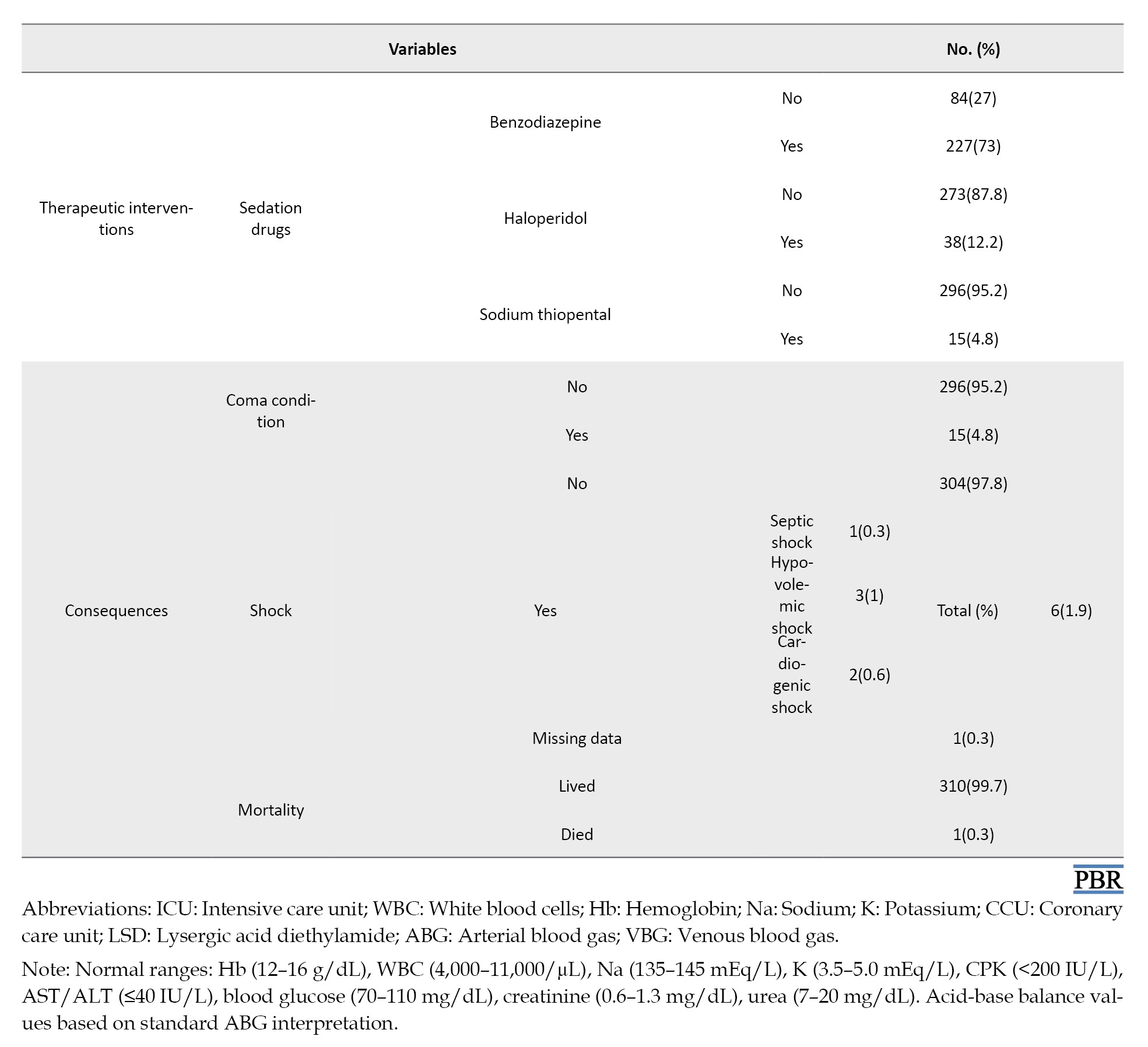
This retrospective cross-sectional study included 311 patients with psychedelic poisoning. Table 1 presents a comprehensive summary of the demographic characteristics, psychotropic drug use, clinical findings, and therapeutic interventions among individuals affected by psychotropic substance poisoning.
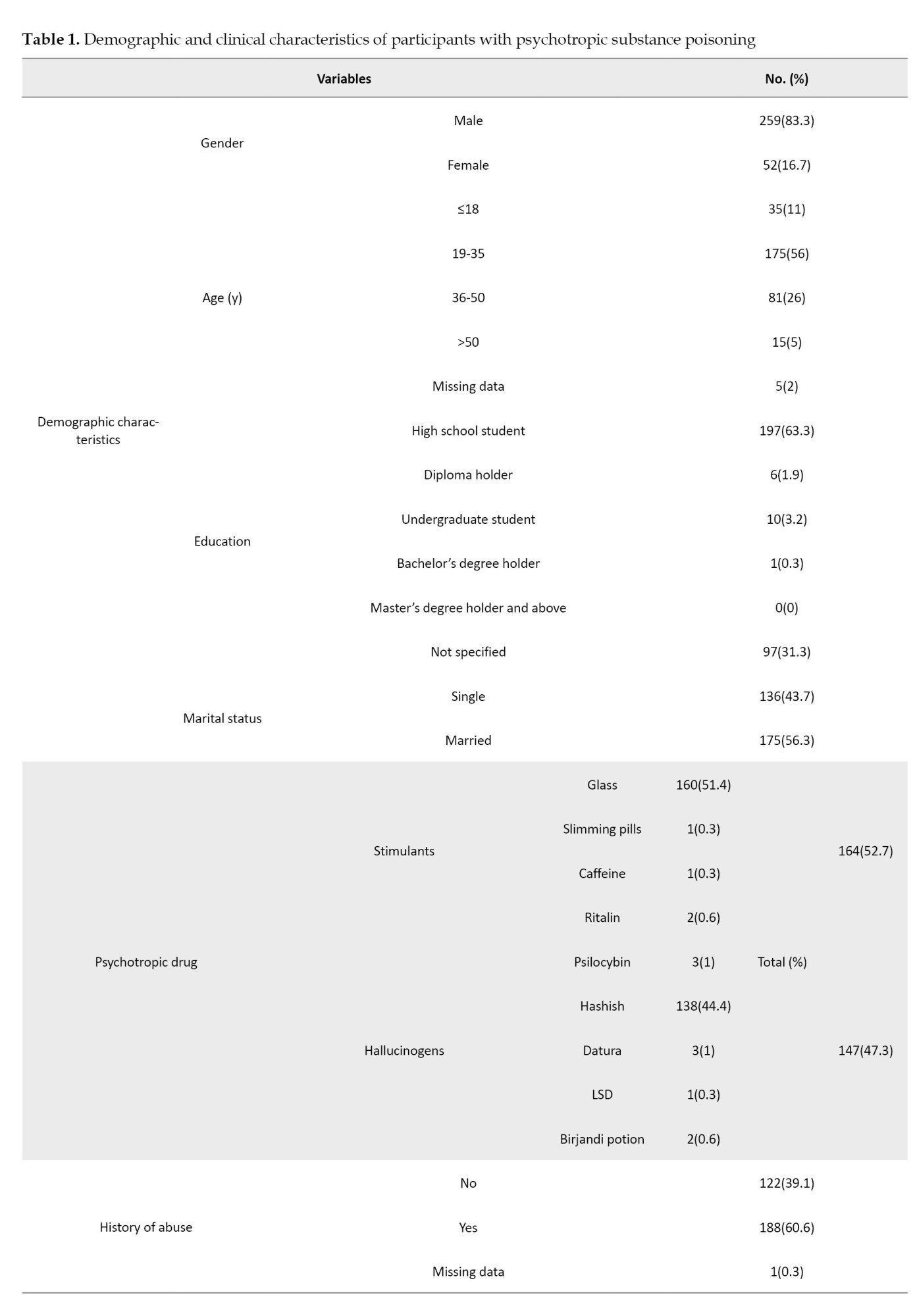
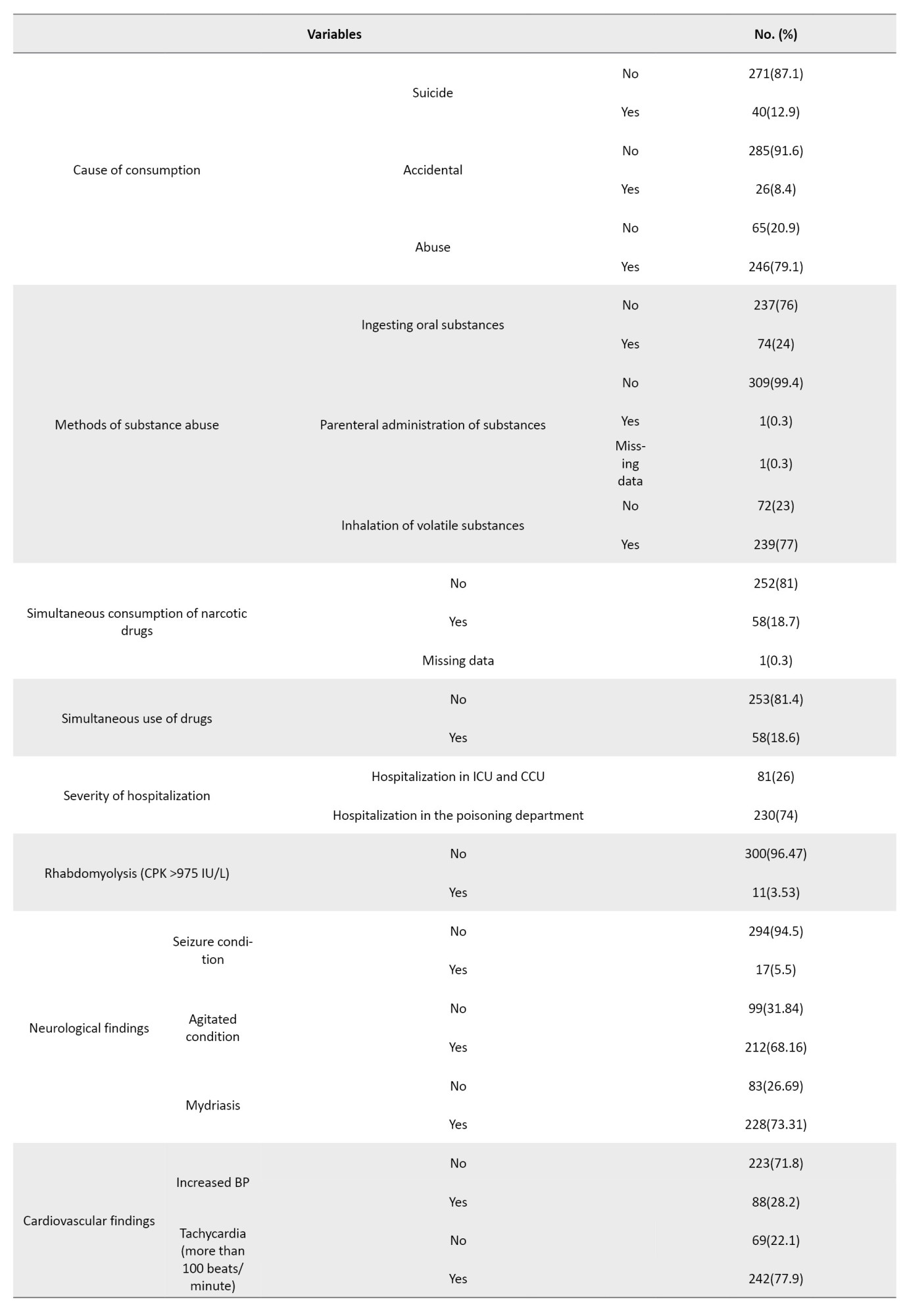
The data demonstrated that most patients were male (83.3%). A clear trend was observed, with younger age groups being more significantly impacted by psychotropic substance poisoning, particularly those aged 19-35 (56%). A significant proportion was high school students (63.3%), while only a small fraction held diplomas (1.9%) or higher degrees (0.3% for bachelor’s and none for master’s). Notably, the educational status of 31.3% of the participants was not specified. The majority of patients were married (56.3%), while 43.7% were single. Stimulants were the most commonly reported psychotropic substances, with glass (51.4%) and hallucinogens, such as hashish (44.4%), also being prevalent. Most patients (60.6%) had a history of substance abuse, indicating a significant prevalence of prior drug use among the population studied. The data showed that 12.9% of the cases were related to suicide attempts, while 8.4% were due to accidental consumption. Abuse was cited as the cause in 79.1% of the cases, highlighting the critical issue of substance misuse. The data showed that inhalation was a notably prevalent method of substance abuse (77%), and oral ingestion was less common than inhalation (24%). Most participants (81.4%) did not simultaneously use drugs. A total of 230 participants (74%) were admitted to the poisoning department, and only 81 patients (26%) required admission to the ICU or coronary care unit (CCU).
The data revealed that a small percentage of patients with psychedelic poisoning (5.5%) exhibited seizures, while a significant portion (68.16%) presented with agitation. Mydriasis was noted in 73.31% of the cases.
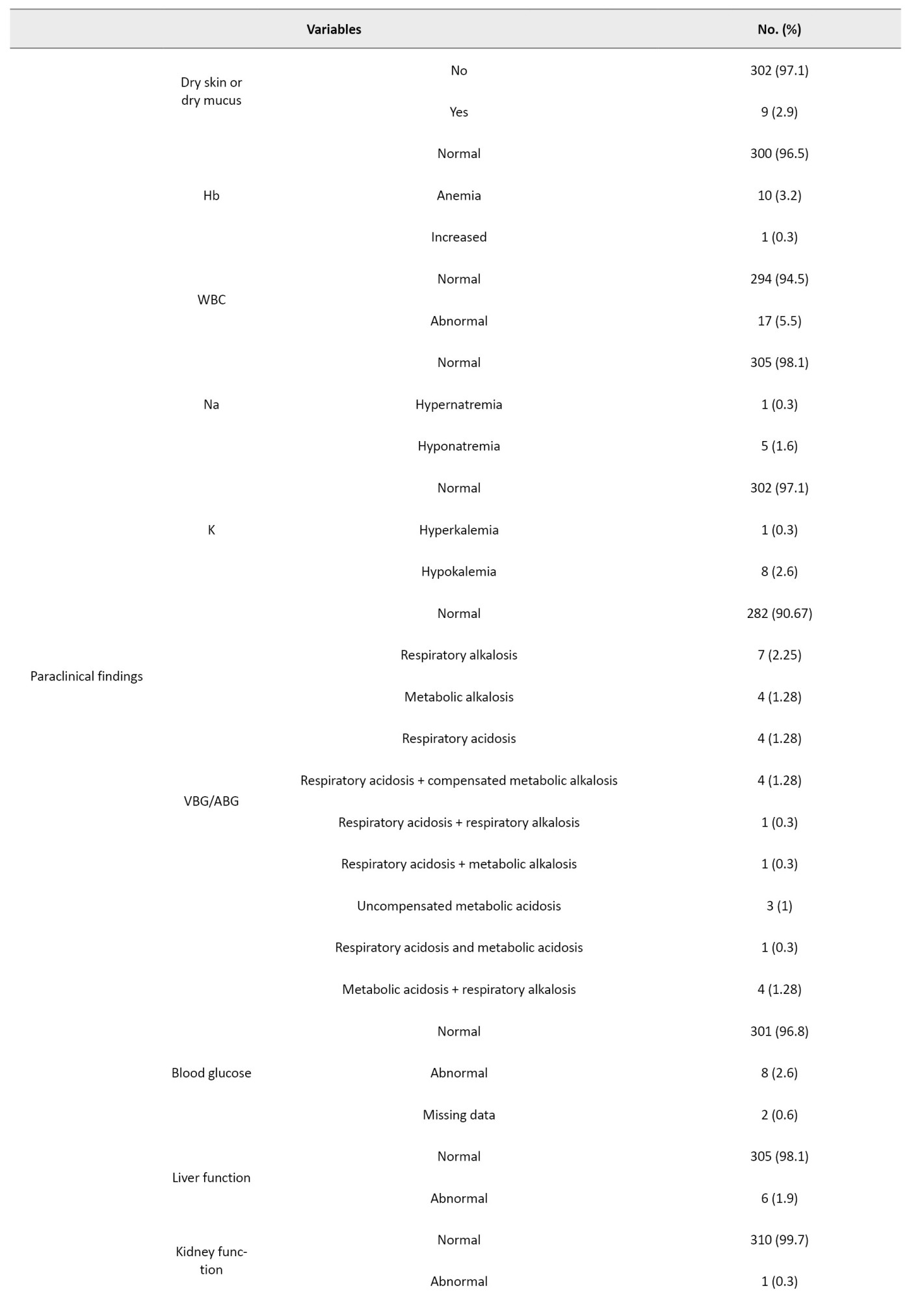
Cardiovascular assessments illustrated elevated BP in 28.2% of participants and tachycardia in 77.9% of participants. Furthermore, only 3.53% of individuals showed signs of rhabdomyolysis, suggesting that severe muscle breakdown was uncommon in this group. According to these results, dry skin or dry mucus was not a prevalent symptom in these patients, with over 97.1% of participants not exhibiting these signs.
Most patients showed normal hemoglobin (96.5%), white blood cell count (94.5%), and sodium levels (98.1%). However, minor abnormalities were noted in potassium and acid-base balance, with 2.6% showing hypokalemia and various forms of acidosis in a small percentage of cases. Additionally, most participants had normal blood glucose levels (96.8%), while liver function was normal in 98.1% and kidney function in 99.7% of the cases.
A substantial majority received benzodiazepines (73%), whereas haloperidol was administered to 12.2%. Sodium thiopental was used in a few cases (4.8%).
Only 4.8% of individuals experienced coma, and mortality was extremely low, with 99.7% of participants surviving.
Table 2 presents a comparative analysis of various demographic and other variables associated with the use of stimulants and hallucinogens, highlighting significant differences between the two categories of psychotropic drugs.
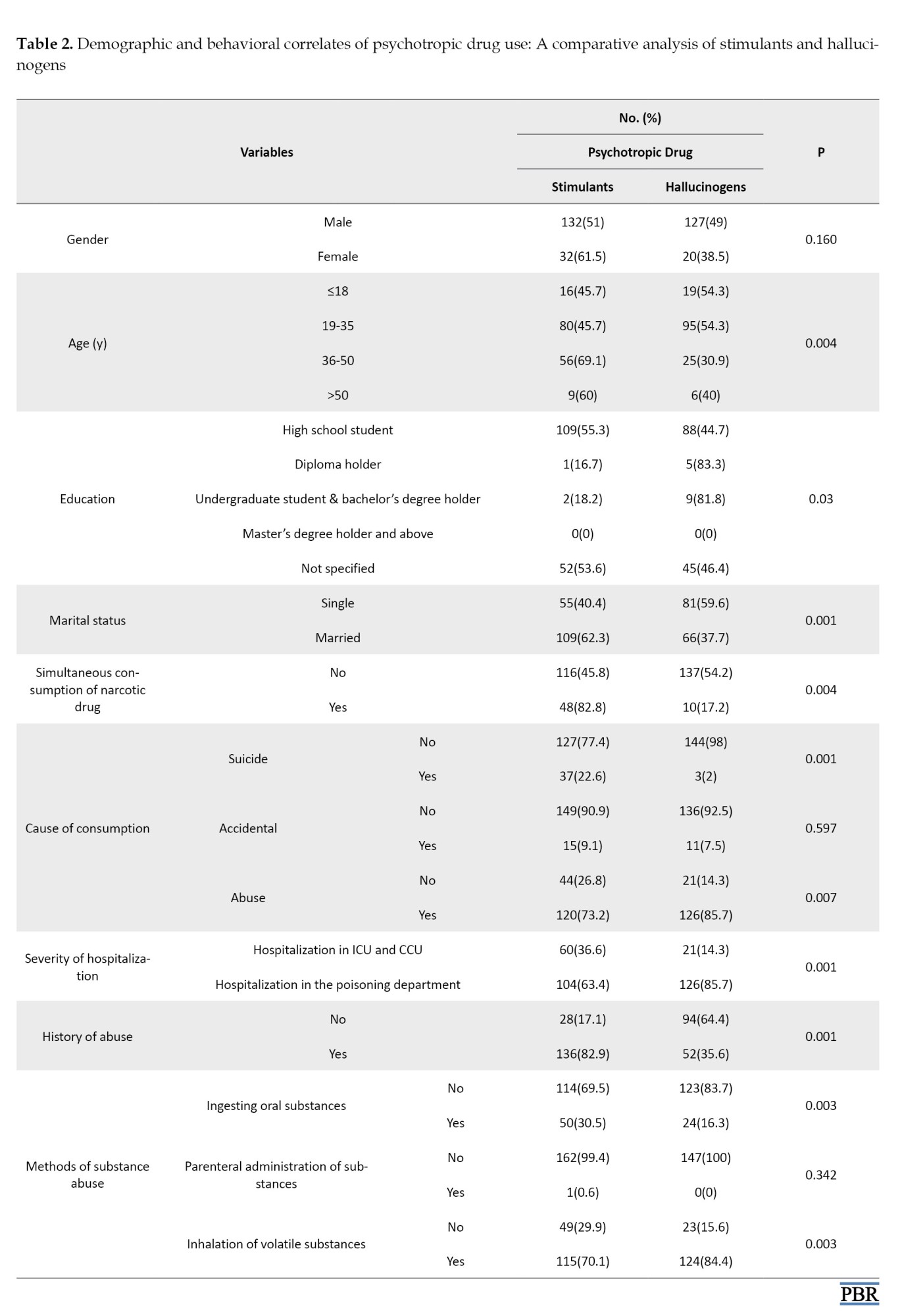
No significant difference was observed in gender distribution between stimulant and hallucinogen users (P=0.160). Age was a significant factor in drug use (P=0.004). Younger individuals (≤18 years) showed a higher preference for hallucinogens (54.3%), while those aged 36-50 years were more likely to use stimulants (69.1%). Educational status showed a significant difference, with a higher percentage of hallucinogen users among diploma holders and those with undergraduate degrees (P=0.03). A significant difference existed in marital status (P=0.001). Stimulant users are more likely to be married (62.3%), while hallucinogen users are predominantly single (59.6%). There was a notable difference in simultaneous drug use, with a higher percentage of stimulant users engaging in this behavior (P=0.004). The causes of drug use differed significantly (P=0.001). A notable percentage of hallucinogen users showed suicidal reasons (22.6%) of consumption compared to stimulant users (2%). Furthermore, the findings illustrated a significant difference in abuse patterns (P=0.007), with 73.2% of stimulant users indicating abuse compared to 85.7% of hallucinogen users. However, no significant difference was observed in accidental consumption between the two groups (P=0.597). Hospitalization severity was significantly different (P=0.001), with a higher percentage of stimulant users requiring ICU/CCU care (36.6%) compared to hallucinogen users (14.3%). These results indicated a significant history of substance abuse (P=0.001), where 82.9% of stimulant users showed previous abuse compared to 35.6% of hallucinogen users.
Significant differences are noted according to the method of substance abuse (P=0.003), with more hallucinogen users not using it orally (83.7%). Additionally, the inhalation method showed significant differences (P=0.003), with a higher percentage of hallucinogen users (84.4%) compared to stimulant users (70.1%). However, no significant difference (P=0.342) was found in the parenteral use.
Discussion
This retrospective cross-sectional study investigated 311 patients with psychedelic poisoning who were referred to Shah Vali Hospital, Yazd, Iran, and Shahid Beheshti Hospital, Taft, Yazd, Iran between 2013 and 2022, and evaluated the frequency of clinical, paraclinical, and prognostic findings of patients.
In our study, most patients were male (83.3%), but no significant difference was observed in gender distribution between stimulant and hallucinogen users. In a study by Goudarzi et al., 544 of 9563 people who were hospitalized due to poisoning were drug abusers, of whom 59.4% were men [7]. In a study, Darke et al. examined mortality in 93 patients who had used only methamphetamine and observed that 86% of the participants were male, which is consistent with the results of our study [17]. In another study by Aria et al. that investigated amphetamine poisoning in children, they found that out of 29 children included in the study, 62% were male [20]. Dorooshi et al.’s study showed similar results and 95% of subjects were male [21]. Farzaneh et al. conducted a cross-sectional descriptive study on 255 cases with acute opioid and stimulant poisoning and found 72.2% of patients were male [22].
Our results showed stimulants were the most commonly reported psychotropic substances, with glass (51.4%) and hallucinogens like hashish (44.4%) also being prevalent. Also, Goudarzi et al. found glass was the most used substance [7]. Zarif hoshiar et al., who studied thirty poisoned children with derivatives of, illustrated similar results [23]. Thus, based on the findings of our study and others, it appears that the incidence of poisoning with glass is higher compared to other psychoactive substances.
A clear trend towards younger age groups being more significantly impacted by psychotropic substance poisoning, particularly those aged 19-35, and a significant relationship between the type of substance consumed and age was observed. Younger individuals (≤18 years) showed a higher preference for hallucinogens, while those aged 36-50 were more likely to use stimulants (69.1%). Goudarzi et al. found that the higher users were 25-30 years old men and 15-20 years old women [7]. Another study was aligned with these findings [21].
A significant proportion was high school students (63.3%). Educational status showed a significant difference, with a higher percentage of hallucinogen users among diploma holders and those with undergraduate degrees. In a study on stimulant poisoning conducted by Dorooshi et al., the consumption of stimulants, such as glass, was more prevalent among individuals with lower education levels [21]. This finding aligns with the results of our study.
Most patients were married (56.3%) and 43.7% were single. A significant difference was observed in marital status. Stimulant users were more likely to be married (62.3%), while hallucinogen users were predominantly single (59.6%). However, other studies have shown different results [9, 21].
Most patients (60.6%) had a history of substance abuse, indicating a significant prevalence of prior drug use among the population studied. Masoumi et al. investigated poisoning with psychedelics and reported that 21.8% of the individuals studied had a history of substance abuse [24].
The data showed that 12.9% of the cases were related to suicide attempts, while 8.4% were due to accidental consumption. Abuse was cited as the cause in 79.1% of the cases, highlighting the critical issue of substance misuse. Goderzi et al., similar to our results, showed the abuse of these substances constitutes a medical emergency [7]. Hahn et al. investigated methamphetamine poisoning in the United States and reported that it is the most common cause of consumption associated with abuse [25]. The results of Dorooshi et al. were aligned with those of our study [21]. However, in a study by Farzaneh, the most common cause of poisoning was suicide (65.1%), and 34.9% of patients had accidental poisoning [22].
According the data of our study, inhalation was a notably prevalent method of substance abuse (77%). The results of the study by Goudarzi et al. were consistent with our results [7]. In our study, oral ingestion was less common compared to inhalation (24%); however, Hassanian-Moghaddam et al. assessed the clinical and paraclinical findings of different stimulant toxicities in 147 children and found that most of them (79%) had ingested the stimulant. However, children aged 22–42 months participated in this study [26]. Zarifhoshiar et al. [23] showed similar results with Hassanian-Moghaddam et al. [26] and revealed 65.3% of poisoned children with derivatives of amphetamines had ingested the stimulant. In a study conducted by Izadi-Mood et al., the causes of death in patients poisoned with psychotropic substances were examined, revealing that the most common method of consumption was inhalation [9]. These findings are consistent with those of the present study. Thus, based on our results and those of other studies, inhalation appears more prevalent than other methods, likely due to its ease of use. Additionally, in our study, the inhalation method showed significant differences, with a higher percentage of hallucinogen users (84.4%) compared to stimulant users (70.1%).
Most participants (81.4%) did not engage in the simultaneous use of drugs, and only 18.6% showed simultaneous use of drugs. Dorooshi et al. revealed that 25.9% of patients and Izadi-Mood found that 4.6% of patients had simultaneous drug use [9, 21].
A total of 230 participants (74%) were admitted to the poisoning department, and only 81 patients (26%) required admission to the ICU or CCU. Dorooshi and Izadi-Mood showed similar results [9, 21].
The data revealed that a small percentage of patients with psychedelic poisoning (5.5%) exhibited seizure conditions, while a significant portion (68.16%) presented with agitation. Mydriasis was noted in 73.31% of the cases. Goudarzi et al. found 2.6% of patients had seizures [7]. Unlike these results, Aria et al. did not find seizures among children poisoned with amphetamine [20]. In a study by Hassanian-Moghaddam et al., mydriasis was more common in crystal-meth patients (76.5%) [26]. Approximately, 96%, 9%, and 84% of children poisoned with derivatives of amphetamines experienced agitation, seizures, and mydriasis, respectively, in a study by Zarifhoshiar et al. [23]. Chen et al. revealed a frequency of 29.4% agitation and 2.2% seizures among subjects with methamphetamine poisoning during 19 years [27].
Cardiovascular assessments illustrated elevated BP in 28.2% of participants and tachycardia in 77.9% of participants. Aria et al found similar results. Indeed, 25.92% and 82.60% of children poisoned with amphetamine experienced elevated BP and tachycardia [20]. In a study by Hassanian-Moghaddam et al., approximately 75.5% and 25.4% of children poisoned with stimulants experienced tachycardia and hypertension, respectively [26]. Furthermore, Zarifhoshiar et al. showed that 94% of children poisoned with amphetamine derivatives had tachycardia [23]. Chen et al. investigated the characteristics and trends of methamphetamine exposure reported to United States poison control centers over 19 years. They identified tachycardia and hypertension in 35.5% and 15.3% of poisoned individuals, respectively [27].
Furthermore, only 3.53% of individuals showed signs of rhabdomyolysis (CPK>975 IU/L), suggesting that severe muscle breakdown was relatively uncommon in this group. However, Aria et al. found that all poisoned children had an increase in CPK with an average of 771.99±966 IU/L and 25.9% of children had an increase in CPK to more than 1000 IU/L. It should be noted that these children were poisoned with amphetamines [20]. In a study by Hassanian-Moghaddam et al., children poisoned with stimulants showed evelated CPK levels [26]. According to these results, dry skin or dry mucus was not a prevalent symptom in these patients, with over 97.1% of participants not exhibiting these signs.
Most patients showed normal hemoglobin (96.5%), white blood cell count (94.5%), and sodium levels (98.1%). However, minor abnormalities were noted in potassium and acid-base balance, with 2.6% showing hypokalemia and various forms of acidosis in a small percentage of cases. Additionally, most participants had normal blood glucose levels (96.8%), liver function in 98.1% and kidney function in 99.7% of the cases was normal. In a study by Hassanian-Moghaddam et al., among children poisoned with stimulants, 18%, 4%, 10%, 5%, 4%, 10%, and 7% showed elevated creatinine, hypoglycemia, hypernatremia, hyponatremia, hyperkalemia, and increased AST and ALT, respectively. In addition, of 131 poisoned children with stimulants, 25 had alkalosis and 31 had acidosis [26]. In Zarifhoshiar et al.’s study, blood glucose, potassium, AST, and ALT levels were normal in approximately all patients, which aligns closely with our results [23]. In Dorooshi et al.’s study, uncompensated respiratory acidosis was observed, and liver function was normal [21].
In our study, a substantial majority of patients received benzodiazepines (73%), and 12.2% received haloperidol. In a study by Hassanian-Moghaddam et al., most children poisoned with stimulants (69.4%) had received benzodiazepines [26]. Zarifhoshiar et al. revealed 97% of poisoned children with derivatives of amphetamines needed benzodiazepines. Of them, 37.5% received one dose, 28% required a second dose of intravenous benzodiazepines, and 31.3% required repeated doses of intravenous benzodiazepines or benzodiazepine infusion or intravenous haloperidol [23]. Ruha et al. investigated treatment measures in patients with methamphetamine poisoning, and the results indicated that the majority of patients received benzodiazepines, the dose of which differed depending on the agent used [28]. The most frequently administered therapies in a study by Chen et al. were intravenous fluids (18.5%), benzodiazepines (14.1%), oxygen (6.8%), other forms of sedation (6.8%), and endotracheal intubation (5.3%). This study’s findings are similar to our study’s results [27].
In this study, only 4.8% of individuals experienced coma, and mortality was extremely low, with 99.7% survilance. According to the results of a study by Goudarzi et al., 5.1% of the patients fell into a coma, but no case of death was observed [7]. In a study by Chen et al., 1.2% experienced coma during 19 years [27]. In a study by Dorooshi et al., no fatalities were reported [21]. The findings of this study are largely consistent with those of our research.
This study has limitations, including its retrospective design, which missing or inconsistent medical data may influence. Its strengths include a substantial sample size, the involvement of two prominent institutions in the region, and exhaustive study of clinical and paraclinical factors.
Conclusion
This study underscores the high frequency of psychotropic drug consumption, especially among young boys. Inhalation is the predominant route of exposure, and misuse is the primary source of toxicity. Notwithstanding the severity of clinical manifestations, the survival rate was notably high, owing to prompt and adequate care. These findings underscore the pressing necessity for preventative initiatives, education, and focused interventions.
Ethical Considerations
Compliance with ethical guidelines
This study was approved by the of Research Ethics Committee of Shahid Sadoughi University of Medical Sciences, Yazd, Iran (Code: IR.SSU.MEDICINE.REC.1402.257). Each patient provided written informed consent. Furthermore, strict confidentiality was maintained for all patient information.
Funding
This research did not receive any grant from funding agencies in the public, commercial, or non-profit sectors.
Authors' contributions
Conceptualization, supervision, and project administration: Hamid Owliaey; Methodology: Elahe Mahdavi; Software: Hamid Reza Jamshidi; Formal analysis: Mohsen Jabbari; Resources: Hamidreza Ghasemirad and Mehrnoush Giahi Yazdi; Data curation: Khashayar Moravej; Writing the original draft: Hanieh Hatampour, Hamid Reza Jamshidi, and Komeil Aghazadeh-Habashi; Review & editing: All authors.
Conflict of interest
The authors declared no conflict of interest.
Acknowledgments
The authors acknowledge the support of Shahid Sadoughi University of Medical Sciences, Yazd, Iran, and the cooperation of hospital staff at Shah Vali and Shahid Beheshti hospitals in Yazd Province.
The abuse of psychoactive substances, including stimulants and hallucinogens, is a crucial social problem associated with mental and physical disorders, as well as economic and social consequences [1-3]. Stimulants are substances that stimulate the central nervous system. Currently, there are approximately 1300 types of stimulants worldwide, of which amphetamine compounds, methamphetamine (glass), and cocaine products are the most widely used [2-5]. These substances are particularly concerning due to the severe side effects associated with their abuse, and, they are sometimes used in attempts to commit suicide [4-6].
Amphetamines enhance brain monoamine neurotransmitters, including adrenaline, norepinephrine, serotonin, and dopamine. Nervousness inhibits monoamine oxidase. This enzyme destroys neurotransmitters, but their suppression allows them to survive and boost brain concentration. Dopamine is the main neurotransmitter used to create amphetamine and other effects [7]. Meth was first manufactured in Japan in 1893. Transparent crystalline grains of methamphetamine, known as “glass” in Iran, are accessible as powders or single crystals [8]. Methamphetamine misuse includes oral, inhaled, injected, and smoked [9]. This drug’s effects vary by route of administration, with oral and inhaled formulations causing fewer symptoms [8]. Methamphetamine and cocaine use can cause tachycardia, hallucinations, irritability, mydriasis, nausea, vomiting, and diarrhoea [8, 10]. Short-term glass consumption can also cause hallucinations, talkativeness, dilated pupils, excitation, restlessness, tremors, delusions, fancies, and an elevated heart rate. Other symptoms include palpitations, raised blood pressure (BP), sweating, lack of appetite, dry nose, lips, and mouth, breathing difficulties, and grandiosity, which can cause aggression, agitation, and erratic movements [1]. Amphetamine is in numerous slimming products, and some sporting groups have misused it [11]. Ritalin (methylphenidate), an amphetamine derivative, may have been abused in recent years, notably by students to stay awake during exams, which has led to addiction [12]. Ritalin raises heart rate. Similar to cocaine and amphetamines, Ritalin inhalation can cause agitation, hazardous behavior, paranoia, and psychosis [13]. Stimulants boost energy, exhilaration, and happiness in the short term. However, long-term usage can cause starvation, psychosis, anxiety, severe sadness, and suicidal thoughts. Chronic usage can also cause dreadful nightmares, mental confusion, lethargy, excessive exhaustion, panic, disorientation, loss of temporal and geographical awareness, poor intellectual concentration, and pessimism [8, 9]. Psychoactive hallucinogens dramatically influence perception, emotion, and cognition. Hallucinogens are classified as “classical serotonergic hallucinogens” or “psychoactive drugs” and “operating room anesthetics”. Hashish, produced from the hemp plant (Cannabis sativa), is a popular psychedelic that goes by many names [14].
Also, the accidental and intentional consumption of some plants, especially in children, leads to hallucinations, the most important of which is the Datura plant (Datura stramonium L [known as tatura]) and the consumption of the seeds inside the prickly sticks leads to severe anticholinergic symptoms [15]. Psilocybin and lysergic acid diethylamide (LSD) are also known as classical hallucinogens, and their abuse is rarely observed in patients in emergency room. Anesthetics, such as ketamine, are one of the crucial hallucinogens that are used as anesthetics in the operating room. Recently, their abuse has increased, and they affect the glutamatergic system. However, classical hallucinogenic drugs (such as psilocybin and LSD) exert their medicinal effects mainly through the 5-HT2A system and act as agonists of the 5-HT2A receptor [16, 17]. Although LSD is about 100 times stronger than psilocybin, the two have similar physiological, pharmacological, and clinical effects. The adrenergic effects of these drugs are usually mild and can lead to sympathetic arousal, which leads to dilated pupils, tachycardia, high BP and hyperreflexia. Although cardiovascular complications are rarely serious, supraventricular tachycardia and myocardial infarction have been reported [17]. A study showed that LSD and 3,4 methylenedioxymethamphetamine (MDMA) (the active compound in ecstasy) increased the heart rate more than D-amphetamine increases. In contrast, D-amphetamine increases BP in people more than LSD and MDMA [18]. However, another study reported that LSD increases BP, heart rate, body temperature, and pupil size [19].
Given the increasing prevalence of psychoactive substance use and associated complications, a comprehensive evaluation of the clinical and prognostic characteristics of affected individuals is essential. This study aimed to analyze such findings among patients at two referral hospitals in Yazd, Iran, from 2014 to 2023.
Materials and Methods
Inclusion and exclusion criteria
All patients with psychedelic poisoning with psychotropic substances, including stimulants, such as cocaine, glass, amphetamine, or hallucinogens, such as LSD, Datura, and hashish, who were referred to Shah Vali Hospital, Yazd, Iran, and Shahid Beheshti Taft Hospital, Taft, Yazd, Iran between 2013 and 2022, and whose history and examination were consistent with the symptoms of poisoning were included in this retrospective cross-sectional study.
Patients with diagnoses other than psychotropic intoxication or poisoning with an unknown agent and those with incomplete medical records were excluded from the study.
Data collection
Demographic characteristics and clinical findings of the patients were extracted from their medical records and hospital information system (HIS). These clinical findings included neurological findings, cardiovascular, and paraclinical findings, therapeutic interventions, consequences, and mortality of patients suffering from intoxication with psychotropic substances.
The demographic characteristics included age, gender, length of stay in the hospital and intensive care unit (ICU), drug use (alone or simultaneously with drugs), severity of the disease (hospitalization in the ICU), and rhabdomyolysis (creatine phosphokinase [CPK]>975 IU/L).
The neurological findings included consciousness, agitation, seizures and pupillary mydriasis, and cardiovascular findings included fluctuating changes in heart rate and BP. Paraclinical findings included aspartate aminotransferase (AST), alanine aminotransferase (ALT), urea, creatinine, CPK, white blood cells (WBC), hemoglobin (Hb), sodium (Na), potassium (K), arterial blood gas (ABG)/venous blood gas (VBG), blood glucose, as well as therapeutic interventions were including administration of sedation drugs and intubation with a tracheal tube.
Statistical analysis
Statistical analyses were performed using SPSS software, version 23 (SPSS Inc., Chicago, IL, USA). Qualitative variables were presented using frequencies and percentages. To compare the group’s chi-square and Fisher’s exact tests were utilized. All statistical analyses were conducted using a two-tailed approach. A P<0.05 was considered statistically significant.
Results
This retrospective cross-sectional study included 311 patients with psychedelic poisoning. Table 1 presents a comprehensive summary of the demographic characteristics, psychotropic drug use, clinical findings, and therapeutic interventions among individuals affected by psychotropic substance poisoning.
The data demonstrated that most patients were male (83.3%). A clear trend was observed, with younger age groups being more significantly impacted by psychotropic substance poisoning, particularly those aged 19-35 (56%). A significant proportion was high school students (63.3%), while only a small fraction held diplomas (1.9%) or higher degrees (0.3% for bachelor’s and none for master’s). Notably, the educational status of 31.3% of the participants was not specified. The majority of patients were married (56.3%), while 43.7% were single. Stimulants were the most commonly reported psychotropic substances, with glass (51.4%) and hallucinogens, such as hashish (44.4%), also being prevalent. Most patients (60.6%) had a history of substance abuse, indicating a significant prevalence of prior drug use among the population studied. The data showed that 12.9% of the cases were related to suicide attempts, while 8.4% were due to accidental consumption. Abuse was cited as the cause in 79.1% of the cases, highlighting the critical issue of substance misuse. The data showed that inhalation was a notably prevalent method of substance abuse (77%), and oral ingestion was less common than inhalation (24%). Most participants (81.4%) did not simultaneously use drugs. A total of 230 participants (74%) were admitted to the poisoning department, and only 81 patients (26%) required admission to the ICU or coronary care unit (CCU).
The data revealed that a small percentage of patients with psychedelic poisoning (5.5%) exhibited seizures, while a significant portion (68.16%) presented with agitation. Mydriasis was noted in 73.31% of the cases.
Cardiovascular assessments illustrated elevated BP in 28.2% of participants and tachycardia in 77.9% of participants. Furthermore, only 3.53% of individuals showed signs of rhabdomyolysis, suggesting that severe muscle breakdown was uncommon in this group. According to these results, dry skin or dry mucus was not a prevalent symptom in these patients, with over 97.1% of participants not exhibiting these signs.
Most patients showed normal hemoglobin (96.5%), white blood cell count (94.5%), and sodium levels (98.1%). However, minor abnormalities were noted in potassium and acid-base balance, with 2.6% showing hypokalemia and various forms of acidosis in a small percentage of cases. Additionally, most participants had normal blood glucose levels (96.8%), while liver function was normal in 98.1% and kidney function in 99.7% of the cases.
A substantial majority received benzodiazepines (73%), whereas haloperidol was administered to 12.2%. Sodium thiopental was used in a few cases (4.8%).
Only 4.8% of individuals experienced coma, and mortality was extremely low, with 99.7% of participants surviving.
Table 2 presents a comparative analysis of various demographic and other variables associated with the use of stimulants and hallucinogens, highlighting significant differences between the two categories of psychotropic drugs.
No significant difference was observed in gender distribution between stimulant and hallucinogen users (P=0.160). Age was a significant factor in drug use (P=0.004). Younger individuals (≤18 years) showed a higher preference for hallucinogens (54.3%), while those aged 36-50 years were more likely to use stimulants (69.1%). Educational status showed a significant difference, with a higher percentage of hallucinogen users among diploma holders and those with undergraduate degrees (P=0.03). A significant difference existed in marital status (P=0.001). Stimulant users are more likely to be married (62.3%), while hallucinogen users are predominantly single (59.6%). There was a notable difference in simultaneous drug use, with a higher percentage of stimulant users engaging in this behavior (P=0.004). The causes of drug use differed significantly (P=0.001). A notable percentage of hallucinogen users showed suicidal reasons (22.6%) of consumption compared to stimulant users (2%). Furthermore, the findings illustrated a significant difference in abuse patterns (P=0.007), with 73.2% of stimulant users indicating abuse compared to 85.7% of hallucinogen users. However, no significant difference was observed in accidental consumption between the two groups (P=0.597). Hospitalization severity was significantly different (P=0.001), with a higher percentage of stimulant users requiring ICU/CCU care (36.6%) compared to hallucinogen users (14.3%). These results indicated a significant history of substance abuse (P=0.001), where 82.9% of stimulant users showed previous abuse compared to 35.6% of hallucinogen users.
Significant differences are noted according to the method of substance abuse (P=0.003), with more hallucinogen users not using it orally (83.7%). Additionally, the inhalation method showed significant differences (P=0.003), with a higher percentage of hallucinogen users (84.4%) compared to stimulant users (70.1%). However, no significant difference (P=0.342) was found in the parenteral use.
Discussion
This retrospective cross-sectional study investigated 311 patients with psychedelic poisoning who were referred to Shah Vali Hospital, Yazd, Iran, and Shahid Beheshti Hospital, Taft, Yazd, Iran between 2013 and 2022, and evaluated the frequency of clinical, paraclinical, and prognostic findings of patients.
In our study, most patients were male (83.3%), but no significant difference was observed in gender distribution between stimulant and hallucinogen users. In a study by Goudarzi et al., 544 of 9563 people who were hospitalized due to poisoning were drug abusers, of whom 59.4% were men [7]. In a study, Darke et al. examined mortality in 93 patients who had used only methamphetamine and observed that 86% of the participants were male, which is consistent with the results of our study [17]. In another study by Aria et al. that investigated amphetamine poisoning in children, they found that out of 29 children included in the study, 62% were male [20]. Dorooshi et al.’s study showed similar results and 95% of subjects were male [21]. Farzaneh et al. conducted a cross-sectional descriptive study on 255 cases with acute opioid and stimulant poisoning and found 72.2% of patients were male [22].
Our results showed stimulants were the most commonly reported psychotropic substances, with glass (51.4%) and hallucinogens like hashish (44.4%) also being prevalent. Also, Goudarzi et al. found glass was the most used substance [7]. Zarif hoshiar et al., who studied thirty poisoned children with derivatives of, illustrated similar results [23]. Thus, based on the findings of our study and others, it appears that the incidence of poisoning with glass is higher compared to other psychoactive substances.
A clear trend towards younger age groups being more significantly impacted by psychotropic substance poisoning, particularly those aged 19-35, and a significant relationship between the type of substance consumed and age was observed. Younger individuals (≤18 years) showed a higher preference for hallucinogens, while those aged 36-50 were more likely to use stimulants (69.1%). Goudarzi et al. found that the higher users were 25-30 years old men and 15-20 years old women [7]. Another study was aligned with these findings [21].
A significant proportion was high school students (63.3%). Educational status showed a significant difference, with a higher percentage of hallucinogen users among diploma holders and those with undergraduate degrees. In a study on stimulant poisoning conducted by Dorooshi et al., the consumption of stimulants, such as glass, was more prevalent among individuals with lower education levels [21]. This finding aligns with the results of our study.
Most patients were married (56.3%) and 43.7% were single. A significant difference was observed in marital status. Stimulant users were more likely to be married (62.3%), while hallucinogen users were predominantly single (59.6%). However, other studies have shown different results [9, 21].
Most patients (60.6%) had a history of substance abuse, indicating a significant prevalence of prior drug use among the population studied. Masoumi et al. investigated poisoning with psychedelics and reported that 21.8% of the individuals studied had a history of substance abuse [24].
The data showed that 12.9% of the cases were related to suicide attempts, while 8.4% were due to accidental consumption. Abuse was cited as the cause in 79.1% of the cases, highlighting the critical issue of substance misuse. Goderzi et al., similar to our results, showed the abuse of these substances constitutes a medical emergency [7]. Hahn et al. investigated methamphetamine poisoning in the United States and reported that it is the most common cause of consumption associated with abuse [25]. The results of Dorooshi et al. were aligned with those of our study [21]. However, in a study by Farzaneh, the most common cause of poisoning was suicide (65.1%), and 34.9% of patients had accidental poisoning [22].
According the data of our study, inhalation was a notably prevalent method of substance abuse (77%). The results of the study by Goudarzi et al. were consistent with our results [7]. In our study, oral ingestion was less common compared to inhalation (24%); however, Hassanian-Moghaddam et al. assessed the clinical and paraclinical findings of different stimulant toxicities in 147 children and found that most of them (79%) had ingested the stimulant. However, children aged 22–42 months participated in this study [26]. Zarifhoshiar et al. [23] showed similar results with Hassanian-Moghaddam et al. [26] and revealed 65.3% of poisoned children with derivatives of amphetamines had ingested the stimulant. In a study conducted by Izadi-Mood et al., the causes of death in patients poisoned with psychotropic substances were examined, revealing that the most common method of consumption was inhalation [9]. These findings are consistent with those of the present study. Thus, based on our results and those of other studies, inhalation appears more prevalent than other methods, likely due to its ease of use. Additionally, in our study, the inhalation method showed significant differences, with a higher percentage of hallucinogen users (84.4%) compared to stimulant users (70.1%).
Most participants (81.4%) did not engage in the simultaneous use of drugs, and only 18.6% showed simultaneous use of drugs. Dorooshi et al. revealed that 25.9% of patients and Izadi-Mood found that 4.6% of patients had simultaneous drug use [9, 21].
A total of 230 participants (74%) were admitted to the poisoning department, and only 81 patients (26%) required admission to the ICU or CCU. Dorooshi and Izadi-Mood showed similar results [9, 21].
The data revealed that a small percentage of patients with psychedelic poisoning (5.5%) exhibited seizure conditions, while a significant portion (68.16%) presented with agitation. Mydriasis was noted in 73.31% of the cases. Goudarzi et al. found 2.6% of patients had seizures [7]. Unlike these results, Aria et al. did not find seizures among children poisoned with amphetamine [20]. In a study by Hassanian-Moghaddam et al., mydriasis was more common in crystal-meth patients (76.5%) [26]. Approximately, 96%, 9%, and 84% of children poisoned with derivatives of amphetamines experienced agitation, seizures, and mydriasis, respectively, in a study by Zarifhoshiar et al. [23]. Chen et al. revealed a frequency of 29.4% agitation and 2.2% seizures among subjects with methamphetamine poisoning during 19 years [27].
Cardiovascular assessments illustrated elevated BP in 28.2% of participants and tachycardia in 77.9% of participants. Aria et al found similar results. Indeed, 25.92% and 82.60% of children poisoned with amphetamine experienced elevated BP and tachycardia [20]. In a study by Hassanian-Moghaddam et al., approximately 75.5% and 25.4% of children poisoned with stimulants experienced tachycardia and hypertension, respectively [26]. Furthermore, Zarifhoshiar et al. showed that 94% of children poisoned with amphetamine derivatives had tachycardia [23]. Chen et al. investigated the characteristics and trends of methamphetamine exposure reported to United States poison control centers over 19 years. They identified tachycardia and hypertension in 35.5% and 15.3% of poisoned individuals, respectively [27].
Furthermore, only 3.53% of individuals showed signs of rhabdomyolysis (CPK>975 IU/L), suggesting that severe muscle breakdown was relatively uncommon in this group. However, Aria et al. found that all poisoned children had an increase in CPK with an average of 771.99±966 IU/L and 25.9% of children had an increase in CPK to more than 1000 IU/L. It should be noted that these children were poisoned with amphetamines [20]. In a study by Hassanian-Moghaddam et al., children poisoned with stimulants showed evelated CPK levels [26]. According to these results, dry skin or dry mucus was not a prevalent symptom in these patients, with over 97.1% of participants not exhibiting these signs.
Most patients showed normal hemoglobin (96.5%), white blood cell count (94.5%), and sodium levels (98.1%). However, minor abnormalities were noted in potassium and acid-base balance, with 2.6% showing hypokalemia and various forms of acidosis in a small percentage of cases. Additionally, most participants had normal blood glucose levels (96.8%), liver function in 98.1% and kidney function in 99.7% of the cases was normal. In a study by Hassanian-Moghaddam et al., among children poisoned with stimulants, 18%, 4%, 10%, 5%, 4%, 10%, and 7% showed elevated creatinine, hypoglycemia, hypernatremia, hyponatremia, hyperkalemia, and increased AST and ALT, respectively. In addition, of 131 poisoned children with stimulants, 25 had alkalosis and 31 had acidosis [26]. In Zarifhoshiar et al.’s study, blood glucose, potassium, AST, and ALT levels were normal in approximately all patients, which aligns closely with our results [23]. In Dorooshi et al.’s study, uncompensated respiratory acidosis was observed, and liver function was normal [21].
In our study, a substantial majority of patients received benzodiazepines (73%), and 12.2% received haloperidol. In a study by Hassanian-Moghaddam et al., most children poisoned with stimulants (69.4%) had received benzodiazepines [26]. Zarifhoshiar et al. revealed 97% of poisoned children with derivatives of amphetamines needed benzodiazepines. Of them, 37.5% received one dose, 28% required a second dose of intravenous benzodiazepines, and 31.3% required repeated doses of intravenous benzodiazepines or benzodiazepine infusion or intravenous haloperidol [23]. Ruha et al. investigated treatment measures in patients with methamphetamine poisoning, and the results indicated that the majority of patients received benzodiazepines, the dose of which differed depending on the agent used [28]. The most frequently administered therapies in a study by Chen et al. were intravenous fluids (18.5%), benzodiazepines (14.1%), oxygen (6.8%), other forms of sedation (6.8%), and endotracheal intubation (5.3%). This study’s findings are similar to our study’s results [27].
In this study, only 4.8% of individuals experienced coma, and mortality was extremely low, with 99.7% survilance. According to the results of a study by Goudarzi et al., 5.1% of the patients fell into a coma, but no case of death was observed [7]. In a study by Chen et al., 1.2% experienced coma during 19 years [27]. In a study by Dorooshi et al., no fatalities were reported [21]. The findings of this study are largely consistent with those of our research.
This study has limitations, including its retrospective design, which missing or inconsistent medical data may influence. Its strengths include a substantial sample size, the involvement of two prominent institutions in the region, and exhaustive study of clinical and paraclinical factors.
Conclusion
This study underscores the high frequency of psychotropic drug consumption, especially among young boys. Inhalation is the predominant route of exposure, and misuse is the primary source of toxicity. Notwithstanding the severity of clinical manifestations, the survival rate was notably high, owing to prompt and adequate care. These findings underscore the pressing necessity for preventative initiatives, education, and focused interventions.
Ethical Considerations
Compliance with ethical guidelines
This study was approved by the of Research Ethics Committee of Shahid Sadoughi University of Medical Sciences, Yazd, Iran (Code: IR.SSU.MEDICINE.REC.1402.257). Each patient provided written informed consent. Furthermore, strict confidentiality was maintained for all patient information.
Funding
This research did not receive any grant from funding agencies in the public, commercial, or non-profit sectors.
Authors' contributions
Conceptualization, supervision, and project administration: Hamid Owliaey; Methodology: Elahe Mahdavi; Software: Hamid Reza Jamshidi; Formal analysis: Mohsen Jabbari; Resources: Hamidreza Ghasemirad and Mehrnoush Giahi Yazdi; Data curation: Khashayar Moravej; Writing the original draft: Hanieh Hatampour, Hamid Reza Jamshidi, and Komeil Aghazadeh-Habashi; Review & editing: All authors.
Conflict of interest
The authors declared no conflict of interest.
Acknowledgments
The authors acknowledge the support of Shahid Sadoughi University of Medical Sciences, Yazd, Iran, and the cooperation of hospital staff at Shah Vali and Shahid Beheshti hospitals in Yazd Province.
References
- Hadinezhad P, Zarghami M, Montazer H, Moosazadeh M, Ghaderi F. Study of methamphetamine use in patients referred to emergency ward of a general Hospital at North of Iran in 2017. Addict Health. 2019; 11(1):18-25. [PMID]
- Oyesanmi O, Kunkel EJ, Monti DA, Field HL. Hematologic side effects of psychotropics. Psychosomatics. 1999; 40(5):414-21. [DOI:10.1016/S0033-3182(99)71206-5] [PMID]
- Shekari H, Eftekhari A. [Association between psychotropic drug usage and crime in central prison of Urmia, Iran (Persian)]. Iran J Forensic Med. 2015; 20(4):187-92. [Link]
- Giugovaz A, Grassi M, Marchetti I. Substance addictions and suicidal thoughts and behaviors: Evidence from a multi-wave epidemiological study. Psychiatry Res. 2024; 334:115821. [DOI: 10.1016/j.psychres.2024.115821] [PMID]
- Shafi A, Berry AJ, Sumnall H, Wood DM, Tracy DK. New psychoactive substances: A review and updates. Ther Adv Psychopharmacol. 2020; 10:2045125320967197. [DOI:10.1177/2045125320967197] [PMID]
- Jahangard L, Haghighi M, Mahmoudi Akhzar K, Seifrabei M, Ahmadpanah M, Mousavi L, et al. [Evaluating Amphetamine and methamphetamine abuse frequency in hospitalized patients of the psychiatric ward of Farshchian Hospital in Hamadan city (Persian)]. Avicenna J Clin Med. 2017; 24(1):80-6. [DOI:10.21859/hums-240111]
- Goudarzi F, Ansari H, Gholamzadeh S, Zarenezhad M, Maleki M, Jafarizadeh F, et al. [Evaluation of the frequency, clinical signs & prognosis of drug abuse in poisoning cases referred to Shiraz Shoushtari Hospital from September 2008 to September 2010 (Persian)]. Iran J Forensic Med. 2016; 22(1):7-14.
- Alter D, Beverley JA, Patel R, Bolaños-Guzmán CA, Steiner H. The 5-HT1B serotonin receptor regulates methylphenidate-induced gene expression in the striatum: Differential effects on immediate-early genes. J Psychopharmacol. 2017; 31(8):1078-87. [DOI:10.1177/0269881117715598] [PMID]
- Izadi-Mood N, Tavahen N, Masoumi GR, Gheshlaghi F, Dana Siadat Z, Setareh M, et al. Demographic factors, duration of hospitalization, costs of hospitalization, and cause of death in patients intoxicated with amphetamines and opioids. J Isfahan Med Sch. 2011; 29(146):890-900. [Link]
- Schuerer S, Klingel K, Sandri M, Majunke N, Besler C, Kandolf R, et al. Clinical characteristics, histopathological features, and clinical outcome of methamphetamine-associated cardiomyopathy. JACC Heart Fail. 2017; 5(6):435-45.[DOI:10.1016/j.jchf.2017.02.017] [PMID]
- Müller D, Weinmann W, Hermanns-Clausen M. Chinese slimming capsules containing sibutramine sold over the Internet: A case series. Dtsch Arztebl Int. 2009; 106(13):218-22. [DOI:10.3238/arztebl.2009.0218] [PMID]
- Ataee M, Hosseini SN, Jouybari TA, Jalilian F, Alavijeh MM, Eslami AA, et al. [Application of prototype/willingness model in describe ritalin abuse behavior among college students (Persian)]. J Health Syst Res. 2014; 10(2):335-44. [Link]
- Katebi ŸR, Katebi Y, Shabani R, Alizadeh A, Rafiee M, Soleimani M. Ritalin abuse and its complications. J Isfahan Med Sch. 2017; 35(420):170-6. [Link]
- Parsa F, Hosseini S, Mehrabani D, Hashemi S. [The effect of cannabis extract on SH-SY5Y nerve cell (Persian)]. J Ardabil Univ Med Sci. 2020; 20(2):232-41. [DOI:10.52547/jarums.20.2.232]
- Bouziri A, Hamdi A, Borgi A, Hadj SB, Fitouri Z, Menif K, et al. Datura stramonium L. poisoning in a geophagous child: A case report. Int J Emerg Med. 2011; 4(1):31. [DOI:10.1186/1865-1380-4-31] [PMID]
- De Gregorio D, Aguilar-Valles A, Preller KH, Heifets BD, Hibicke M, Mitchell J, et al. Hallucinogens in mental health: preclinical and clinical studies on LSD, psilocybin, MDMA, and ketamine. J Neurosci. 2021; 41(5):891-900. [DOI:10.1523/JNEUROSCI.1659-20.2020] [PMID]
- Darke S, Duflou J, Lappin J, Kaye S. Clinical and autopsy characteristics of fatal methamphetamine toxicity in Australia. J Forensic Sci. 2018; 63(5):1466-71. [DOI:10.1111/1556-4029.13710] [PMID]
- Holze F, Vizeli P, Müller F, Ley L, Duerig R, Varghese N, et al. Distinct acute effects of LSD, MDMA, and D-amphetamine in healthy subjects. Neuropsychopharmacology. 2020; 45(3):462-71. [DOI:10.1038/s41386-019-0569-3] [PMID]
- Liechti ME. Modern clinical research on LSD. Neuropsychopharmacology. 2017; 42(11):2114-27. [DOI:10.1038/npp.2017.86] [PMID]
- Aria A, Pourbadakhshan N, Alizadeh A. Evaluation of the clinical and paraclinical symptoms of children intoxicated with amphetamines in Akbar Hospital of Mashhad, Iran 2021-2022. Pediatr Emerg Care. 2024; 40(11):766-9.[DOI:10.1097/PEC.0000000000003234] [PMID]
- Dorooshi G, Borhani A, Zoofaghari S, Tarrahi MJ, Meamar R, Samsam Shariat S. Risk factors for opioids and stimulants poisoning among patients admitted to Khorshid Hospital in Isfahan. J Isfahan Med Sch. 2022; 40(676):435-42. [Link]
- Farzaneh E, Bashkooh Y, Amani F, Nasl-Seraji F, Mehrpoor O. Evaluation of the frequency of stimulant and opioid abuse in the poisoned cases referred To Hospitals in Ardabil, Iran. J Patient Saf Qual Improv. 2021; 9(3):177-82. [DOI:10.22038/psj.2021.57184.1320]
- Zarifhoshiar J, Roostami Nejad M, Aivazi Aa. [Evaluation of the clinical signs, paraclinical findings and between 2010 and 2011 referred to Loghman Hakim Hospital Out Comes of Amphetamins Poisning in Children (Persian)]. J Ilam Uni Med Sci. 2013; 21(1):123-8. [Link]
- Masoumi G, Eizadi-Mood N, Akabri M, Sohrabi A, Khalili Y. [Pattern of Poisoning in Isfahan (Persian)]. J Isfahan Med Sch. 2011; 29(163):1317-24. [Link]
- Han B, Compton WM, Jones CM, Einstein EB, Volkow ND. Methamphetamine Use, Methamphetamine Use Disorder, and Associated Overdose Deaths Among US Adults. JAMA Psychiatry. 2021; 78(12):1329-42. [DOI:10.1001/jamapsychiatry.2021.2588] [PMID]
- Hassanian-Moghaddam H, Ranjbar M, Farnaghi F, Zamani N, Alizadeh AM, Sarjami S. Stimulant Toxicity in Children: A retrospective study on 147 patients. Pediatr Crit Care Med. 2015; 16(8):e290-6. [DOI:10.1097/PCC.0000000000000506] [PMID]
- Chen T, Spiller HA, Badeti J, Funk AR, Zhu M, Smith GA. Methamphetamine exposures reported to United States poison control centers, 2000-2019. Clin Toxicol (Phila). 2021; 59(8):705-14. [DOI:10.1080/15563650.2020.1861287] [PMID]
- Ruha AM, Yarema MC. Pharmacologic treatment of acute pediatric methamphetamine toxicity. Pediatr Emerg Care. 2006; 22(12):782-5. [DOI:10.1097/01.pec.0000245179.51535.ab] [PMID]
Type of Study: Original Research |
Subject:
Toxicology
| Rights and permissions | |
 |
This work is licensed under a Creative Commons Attribution-NonCommercial 4.0 International License. |


This is an open access article distributed under the terms of the Creative Commons Attribution License (CC-By-NC), which permits use, distribution, and reproduction in any medium, provided the original work is properly cited and is not used for commercial purposes.
Contact Information